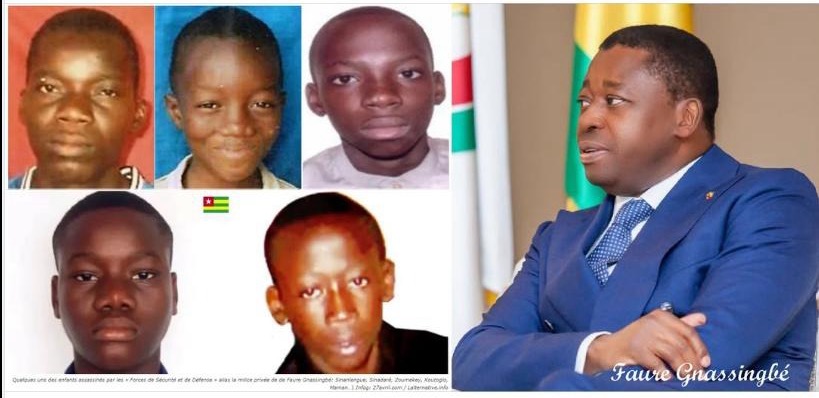
In Togo, the case of Marguerite Gnakadé has come to symbolize the deepening political divisions gripping the nation. A former Minister of Defense from 2020 to 2022, she became the first woman to hold this position. Yet today, she remains detained for 277 days following her vocal opposition to Faure Gnassingbé’s leadership and her public calls for a peaceful political transition.
Despite her familial ties to the Gnassingbé dynasty through marriage, Gnakadé repeatedly criticized the government’s policies. She argued that Faure Gnassingbé’s continued rule failed to address the aspirations of the Togolese people and advocated for a democratic change grounded in nonviolent means.
On September 17, 2025, security forces raided her residence in Lomé and took her into custody. Authorities have formally charged her with undermining state security and inciting rebellion, allegations her supporters dismiss as politically motivated.
An emblematic figure of dissent
Gnakadé’s detention has transcended her personal circumstances, becoming a focal point for broader concerns about governance and civil liberties in Togo. Human rights organizations and civil society groups have long decried the erosion of public freedoms and the systematic suppression of dissenting voices. Her arrest, in particular, has drawn attention to the precarious position of those who challenge the established order, even from within its ranks.
Her case carries added significance given her former role as an insider within the regime. After years of contributing to state affairs, she emerged as one of the most outspoken critics of Faure Gnassingbé’s administration. Observers interpret her imprisonment as a clear message: dissent, no matter how entrenched in the system, will not be tolerated.
Unanswered questions and mounting concerns
After nearly nine months in detention, critical questions persist. Why has a figure advocating for reform remained incarcerated for such an extended period? What are the boundaries of political expression in Togo? And most importantly, how inclusive is the country’s democratic space in an era where the Gnassingbé family has maintained power for nearly six decades—first under Gnassingbé Eyadéma, now under his son, Faure Gnassingbé?
Her supporters argue that her prolonged detention serves as a litmus test for Togo’s adherence to the rule of law. It also underscores the challenges faced by those who dare to propose an alternative political vision in a system where power has remained concentrated for generations.
As the legal process stalls and concerns about her well-being grow, the case of Marguerite Gnakadé continues to fuel debate about governance, justice, and the true extent of political pluralism in Togo.