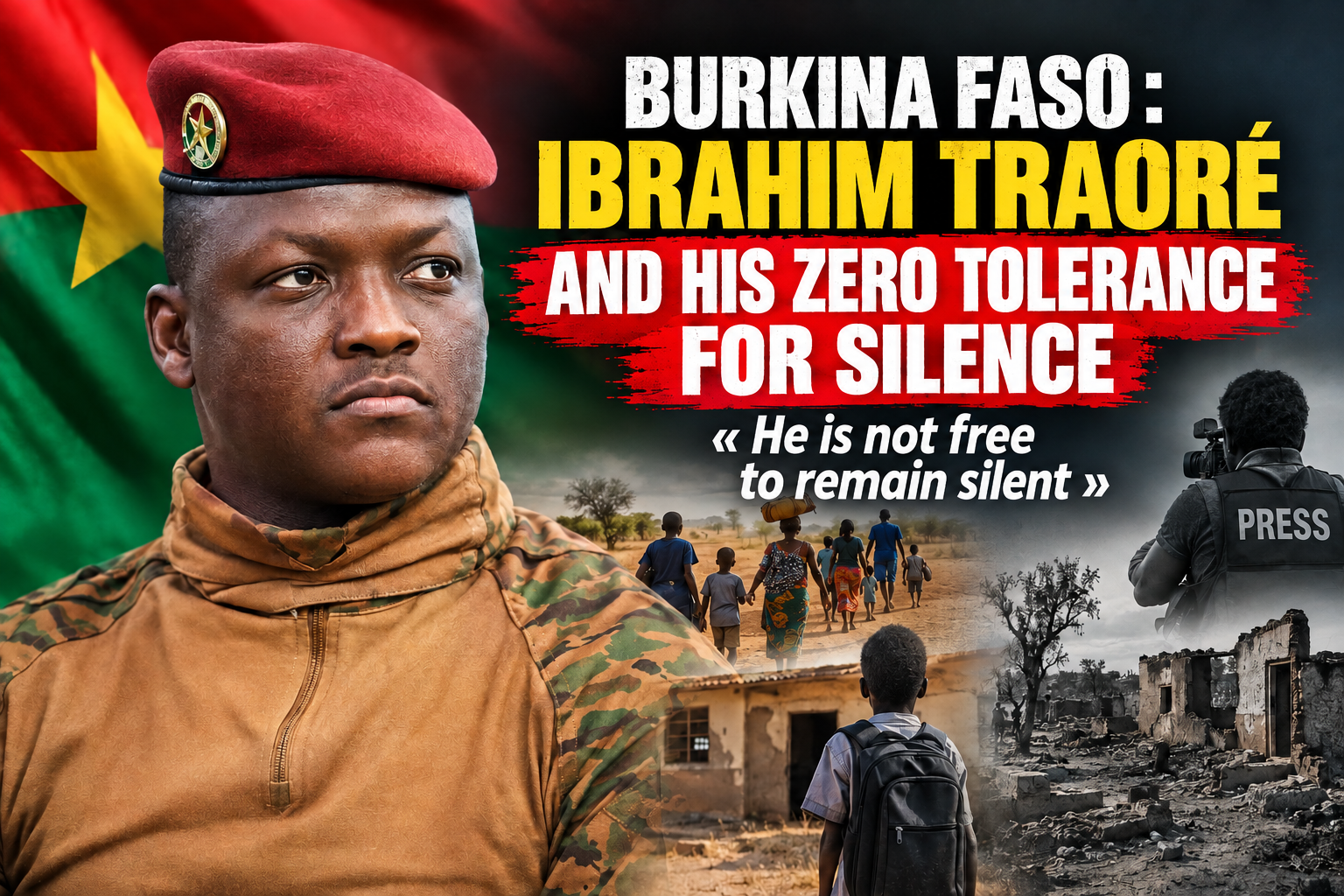
In a sweeping move to silence dissent, Burkina Faso’s military government has escalated its repression of civil society through restrictive laws, administrative pressures, and targeted punitive measures against both local and international organizations. The crackdown, condemned by global rights advocates, signals a dangerous narrowing of civic space in the West African nation.
massive dissolution of ngos amid restrictive laws
On April 15, 2026, Burkina Faso’s Minister of Territorial Administration and Decentralization announced the dissolution of 118 civil society organizations, many of which were actively involved in human rights advocacy. The government cited a 2025 association law as justification, yet offered no concrete evidence beyond vague claims of non-compliance. Among the dissolved groups were prominent entities like Action des Chrétiens contre la Torture (ACAT) and the Burkinabè Coalition for Women’s Rights (CBDF), both of which appeared to meet the law’s requirements—a process that allows organizations up to a year for compliance, a deadline that had not yet passed.
Human rights defenders warn that this measure is part of a broader pattern of repression that has intensified since the military seized power in September 2022. Independent media outlets, NGOs, and peaceful dissenters have faced suspension, bans, or expulsion under administrative pretexts, often in retaliation for criticism of the government’s policies, particularly regarding its human rights record and handling of the ongoing security crisis.
escalating restrictions and arbitrary detentions
The 2025 association law, marketed as a tool to regulate non-profits and combat money laundering and terrorism financing, has significantly expanded government control over civil society. It imposes heavy obligations that severely hinder humanitarian and development work. Foreign organizations, for instance, must appoint Burkinabè nationals to key leadership and financial roles, exposing them to personal risks. A September 2025 family code provision further exacerbates these concerns by allowing authorities to strip citizenship from individuals deemed to act against state interests, creating a risk of statelessness.
Since 2022, the military government has arbitrarily detained over 70 humanitarian workers, most of them Burkinabè nationals. In August 2025, authorities expelled the UN’s top representative in Burkina Faso, Carol Flore-Smereczniak, declaring her persona non grata following an UN report on child rights violations. In another case, eight staff members of the International NGO Safety Organization (INSO) were arrested in mid-2025 on charges of espionage and treason for allegedly sharing sensitive security data with foreign powers, only to be released in December 2025 without formal charges.
selective use of emergency decrees
The military junta has weaponized a 2023 general mobilization decree—originally intended to address the Islamist insurgency—to suppress political opposition, independent media, and civil society critics. Dozens of journalists, activists, and judicial personnel have been forcibly conscripted into the armed forces under this decree, which grants the president sweeping powers to restrict civil liberties in the name of national security.
Between July and October 2025, at least six journalists and three activists were released after illegal conscription, while others remain missing, including investigative journalist Serge Oulon, whose whereabouts remain unknown. The selective and disproportionate application of this decree has drawn sharp criticism from international observers, who argue it violates international human rights law.
civil society under siege
Civil society organizations play a critical role in safeguarding against abuse of power and amplifying the voices of marginalized communities. Yet, Burkina Faso’s military government has systematically dismantled this safeguard through dissolution orders, licensing suspensions, and arbitrary detentions. The 2025 association law, in particular, has been widely condemned for failing to meet international standards of necessity, proportionality, and non-discrimination.
“A vibrant and independent civil society is essential for holding authorities accountable and ensuring the protection of fundamental freedoms,” said Drissa Traoré, Secretary-General of the International Federation for Human Rights (FIDH). “The Burkinabè authorities must reverse this repressive trend and restore the rights and freedoms of all citizens.”
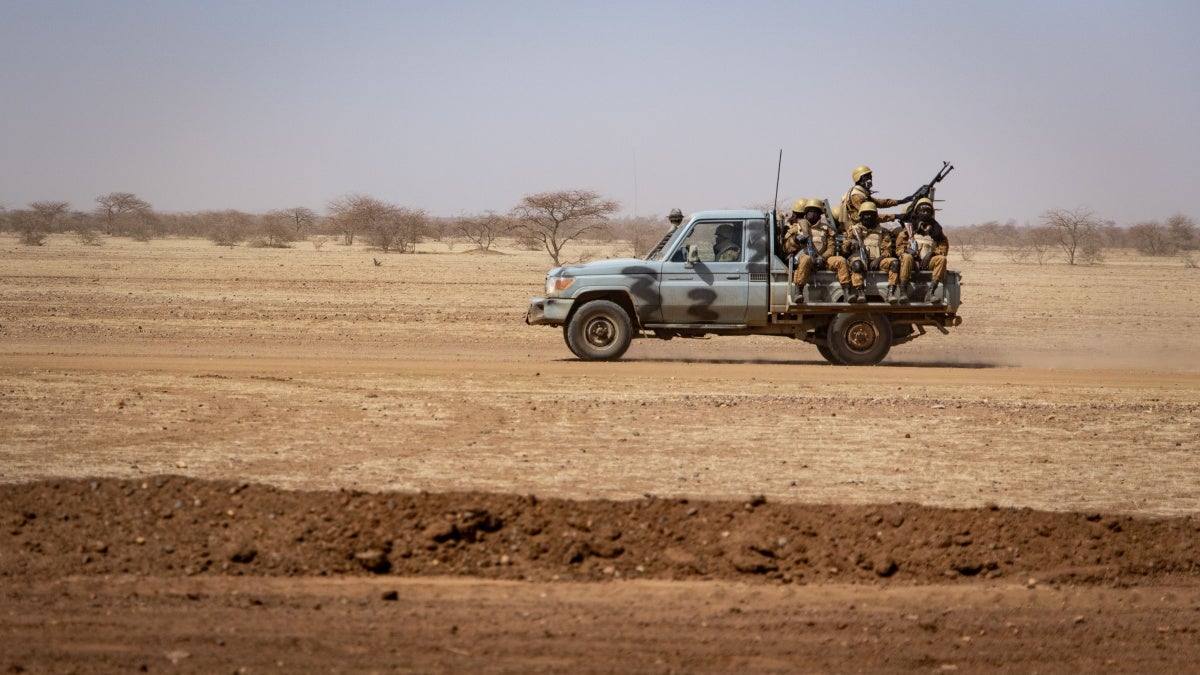
As Burkina Faso grapples with a decade-long Islamist insurgency linked to Al-Qaeda and the Islamic State, the military government’s crackdown on civil society not only deepens the crisis but also isolates the country from international support and cooperation.