The shifting sands of Burkina Faso’s political landscape
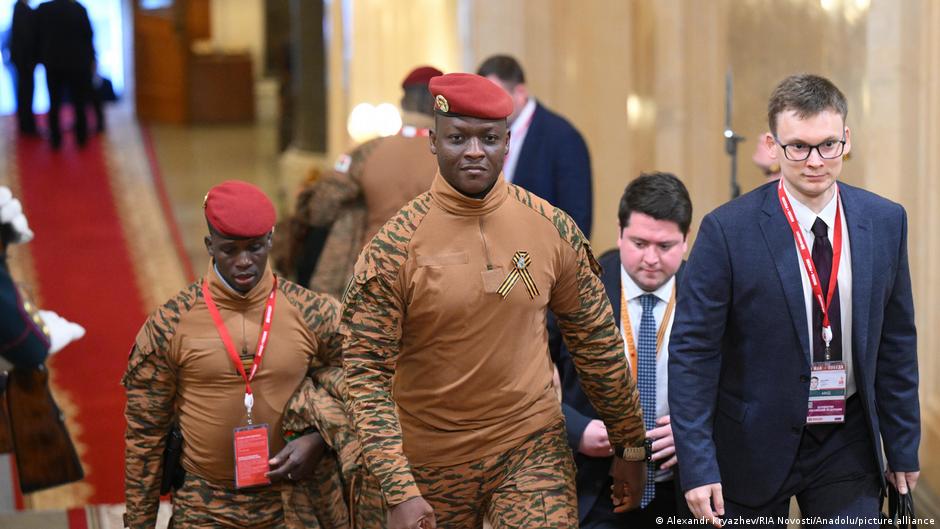
The rise of Captain Ibrahim Traoré to power in late September 2022 marked a turning point for Burkina Faso, but the captain’s commitment to a temporary leadership role has since faded into obscurity. Once promising a swift return to civilian governance, Traoré’s administration has instead entrenched itself through relentless repression, all while invoking the legacy of Burkina Faso’s revolutionary icon, Thomas Sankara.
In late March, a pivotal development reshaped the nation’s political trajectory: the unanimous adoption of the Revolution Progressiste et Populaire (RPP) Charter by the members of the Transitional Legislative Assembly (ALT). This document supersedes the 2024 Transitional Charter, signaling a formalized shift in governance under military leadership.
Human rights concerns amidst institutional change
Despite the constitutional and legislative overhaul, human rights organizations have raised urgent alarms. Amnesty International has called on Burkina Faso’s authorities to immediately reverse their decision to dissolve over a hundred associations, including prominent human rights groups. The move has drawn sharp criticism from both local and international observers.
These developments come at a critical juncture as Burkina Faso navigates its role within the Alliance of Sahel States (AES), established on September 16, 2023. The alliance, which includes neighboring nations facing similar security and governance challenges, represents a strategic realignment in the region’s political and military cooperation.
Voices from the debate
To delve deeper into these pressing issues, a roundtable discussion was convened under the Arbre à Palabres, a symbol of communal dialogue and reflection. The panel brought together prominent voices in African geopolitics and civil society:
- Teehl Loé Konaté, a leading project coordinator and analyst specializing in Pan-African dynamics and international relations. He also serves as the Secretary-General of Kamita, a civil society organization focused on cultural reflection, historical inquiry, and forward-looking African perspectives.
- Paul Amegakpo, President of the Tamberma Institute for Governance (ITG), bringing expertise in institutional reform and democratic governance.
- Mayra Djibrine, President of the Sahel Democrats Alliance, advocating for democratic resilience and regional cooperation.
The full discussion is available for listening. Engage with the debate to explore the complexities of Burkina Faso’s journey.