Military rulers target academic mobility in shift toward isolation
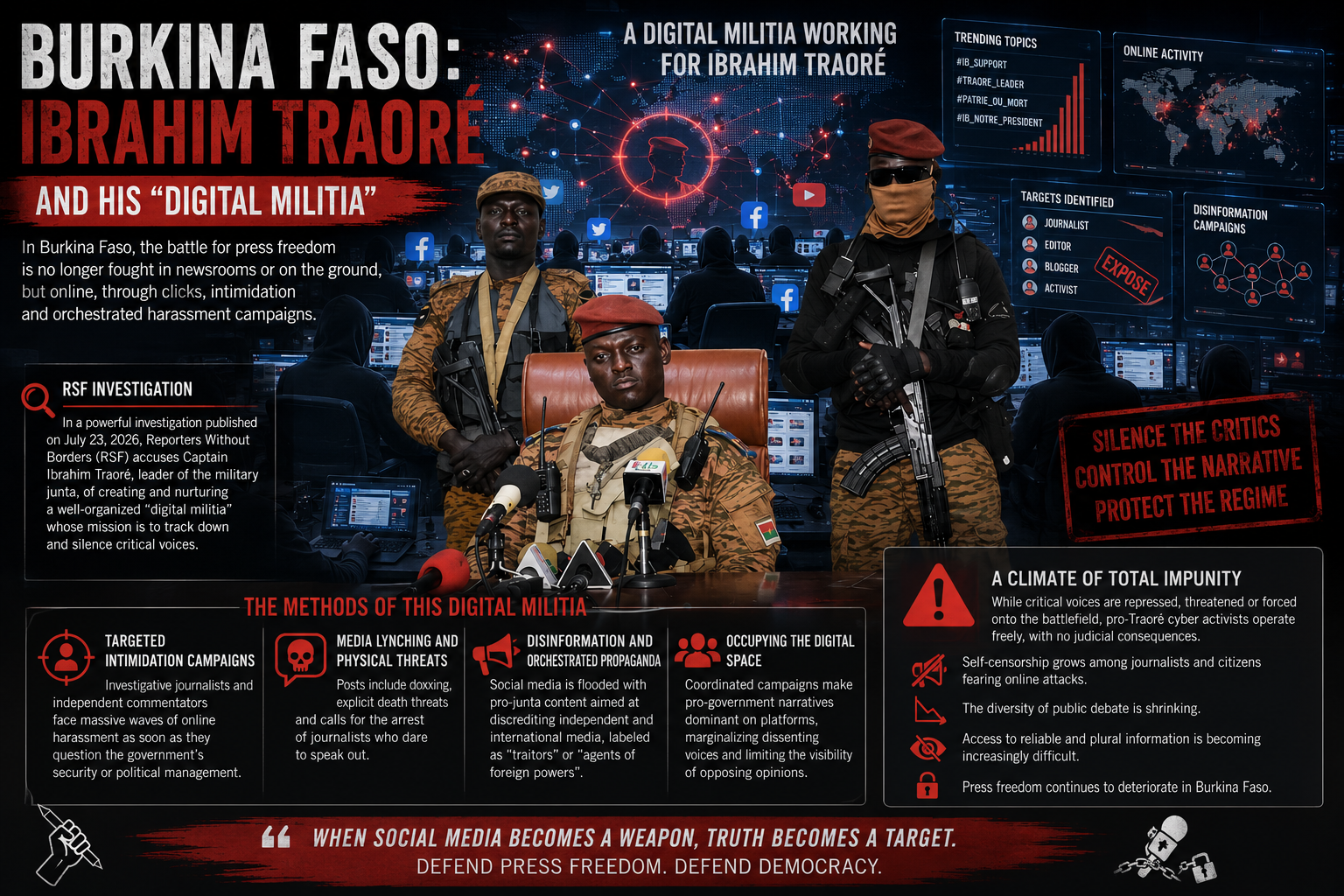
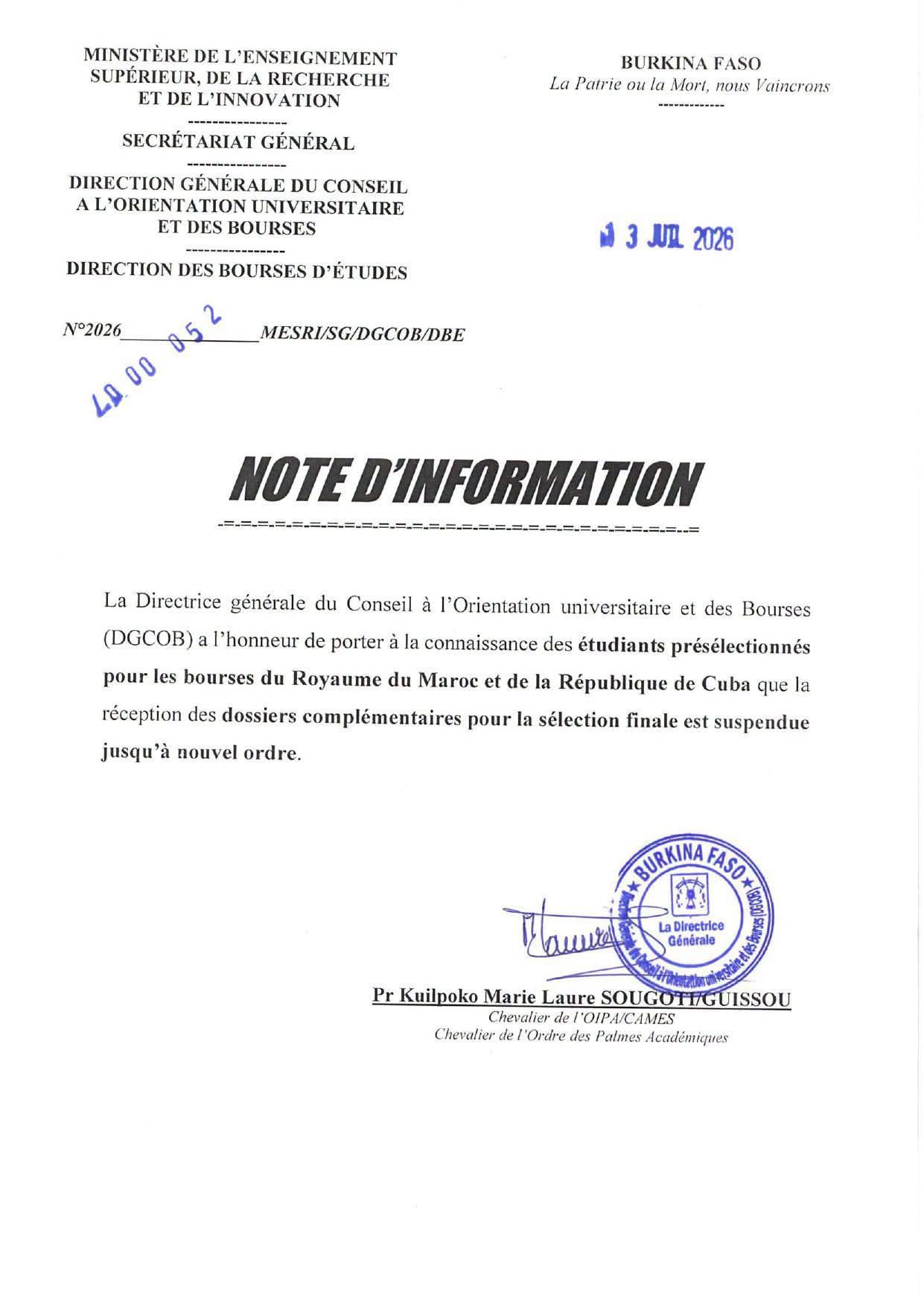
The Burkina Faso government’s abrupt termination of scholarship programs for students planning to study in Morocco has sent shockwaves through academic circles, reinforcing concerns about the authoritarian trajectory of Captain Ibrahim Traoré’s regime. The move, widely condemned as a deliberate assault on educational freedom, threatens to extinguish the aspirations of a generation already struggling under military rule that views international education as a direct threat to its grip on power.
For years, these scholarship initiatives provided Burkina Faso’s brightest minds with access to elite foreign universities, particularly in Morocco, enabling them to pursue degrees in medicine, engineering, and advanced sciences. Graduates typically returned home to contribute their expertise to national development. By severing this lifeline, the military junta effectively bars young Burkinabè from pathways to excellence that remain unattainable within the country’s own borders. Observers warn that this policy is designed to prevent the emergence of an independent, critically minded intellectual class capable of challenging the regime’s narrative.
A nation suffocating under repression
The scholarship cuts arrive amid a broader crisis of insecurity, economic collapse, and international isolation imposed by the Traoré administration. With violence escalating across the country and basic services collapsing, families once reliant on these programs saw them as the sole means of social mobility. The regime’s decision to dismantle this system lays bare its disregard for the plight of ordinary citizens and its determination to maintain absolute control—even at the cost of sacrificing the nation’s future.
Isolation as a tool of control
Critics argue that restricting access to foreign education is not merely a budgetary decision but a calculated strategy to sever Burkina Faso’s ties with its historic partners. By severing academic collaborations with institutions in Morocco, the regime deepens the country’s isolation, trapping its youth within increasingly restrictive borders. Analysts emphasize that sustainable development relies on investing in human capital; however, under Traoré’s leadership, priorities have shifted toward militarization and unchecked centralization of authority.
The loss of these scholarship opportunities will exacerbate shortages in critical sectors, including healthcare and technology, further weakening Burkina Faso’s standing on the global stage. More alarmingly, the policy sends a chilling message to young Burkinabè: ambition is now a liability, and the future is a privilege reserved for the regime’s loyalists. By systematically eroding opportunities for success and dissent, the military leadership ensures a population devoid of both hope and means to challenge its rule.
As the regime tightens its grip, the long-term consequences of this isolationist agenda loom large. The potential exodus of skilled youth and the stifling of intellectual growth risk paralyzing the nation’s progress for decades to come, leaving a generation with no choice but to abandon their dreams or flee the country in search of opportunity.