
Cameroon’s road network: 2,442 km paved amidst persistent development hurdles
Ongoing road initiatives, significant advancements, the structural network, and the various obstacles impeding the sector’s performance were key discussion points at a recent public conference in Yaoundé.
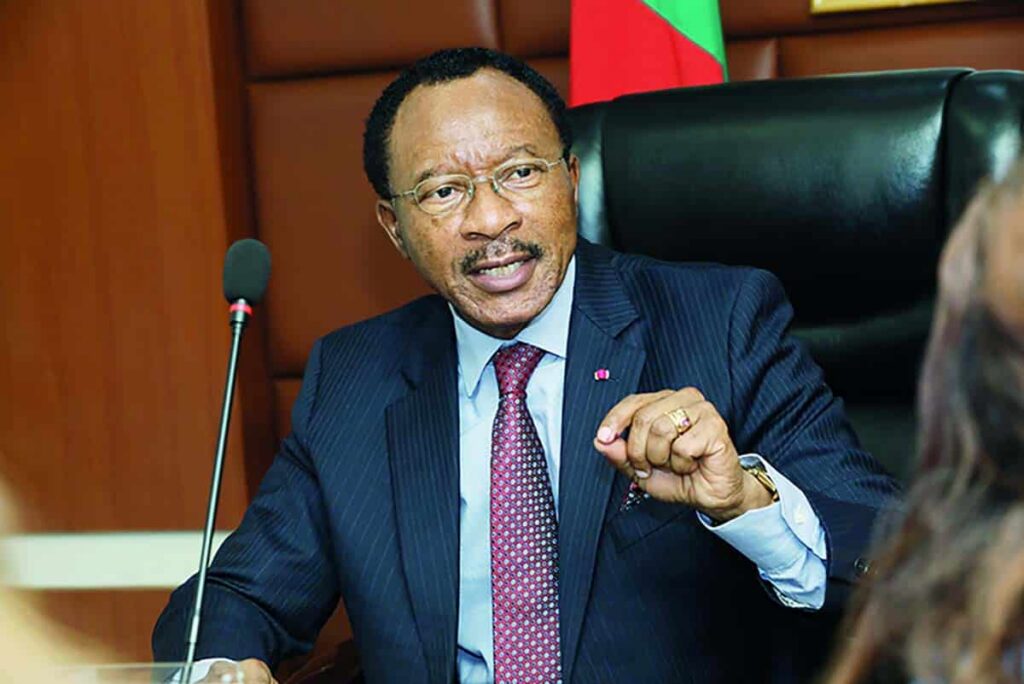
During a significant public conference on June 11, 2026, held at the Government Action Exhibition (SAGO 2026) in Yaoundé, Emmanuel Nganou Djoumessi, the Minister of Public Works (MINTP), provided a comprehensive update on the national road network. The highly anticipated event focused on strategies for enhancing Cameroon’s vital road infrastructure.
Addressing media professionals, road users, and exhibition attendees, the Minister detailed the mid-term progress of the National Development Strategy 2020-2030. He highlighted key achievements since the beginning of 2026 and openly discussed the various challenges hindering the execution of critical road projects. Minister Djoumessi emphasized the measures being implemented to ensure the long-term quality and connectivity of Cameroon’s road network, identifying the structural road system as the central focus of MINTP’s efforts.
The Ministry of Public Works reported that the Minister reiterated the crucial role of robust road infrastructure in fostering economic growth and strengthening territorial cohesion across Cameroon. He underscored that the initiatives undertaken by his department are instrumental in fulfilling the commitments made by President of the Republic, His Excellency Paul Biya, as part of the overarching National Development Strategy 2020-2030.
Presenting the mid-term assessment of this ambitious strategy, Minister Djoumessi revealed that significant strides have been made within the road sector’s objectives. Approximately 2,442 kilometers of roads have been paved, and about 833 kilometers of previously degraded roads have undergone rehabilitation. However, he acknowledged that certain delays persist, particularly in the crucial area of road maintenance.
Several key factors continue to impede progress and overall performance. These include security concerns in specific operational zones, the cumbersome nature of procedures for securing project financing, protracted delays in the awarding of contracts, financial liquidity issues faced by construction companies, and critically, the limited financial resources allocated for the ongoing maintenance of the extensive road network.
Despite these significant constraints, the Minister highlighted the notable advancements achieved over the past five years. The total length of paved roads in Cameroon has expanded substantially, increasing from 8,498 kilometers in 2020 to nearly 10,939 kilometers by the close of 2025. This represents an impressive average annual increase of over 488 kilometers of paved roads.
Looking ahead, Emmanuel Nganou Djoumessi affirmed that the actions initiated since early 2026 are directly aligned with the High Directives issued by the President of the Republic. A strong emphasis is placed on developing the structural road network, enhancing the overall quality of infrastructure, and significantly improving connectivity between various regions of Cameroon, bolstering the nation’s economic arteries and facilitating movement across the continent.




More Stories
Mamadi Doumbouya de retour à Conakry après sa visite d’État en Côte d’Ivoire
Elversberg vs Bayern Munich: where to watch the Bundesliga clash
Mali: près de 80 soldats tués dans l’attaque de Dioura