

Cameroon grapples with billions in unused development loans
In Cameroon, a staggering sum of borrowed funds remains unutilized, raising concerns about financial efficiency and economic progress. Despite securing substantial loans from international financial institutions, the country struggles to translate these resources into tangible development outcomes. The situation has sparked debates among policymakers and economists about the root causes and potential solutions.
Where do these dormant funds come from?
The bulk of these untapped resources originates from two major lenders: the World Bank and the African Development Bank. These institutions have historically provided Cameroon with financial support for critical sectors such as infrastructure, healthcare, and education. However, recent assessments reveal that a significant portion of these funds has not been disbursed or utilized as intended.
Key sectors affected by underutilized loans
Several vital sectors in Cameroon are grappling with the consequences of these unspent funds:
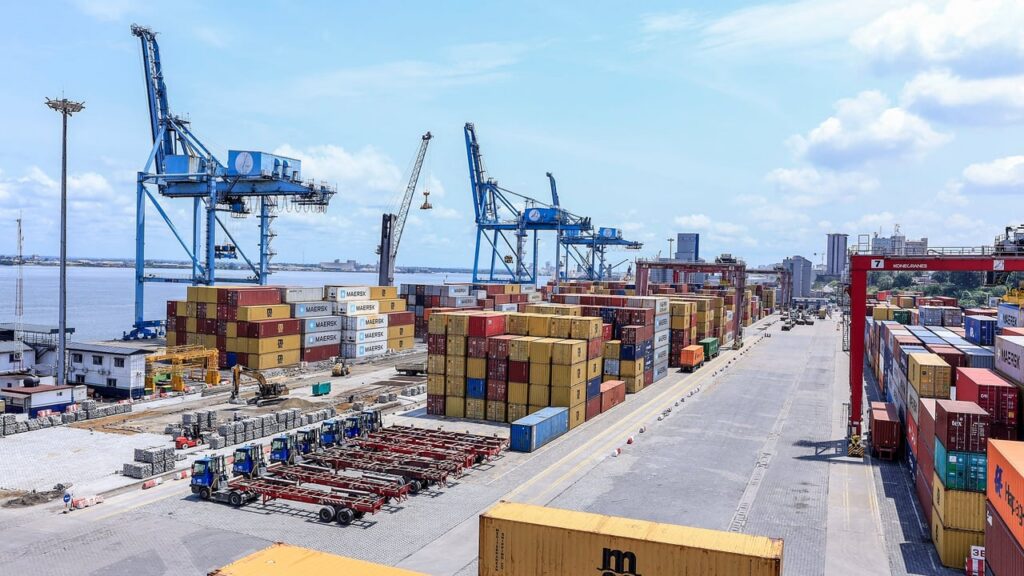
- Infrastructure development: Roads, bridges, and ports remain underdeveloped despite allocated budgets.
- Healthcare systems: Medical facilities and equipment are delayed, impacting public health services.
- Education initiatives: School construction and teacher training programs face funding shortfalls.
- Agricultural projects: Modernization efforts struggle to gain traction due to delayed disbursements.
Challenges hindering loan disbursement
Multiple factors contribute to the sluggish deployment of these funds:
- Bureaucratic hurdles: Lengthy approval processes and administrative delays slow down project initiation.
- Technical limitations: Insufficient local expertise and project management capabilities impede implementation.
- Corruption risks: Weak oversight mechanisms raise concerns about misappropriation or diversion of funds.
- Policy inconsistencies: Frequent changes in government priorities disrupt long-term planning.
Potential remedies and forward-looking strategies
Addressing this issue requires a multi-pronged approach:
Streamlining approval processes: Simplifying loan disbursement procedures could accelerate fund utilization without compromising accountability.
Capacity building: Investing in training programs for local officials and project managers could enhance implementation efficiency.
Strengthening oversight: Implementing robust monitoring systems would help track fund usage and mitigate corruption risks.
Public-private partnerships: Collaborating with private sector entities could inject additional expertise and resources into stalled projects.
Economic implications of inaction
The prolonged underutilization of these loans carries significant economic repercussions for Cameroon. Delayed infrastructure projects hinder trade and mobility, while stalled healthcare and education initiatives impede human capital development. Economists warn that persistent inefficiencies could erode investor confidence and slow down overall economic growth.
Looking ahead: A call for urgent action
As Cameroon continues to navigate its economic challenges, the need for decisive action has never been more pressing. Policymakers, financial institutions, and civil society must collaborate to unlock these dormant resources and ensure they contribute meaningfully to the nation’s progress. The time to act is now—before these billions in potential development funds slip further into obscurity.




More Stories
Is Chad truly heading towards political appeasement?
Bradley Barcola will adapt faster than Florian Wirtz at Liverpool, says Jermaine Pennant
Togo eyes nuclear power to secure future energy sovereignty