CENCO joins opposition in opposing fundamental law changes
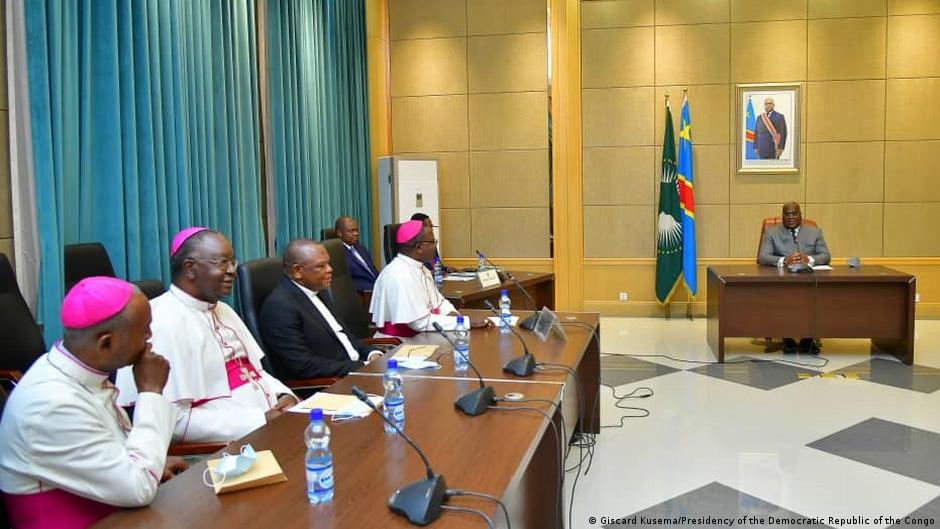
The movement against revising the national charter in the Democratic Republic of Congo has gained a powerful ally. The Catholic Church, through the National Episcopal Conference of Congo (CENCO), has formally voiced its opposition to altering the Constitution established on February 18, 2006.
Abbé Donatien Nshole, the Secretary General of CENCO, articulated that the government’s push for reform lacks necessity, urgency, and appropriateness in the current climate. The Church is calling upon its clergy and pastoral agents to spread this message and heighten the awareness of the faithful.
“We urge our members and all people of goodwill to stand firm against any manipulations intended to modify the Constitution,” Nshole stated, adding that the Church maintains the right to announce further organized actions when the time is right.
Concerns over national stability
The bishops aim to exert influence on the political landscape, warning that such initiatives could further destabilize a nation already grappling with violence in the East and mounting social pressures. In the capital, Kinshasa, the public response is varied.
Some citizens believe the focus is too narrow. “Many people only think about the President potentially seeking another term, but we should consider the general interest and what is being done for the people,” one young woman noted. Conversely, another resident questioned the timing: “The country is in a state of siege and war in the East. How can we discuss changing the Constitution under these conditions?”
Others argue for modernization, with one young man suggesting that the Constitution must evolve to ensure the RDC remains a competitive and sovereign state on the international stage, capable of forming effective treaties.
The influence of the Catholic Church
While CENCO lacks the legal authority to stop legislation, its social and diplomatic reach is immense. Political analyst Christian Moleka observes that the Catholic Church’s ability to mobilize nationwide sets it apart from other religious groups, like the revivalist churches.
“The Catholic Church has a unique diplomatic lever,” Moleka explained. “Their voice resonates not just in the streets of Kinshasa but also within the international community, bringing global attention to these domestic issues.”
As tensions rise, the political opposition has scheduled a major protest for July 8, calling for the resignation of President Félix Tshisekedi. In response, the leadership of the ruling UDPS party has accused opponents of attempting to incite a violent public uprising.