
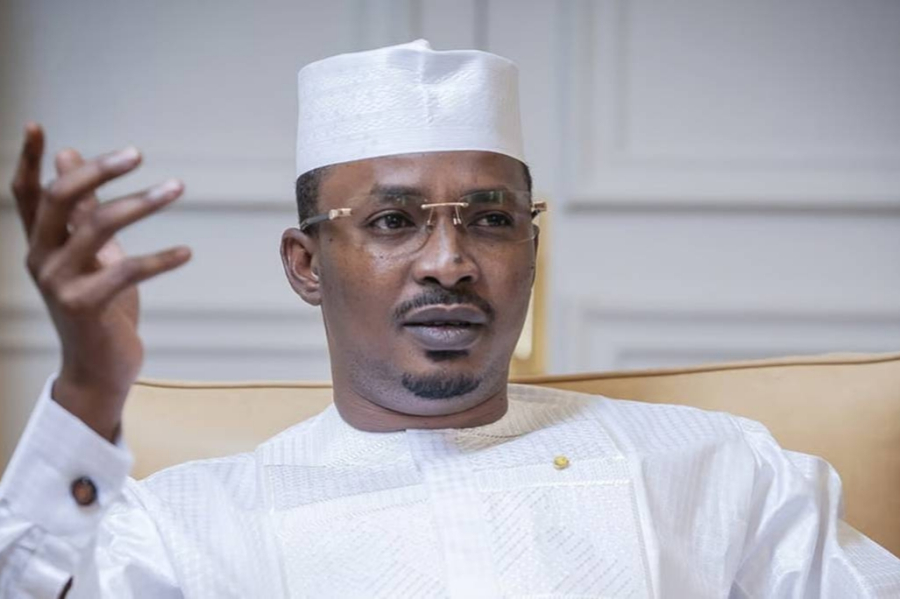
The Government of Chad has formally declared its withdrawal from the Rome Statute of the International Criminal Court (ICC). In an official statement released on July 27, 2026, N’Djamena cited the court’s “undeniable selectivity” as the primary reason, accusing the ICC of disproportionately targeting African nations.
On the same date, Chad’s Ministry of Foreign Affairs, African Integration, and Chadians Abroad submitted a sovereign notification to the United Nations Secretary-General—the designated depository of the Rome Statute—confirming its decision to exit the ICC under Article 127 of the treaty.
The ministry explained that this move followed a thorough review of the ICC’s performance since its establishment in 2002. It concluded that the court’s “effectiveness has remained limited and inconsistent with its founding principles.”
Chad’s stance is supported by recent ICC statistics, as of May 11, 2026, which reveal that out of 125 States Parties to the Rome Statute, 33 are African. Since its inception, the court has initiated 13 investigations—most of which involve African countries.
The statement highlights that “nine of the active investigations pertain to African nations, compared to just four in other regions, with minimal progress.” It also notes that of the seven individuals currently detained by the ICC, “six face prosecution in African cases, while only one is held in connection with a non-African situation.”
Chadian authorities argue that these disparities “reinforce the widespread perception of a systemic bias within the ICC, favoring the Global North over African states.” They condemn what they describe as the court’s “political manipulation,” urging instead for stronger continental judicial mechanisms.
In response, the Government of Chad is calling on the African Union to bolster judicial systems across the continent, advocating for a “fairer, more balanced, and credible African justice system” that upholds state sovereignty. Despite this decision, N’Djamena reaffirms its unwavering commitment to combating impunity for grave crimes, asserting that African judicial bodies now possess the capacity to handle such cases independently.




More Stories
Is Chad truly heading towards political appeasement?
Bradley Barcola will adapt faster than Florian Wirtz at Liverpool, says Jermaine Pennant
Togo eyes nuclear power to secure future energy sovereignty