Cholera outbreak in Burkina Faso: health authorities sound the alarm
Burkina Faso has officially declared a cholera outbreak following the confirmation of the first case in the eastern region.
First confirmed case triggers emergency response
The Ministry of Health reported that a 25-year-old man from the Boudiéri market area in Kantchari presented severe symptoms including profuse watery diarrhea, uncontrollable vomiting, and signs of dehydration. Laboratory analysis confirmed the presence of Vibrio cholerae O1 Ogawa serotype, triggering immediate containment measures.
A second case was reported on July 5th in the same locality, with symptoms developing rapidly, according to official statements. Both patients have been isolated and contact tracing is underway.
How cholera spreads and who is at risk
Cholera is a strictly human disease transmitted through:
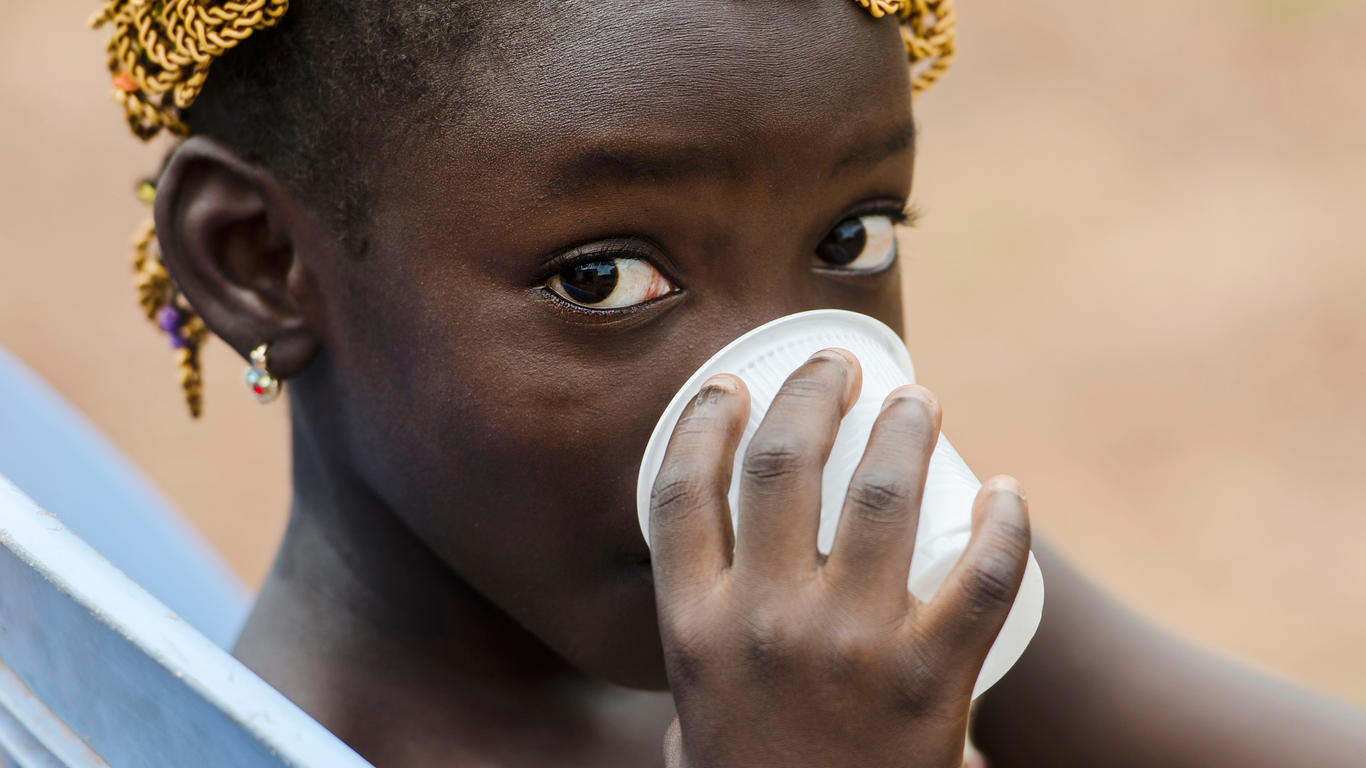
- Drinking contaminated water
- Eating food washed with contaminated water
- Poor hygiene practices
High-risk groups include:
- Young children
- Elderly individuals
- People with weakened immune systems
Historical data shows Burkina Faso has faced multiple cholera outbreaks in the past, with significant mortality rates in 1971 (501 deaths), 1973 (241 deaths), and 1974 (66 deaths). Major epidemics were also recorded in 1991, 1995, 1998, 2001, and 2005.
Government action and preventive measures
Health authorities have activated the national cholera response protocol, which includes:
- Immediate patient isolation
- Comprehensive contact tracing
- Enhanced sanitation measures
- Public awareness campaigns
- Distribution of oral rehydration salts
Residents are advised to:
- Drink only boiled or bottled water
- Wash hands frequently with soap
- Avoid raw or undercooked foods
- Use disinfectants for food preparation
- Report any suspected cases immediately