The Sahel’s contraceptive push: when healthcare collides with conflict
In Niger’s Tillabéri region, where the Liptako-Gourma area remains a hotspot of insurgent activity, ambitious contraceptive initiatives are unfolding against a backdrop of war. While Niamey highlights these programs as transformative for women’s empowerment, local realities tell a far darker story—one where humanitarian aid risks becoming a life-threatening gamble for vulnerable populations.
When hunger meets hormonal risks
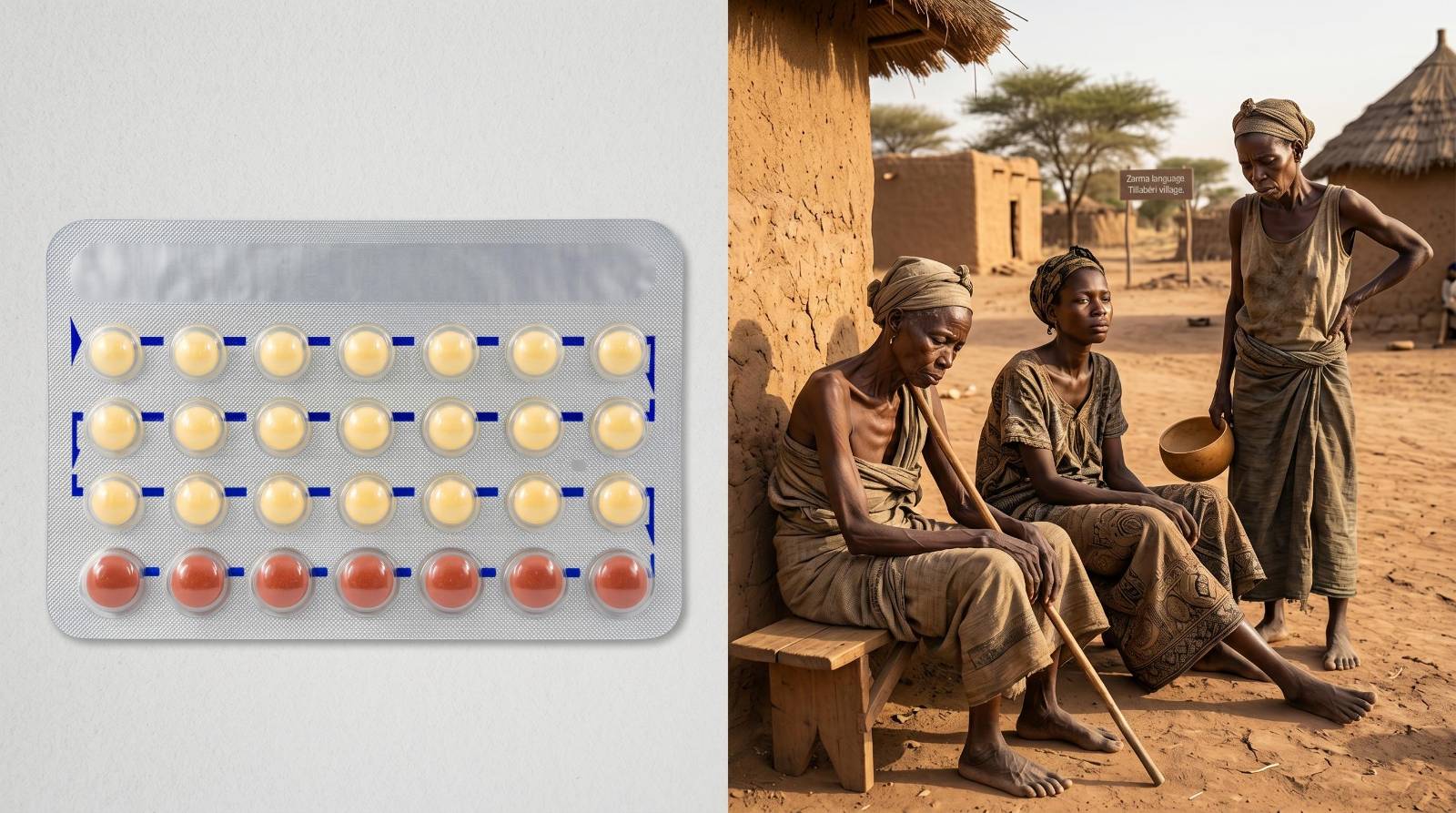
One of the most overlooked dangers of mass contraceptive promotion in crisis zones stems from the severe nutritional deficits gripping the region. With supply chains shattered and farmlands abandoned, women in Tillabéri suffer from extreme malnutrition. Introducing hormonal contraceptives into bodies weakened by starvation and chronic stress without stringent medical oversight can backfire catastrophically—triggering complications, aggravating underlying illnesses, or even accelerating physical decline in those least equipped to cope.
A cultural clash disguised as progress
In an environment where armed factions enforce rigid social codes, contraceptive programs targeting married adolescents are sparking tensions. These initiatives, framed as tools for women’s well-being, are seen by some militant groups as an ideological assault on local traditions. Families adhering to such programs become targets, accused of embracing foreign influences. What began as a health intervention now carries the weight of a security threat—women and their choices are weaponized in a struggle that extends beyond medicine.
The illusion of care in the ‘Triangle of Death’
Officials tout the success of home visits and outreach, yet the harsh truth remains: accessing follow-up care in Tillabéri’s most volatile zones is nearly impossible. Roads mined by improvised explosives, militant roadblocks, and the ever-present specter of violence mean that a contraceptive-related complication—whether bleeding, severe side effects, or infection—can quickly escalate into a death sentence. The promise of choice collapses under the weight of war.
Ultimately, these programs, celebrated in distant reports, falter in the face of ground-level chaos. In the Sahel, where hunger and terror are constant companions, health interventions cannot exist in a vacuum. Forcing societal change through healthcare in a warzone risks doing more harm than good—turning a well-intentioned solution into yet another hazard for those already fighting for survival.