The Benin has become the latest African nation to experience a military takeover attempt, joining a growing list of countries in West and Central Africa where constitutional order has been disrupted since 2020. The unsettling event unfolded over several hours on a Sunday, as soldiers stormed state television to declare their seizure of power, ousting President Patrice Talon and dissolving the government.
However, the crisis was short-lived. Within hours, Benin‘s Interior Minister, Alassane Seidou, confirmed in a widely shared online statement that the attempted coup had been thwarted. The soldiers involved were accused of launching a rebellion with the intent to destabilize the nation, but the military leadership swiftly reaffirmed its commitment to the Republic and democratic principles.
This incident underscores a troubling trend across the continent. Over the past five years, a series of military overthrows has reshaped the political landscape of Africa, driven by contested elections, constitutional manipulations, escalating security threats, and widespread public discontent—particularly among the youth. Below is a detailed overview of recent coups d’état on the continent:
Mali: August 2020 and May 2021
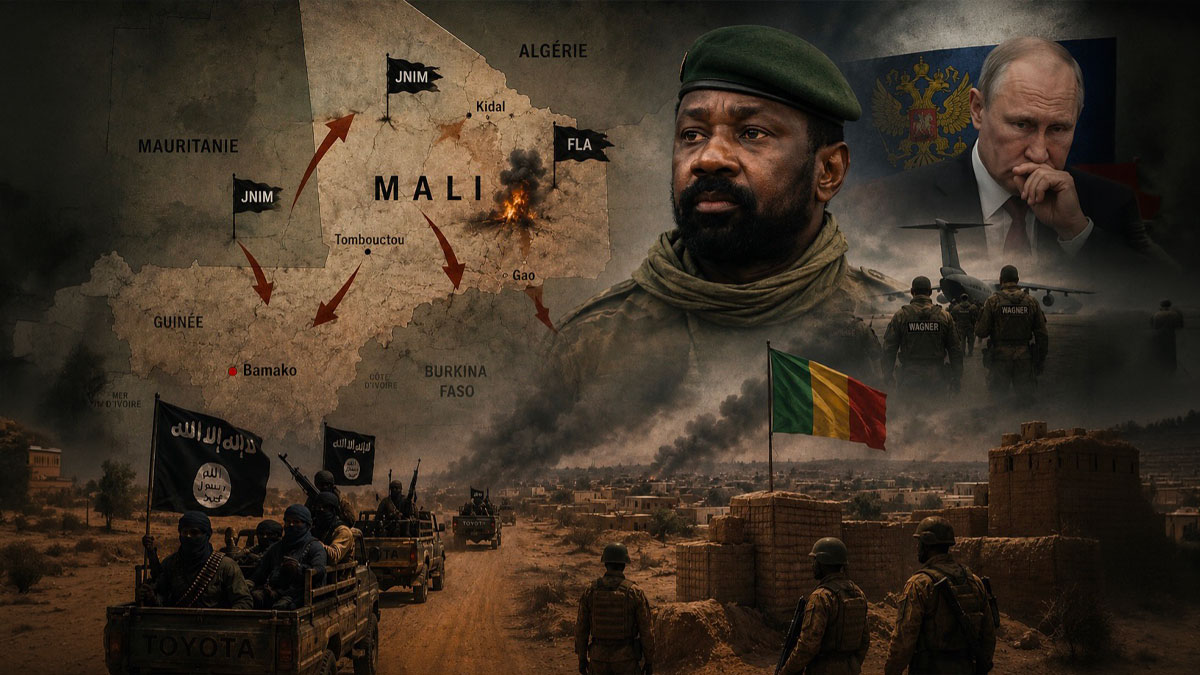
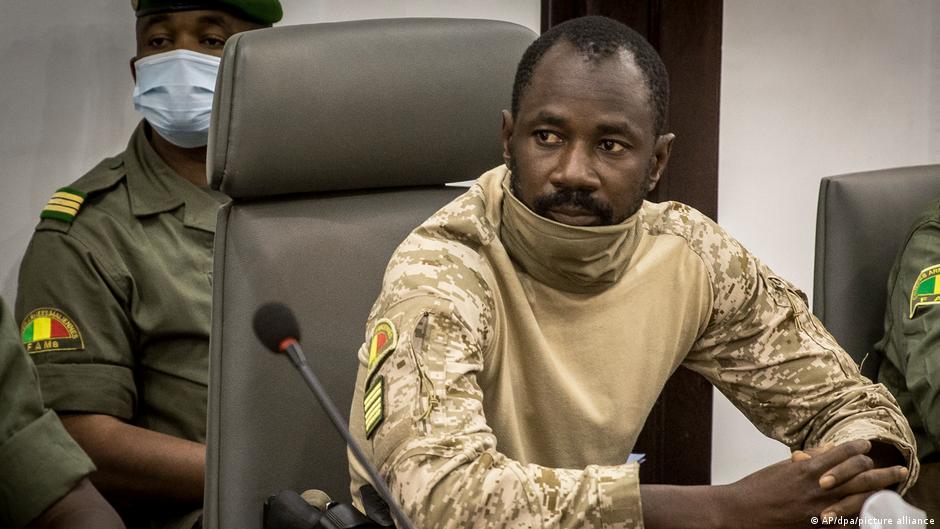
The Mali has experienced two successful military takeovers in quick succession. In August 2020, disgruntled soldiers mutinied near Bamako, detaining senior officials and forcing the resignation of President Ibrahim Keïta amid accusations of corruption and failure to combat armed insurgencies. The coup was followed by a fragile transition led by interim President Bah Ndaw and Vice President Assimi Goïta.
However, in May 2021, Goïta staged another coup, removing Ndaw and declaring himself interim leader. He has since delayed elections until 2027, deepening the crisis in a nation already struggling with jihadist violence. Mali, along with the Burkina Faso and Niger, has formed an alliance of military-led states that have left the regional bloc ECOWAS, rejecting demands for a swift return to civilian rule.
Chad: April 2021
Following the death of long-time leader Idriss Déby in April 2021, his son, General Mahamat Idriss Déby, immediately assumed power, continuing a decades-long family rule. In 2024, he organized a presidential election he had promised upon seizing control. Despite winning the vote, opposition groups condemned the process as rigged. Since then, Déby has intensified crackdowns on dissent. Earlier in 2025, former Prime Minister Succès Masra, a prominent opposition figure, was sentenced to 20 years in prison.
Guinea: September 2021
After 11 years in office, President Alpha Condé was overthrown by a military faction led by Mamady Doumbouya. Condé had controversially amended the constitution in 2020 to allow a third term. Doumbouya, now a civilian candidate, is running in the upcoming December elections. The junta has extended presidential terms from five to seven years and paved the way for military leaders to run for office.
Sudan: October 2021
The Sudanese military, under General Abdel-Fattah Burhan, orchestrated a coup in October 2021, removing President Omar al-Bashir, who had ruled for 26 years. Burhan later formed a power-sharing agreement with Mohamed Hamdan Dagalo, known as Hemetti, leader of the Rapid Support Forces (RSF).
Tensions between Burhan and Hemetti escalated into full-scale war by April 2023, triggering one of the world’s deadliest conflicts, according to the United Nations. The war continues with devastating humanitarian consequences.
Burkina Faso: January and September 2022
The Burkina Faso has faced two back-to-back coups. In January 2022, Lieutenant Colonel Paul-Henri Damiba deposed President Roch Kaboré, citing deteriorating security. By September of the same year, Captain Ibrahim Traoré, leader of an artillery unit, overthrew Damiba on similar grounds. Traoré has since led the country and, in July 2025, dissolved the independent electoral commission.
Niger: July 2023
General Abdourahamane Tchiani seized power in July 2023, removing democratically elected President Mohamed Bazoum. This move triggered a severe crisis in West Africa, prompting ECOWAS to threaten military intervention. The bloc demanded Bazoum’s reinstatement and a return to constitutional order. In response, Niger aligned with Burkina Faso and Mali to form the Alliance of Sahel States, positioning itself in opposition to regional democratic norms.
Gabon: August 2023
Just days after President Ali Bongo—in power for 14 years—was declared winner of a disputed 2023 election, a group of soldiers announced on national television that they had taken control. They nullified the election and dissolved all state institutions. Brice Oligui Nguema, a cousin of Bongo, assumed leadership and was later elected president in April 2025.
Madagascar: October 2025
Frustration over chronic water shortages and power cuts led to mass protests in Madagascar, with youth demanding the resignation of President Andry Rajoelina. Instead of stepping down, Rajoelina dissolved his government but resisted calls for his departure. The standoff culminated in a military takeover in the Indian Ocean nation.
Guinea-Bissau: November 2025
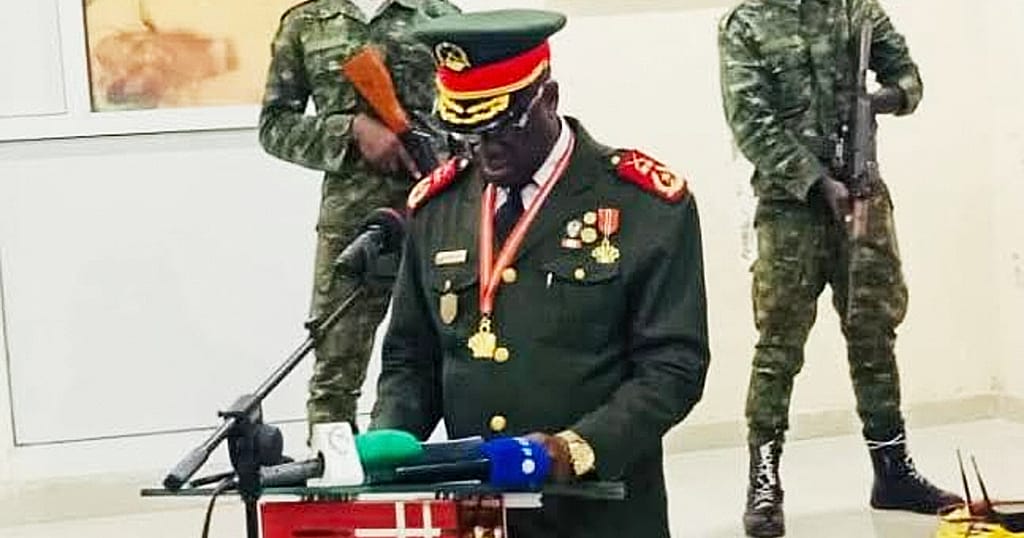
On November 26, soldiers in Guinea-Bissau staged a coup days after a highly contested presidential election. Critics, including opposition leaders, alleged the move was a preemptive strike to prevent the incumbent’s defeat. President Umaro Sissoco Embaló and opposition candidate Fernando Dias both claimed victory in the November 23 vote.
Embaló fled to neighboring Senegal after being freed by the new junta. The military leadership has since appointed officials, many aligned with the deposed president, consolidating control amid ongoing political turmoil.
Benin: December 2025
Less than two weeks after the coup in Guinea-Bissau, soldiers in Benin launched a similar power grab following gunfire near the presidential palace. A group calling itself the Military Committee for Refoundation appeared on state TV, declaring President Patrice Talon deposed and dissolving state institutions. Lieutenant Colonel Pascal Tigri was named leader of the military committee.
Within hours, government officials announced the coup had been thwarted, and the armed forces reaffirmed their allegiance to the Republic, restoring constitutional order.