Russia’s Africa Corps: A New Military Strategy Unfolding in Africa
The emergence of Russia’s Africa Corps marks a pivotal shift in military engagement across the African continent, raising critical questions about sovereignty and geopolitical alliances.
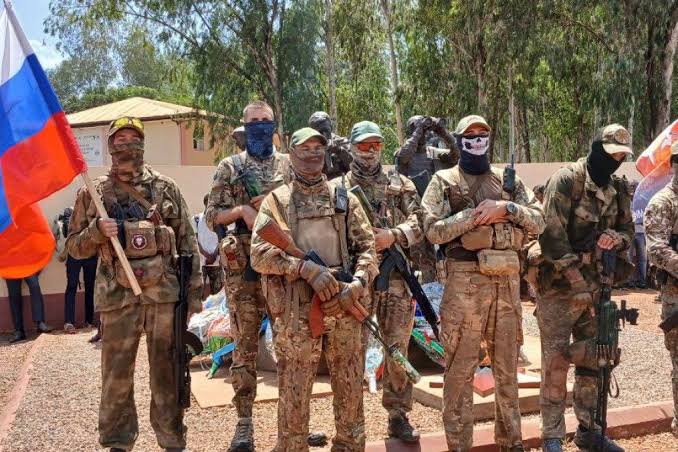
Across Africa’s vast and complex landscape, where historical colonial borders remain contested, a new military player is staking its claim. The once-shadowy Wagner Group has evolved into what experts now term the Africa Corps—a strategic rebranding that signals Moscow’s ambition to recalibrate its global standing through African engagements. This calculated move comes at a time when African nations are actively seeking alternative partnerships beyond traditional Western allies.
Recent political upheavals in Mali and Burkina Faso have underscored this continental realignment. These nations, grappling with internal instability and seeking stronger sovereignty, view Russia not as a replacement for colonial ties but as a pragmatic partner. Economic and military cooperation between Moscow and these governments has intensified, with resource-rich agreements forming the backbone of these alliances.
The Wagner Group’s controversial footprint in conflicts across Libya and the Central African Republic had already drawn international scrutiny over human rights violations and legal ambiguities. The Africa Corps appears designed to formalize these operations under a more structured guise while maintaining plausible deniability—a tactic Moscow has mastered in its global engagements.
Military reach into the Sahel
The Sahel region has emerged as the epicenter of Russia’s African military strategy. Plagued by chronic instability and the relentless threat of Islamist insurgencies, this vast territory presents fertile ground for foreign interventions masquerading as security assistance. Military analysts estimate that nearly 70% of Africa Corps personnel are veterans from Wagner or similar private military entities, now operating under a new institutional framework.
The timing of Russia’s Sahel deployment coincides with France’s phased withdrawal from the region following the Barkhane operation. While Moscow denies direct state involvement, observers note a striking alignment between the Africa Corps’ presence and Kremlin interests—particularly in securing access to critical natural resources.
Beneath the military façade lies a calculated economic strategy. Agreements between Russia and African governments often include favorable terms for Russian firms in mining and energy sectors. These arrangements serve two purposes: financing military operations while ensuring long-term economic footholds across the continent.
This approach mirrors Cold War-era tactics where ideological alliances were leveraged to expand influence. Today, however, the driving force is economic pragmatism coupled with a perceived need to counterbalance Western dominance in Africa. The Africa Corps thus represents more than a military tool—it is a geopolitical chess piece in Moscow’s broader strategy to reshape global power dynamics.
Discussion
- No comments yet. Be the first.
Africa in your inbox, every morning
Our editors’ picks of what matters. Monday to Friday.