Donald Trump’s strategic focus on Cameroon: reshaping US-Africa relations
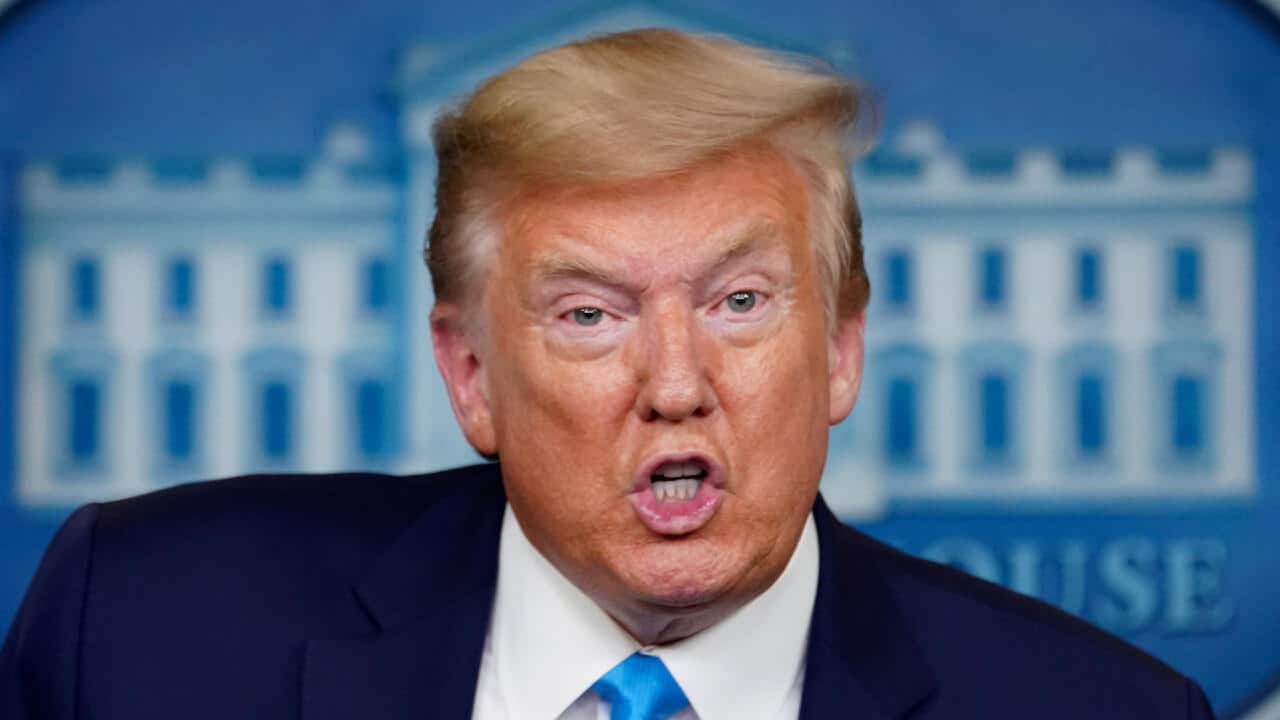
Since his initial term, Donald Trump has fundamentally reshaped United States policy, aiming to counteract China, which he views as the primary challenger to American global leadership.
The Trump administration has elevated reducing reliance on Chinese rare earths to an absolute strategic imperative. This ambitious initiative, central to US economic and national security, heavily leverages the firm GreenMet.
Founded by its Chief Executive Officer, Drew Horn, he was recently in Yaoundé for discussions that largely flew under the radar. Mr. Horn previously served as a senior national security official within the Trump administration, holding a key advisory role to the Director of National Intelligence. He represents the public face of a broader American program, whose key partners include trusted former associates of Donald Trump, such as Georges Sorial, his former legal counsel, and Keith Schiller, the former Director of Security for the Trump Organization.
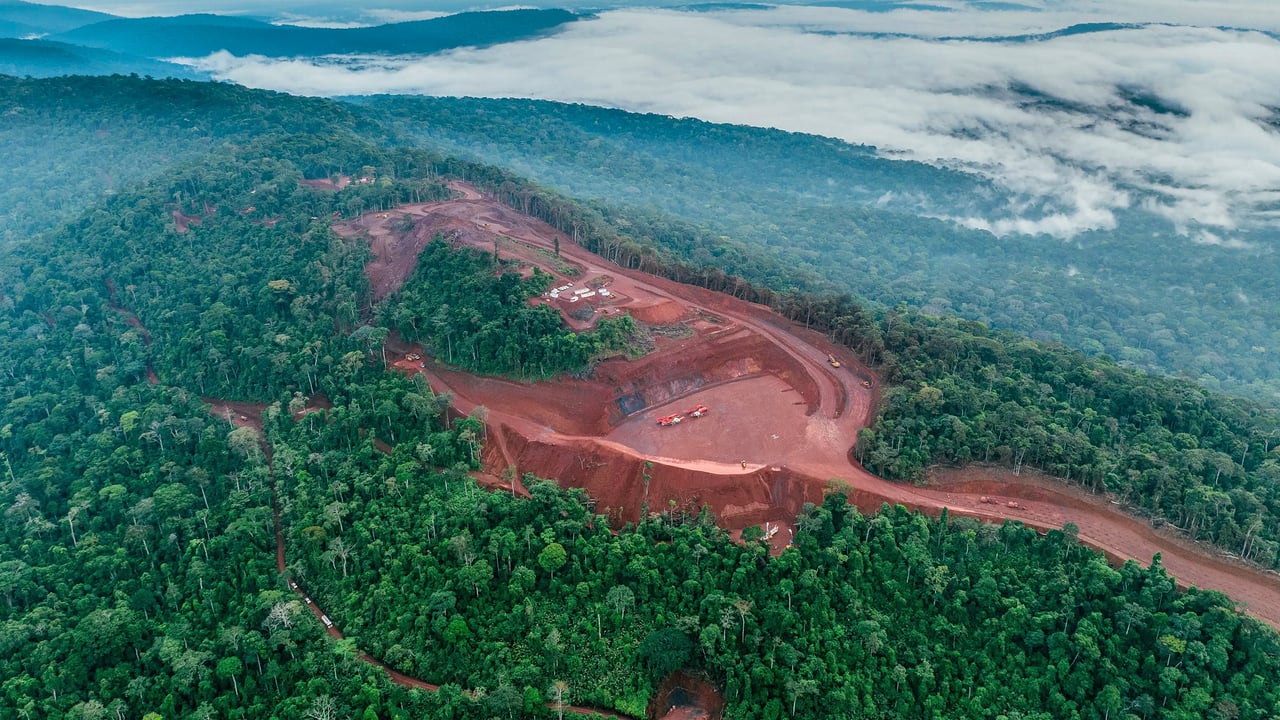
At the core of this evolving US strategy, spearheaded by Drew Horn and GreenMet, a high-level American delegation visited Cameroon to formalize Memoranda of Understanding (MoUs). While the specifics of these agreements remain undisclosed by the American group, it is understood that American Renaissance Minerals (ARM), a direct affiliate of GreenMet, has secured a leading position in Cameroon’s significant Nkamouna nickel and cobalt project. Furthermore, Washington’s strategic sights are also firmly set on the region’s rare earth deposits.
Donald Trump’s commitment to his vision for Cameroon is evident in his decision to bypass the US Congressional restriction that had excluded Cameroon from the African Growth and Opportunity Act (AGOA). The former American President now relies on the American Chamber of Commerce in Cameroon (AmCham) to facilitate crucial trade agreements.
In stark contrast to China’s presence in the Democratic Republic of Congo for strategic minerals, the United States, aiming to invest in local processing to diminish its carbon footprint, has made its support to the Cameroonian government contingent upon transparency in both the extractive and legal sectors. This approach highlights a key difference in US-Africa engagement regarding vital resources.
American intelligence agencies reportedly stepped in following disclosures by the Extractive Industries Transparency Initiative (ITIE) concerning illicit gold trafficking. Consequently, Washington is now collaborating with Yaoundé to identify and expose those involved in this illicit exploitation.
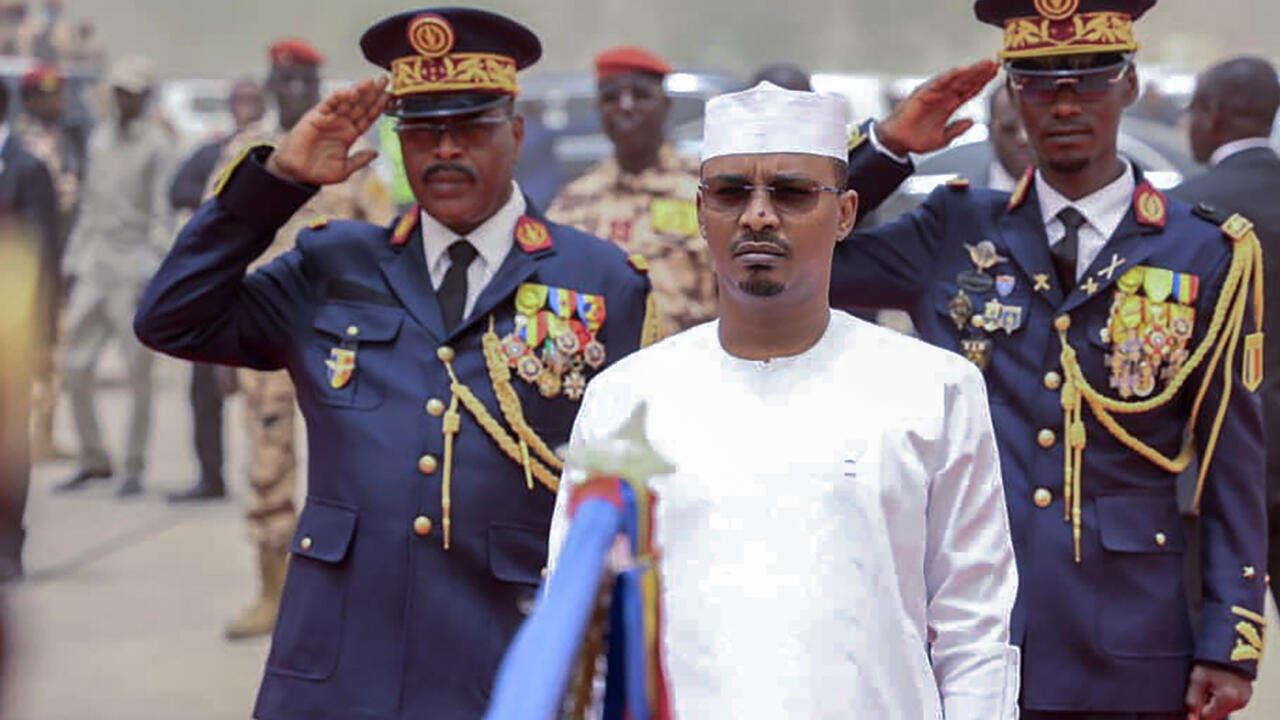
The United States’ engagement extends beyond these initiatives. American diplomacy has significantly reduced the number of African nations authorized to issue US visas, narrowing the list from 50 to just 20, with Cameroon notably among them. On the security front, President Paul Biya hosted two high-profile visits in Yaoundé within eight months: General Dagvin Anderson, then AFRICOM commander, in September 2025, followed by Lieutenant-General John William Brennan Jr., AFRICOM’s deputy commander, in May 2026. This underscores deepening security cooperation in African politics.
Improving the business environment remains a paramount objective for Washington. Christopher Lamora articulated this vision earlier this year following a private meeting with President Paul Biya, stating: “I genuinely wish to see more American enterprises investing in Cameroon, fostering commercial ties, and forging partnerships, including joint ventures between American and Cameroonian firms. This offers mutual benefits: it generates employment in the United States, bolsters American industry – a key priority for President Trump – and simultaneously invigorates the Cameroonian economy.” This reflects a broader African economy news trend.
Washington is determined to meet the challenge posed by China, which has invested over $700 billion across 49 African nations. This competitive stance is a significant aspect of current Africa news and pan-African journalism discussions.
Some analysts observing Trump’s political strategy interpret his approach as an ambition to transform key target nations, including Cameroon, Nigeria, and Kenya, mirroring the economic success stories of the “Asian Dragons” (South Korea, Taiwan, Hong Kong, Singapore) from a previous era. This perspective offers a unique angle for Panafrican Press and African politics English analysis.