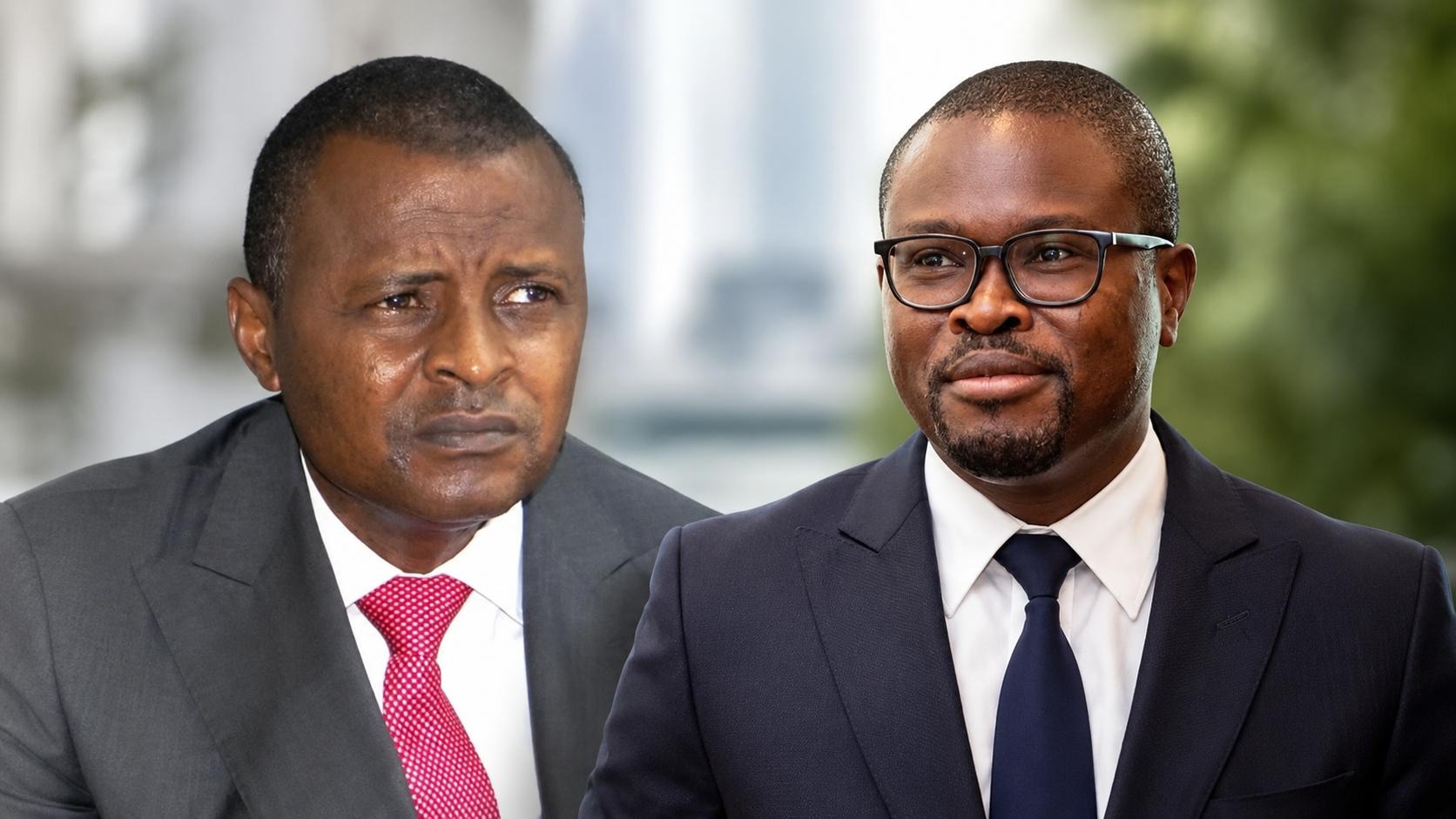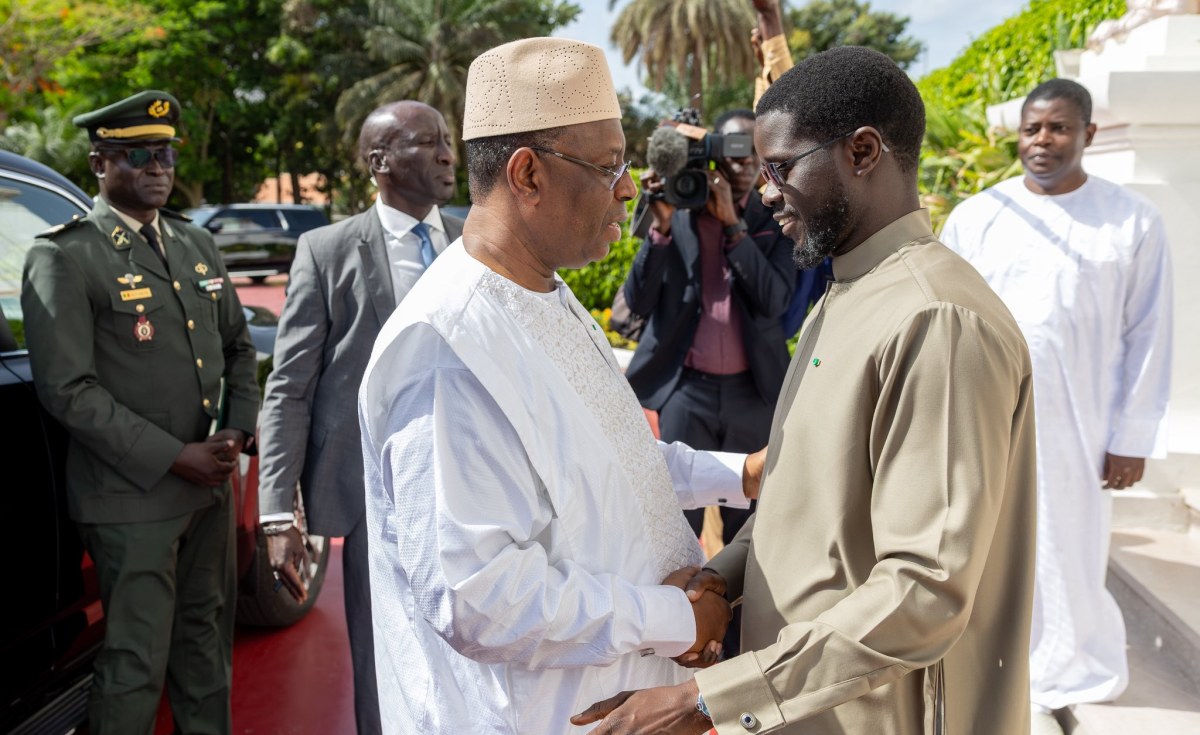
It was an image few would have imagined just months ago. Making his return to Senegalese soil two years after leaving office, former President Macky Sall was officially received by his successor, Bassirou Diomaye Faye. At the heart of this highly strategic meeting at the Presidential Palace in Dakar was Sall’s quest for diplomatic backing from Senegal to propel him towards the post of United Nations Secretary-General. This initiative unfolds against a volatile national backdrop, marked by a significant shift at the highest echelons of state and the palpable anger of victims’ collectives.
A diplomatic push influenced by the Dakar-Burundi dynamic
The agenda of this historic encounter quickly emerged from the hushed halls of the presidency. Macky Sall, formally seeking the support of Senegalese diplomacy, outlined his aspirations to succeed António Guterres as the head of the United Nations (UN). For the former leader, securing official sponsorship from his home country is an indispensable prerequisite to lend credibility to his candidacy on the international stage.
The urgency of this swift audience stemmed from an initial diplomatic setback. As widely reported, Macky Sall’s candidacy for the UN top job was not initially submitted by Senegal, but by Burundi, which currently holds the rotating presidency of the African Union. Dakar’s initial reservations had compelled the former president to seek alternative endorsements across the continent. This face-to-face in Dakar, therefore, aimed to mend fences and secure crucial official support, essential for aligning the votes of major global powers and bolstering his standing in African politics.
The pragmatism of complex presidential arbitration
Confronted with his predecessor’s request, President Bassirou Diomaye Faye found himself navigating a complex arbitration. On one hand, state interests and international prestige dictate that a Senegalese citizen potentially ascending to the planet’s highest multilateral office is highly desirable. On the other, such an official endorsement faces strong opposition from the political base that brought him to power in 2024.
Secret discussions revolved around this historic compromise: how far can the current head of state publicly commit without undermining his own legitimacy?
This direct dialogue between the former and current supreme magistrates marks a notable precedent in Senegal’s democratic transition, illustrating a surprising dynamic where the pragmatic management of state interests attempts to transcend yesterday’s electoral divisions.
An audience under the shadow of the new post-Sonko era
This institutional rapprochement has caused considerable unease in Dakar, particularly as it coincides with a radical reconfiguration of the state apparatus. The audience granted to Macky Sall indeed takes place in an unprecedented political climate, marked by the definitive split between President Bassirou Diomaye Faye and Ousmane Sonko, the latter having left the Prime Minister’s office last May to resume leadership of the parliamentary opposition.
For many observers of Dakar’s political scene, the cordial reception of the former head of state at the Presidential Palace by President Faye, under the gaze of the new Prime Minister Ahmadou Al Aminou Mohamed Lô, signals a strong declaration of political independence. By appearing with Macky Sall, the president sends a clear message to the networks of the former ruling coalition (the Alliance pour la République, whose activists gathered in front of Léopold-Sédar-Senghor military airport for the occasion). This private meeting could well redefine covert alliances ahead of future electoral deadlines, establishing a presidential posture increasingly focused on republican continuity and stability in African politics.
Street anger and the specter of the past
While the Palace protocol displayed republican courtesy, the atmosphere outside the gates was considerably more charged. Macky Sall’s return reawakened the traumas of the political crises from 2021-2024. Immediately upon the announcement of his visit, several victims’ collectives and civil society organizations voiced their strong disapproval, denouncing the visit and demanding accountability.
For these demonstrators and victims’ families, impunity cannot be negotiated on the altar of international diplomacy. Voices are forcefully rising, calling for the initiation of formal judicial proceedings against the former head of state, who is implicated in the violent repression of protests during his tenure.
Caught between multilateral ambitions in New York and demands for justice in Dakar, Macky Sall’s return places President Faye on a particularly precarious political tightrope.