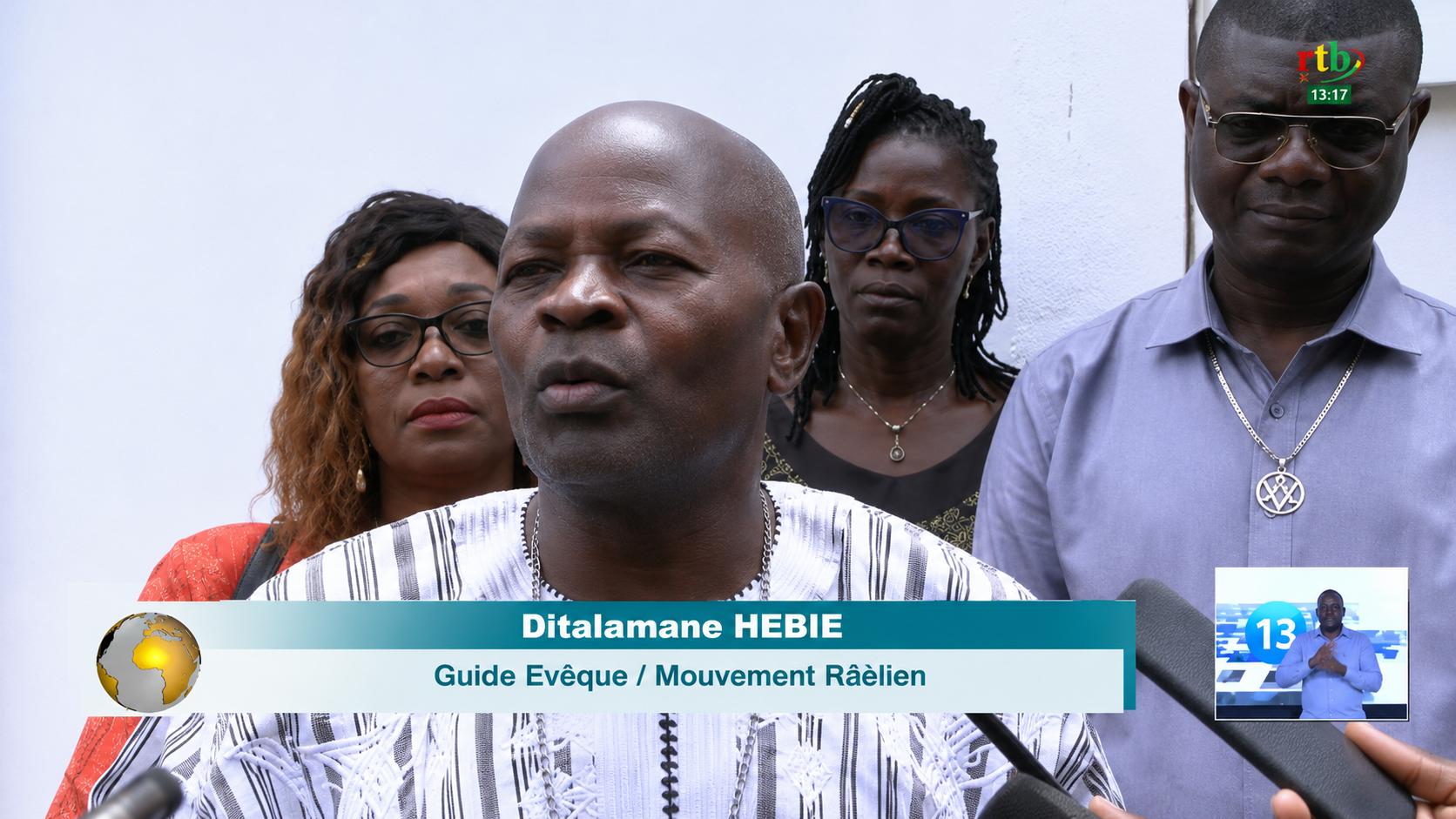
A local movement in Burkina Faso has ignited a wave of public discourse by proposing the establishment of an “embassy for extraterrestrials.” While the group claims this initiative is a step toward strengthening national sovereignty, the announcement has triggered a storm of reactions across social media and within political circles.
A disconnect from national priorities
Many observers have voiced sharp criticism, questioning how such a proposal could gain traction in the public sphere while the country grapples with profound security, economic, and social crises. For these critics, the focus on interstellar diplomacy suggests a significant disconnect between certain political movements and the urgent, daily realities faced by the Burkinabè population.
The arguments presented by the project’s supporters have only added to the skepticism. According to the movement, an embassy dedicated to extraterrestrial beings would not only provide a unique form of protection for Burkina Faso but also stimulate the economy through specialized tourism and accelerate the nation’s path to total sovereignty.
Skepticism regarding national security
These assertions have left many analysts perplexed. In the absence of any empirical evidence or logical foundation, it is difficult for many to see this theory as a credible contribution to the national debate. Detractors argue that linking the serious business of national security and economic development to the hypothetical arrival of extraterrestrials undermines the gravity of the challenges currently facing the state.
Some commentators suggest that since Captain Ibrahim Traoré assumed leadership following the 2022 coup d’état, the public discourse in Burkina Faso has been increasingly characterized by initiatives that seem far removed from the country’s immediate needs. They view this latest controversy as an illustration of a potential shift in priorities that raises questions about the nation’s current trajectory.
Official policy versus private initiatives
Conversely, some voices urge caution, noting that the declarations of a specific movement do not necessarily represent the official position of the Burkinabè authorities. They emphasize the importance of distinguishing between the unconventional ideas of private organizations and the actual policies being implemented by the government.
For most critics, the true foundations of sovereignty are found in the reinforcement of state institutions, the effective fight against insecurity, job creation, and the improvement of public governance. They argue that focusing on speculative alien protection or hypothetical tourism benefits serves only to distract from the essential work of developing infrastructure and securing the territory.
Ultimately, this unusual proposal has reopened a broader conversation about what sovereignty actually entails. For many in Burkina Faso, true independence is built on the state’s ability to protect its citizens and improve their quality of life through tangible progress, rather than through highly speculative and unproven ventures.