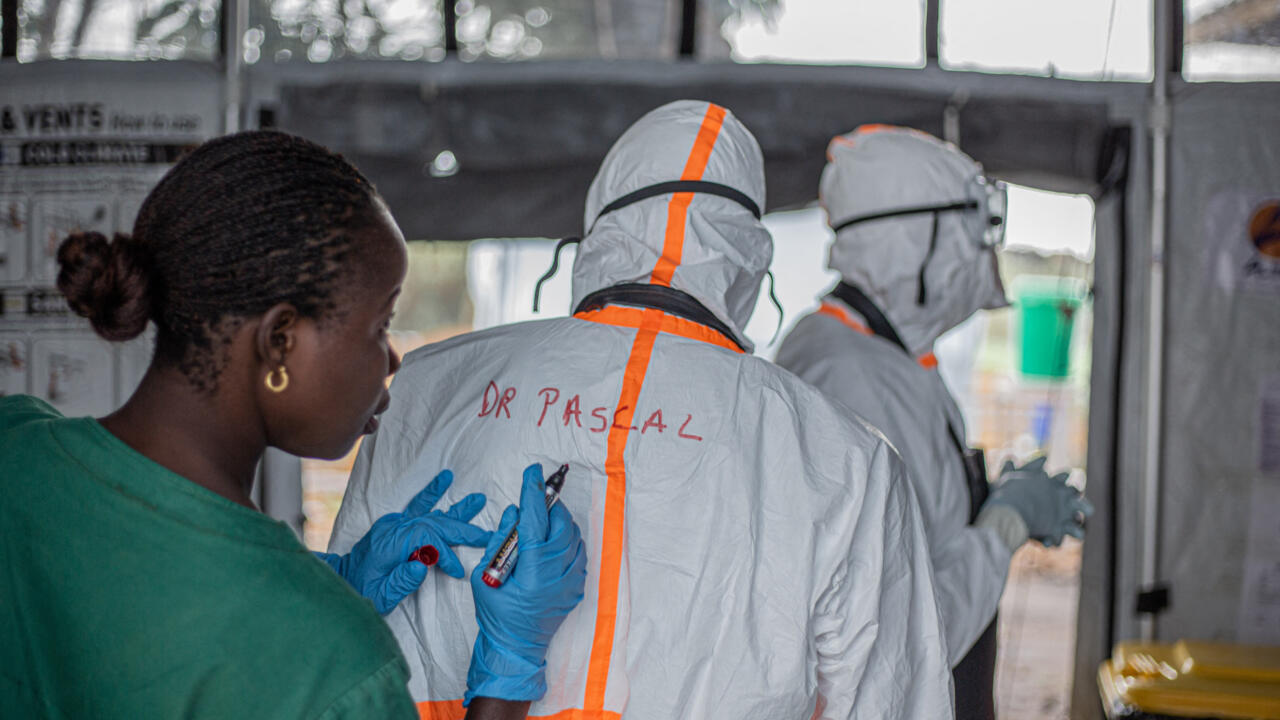
The World Health Organization has sounded the alarm. Two months after the declaration of the Ebola outbreak in the Democratic Republic of Congo, official figures released on July 15 show more than 2,000 cases, including 796 deaths. However, the organization warns that the actual number of infected individuals could be two to four times higher. What explains this significant discrepancy? Why is this outbreak proving so difficult to control? Could the launch this week in Bunia of the first clinical trial for post-exposure prophylaxis shift the situation?
An Alarming Discrepancy in Reported Figures
While the Democratic Republic of Congo (DRC) has officially recorded over 2,000 Ebola cases and nearly 800 deaths, the World Health Organization (WHO) suggests these numbers may not reflect the true scale of the epidemic. According to the organization, the real number of infections could be two to four times higher than the reported figures. This alarming gap raises concerns about the accuracy of surveillance and response efforts.
Challenges in Containing the Outbreak
Several factors contribute to the difficulty in controlling the Ebola outbreak in the DRC. Remote and hard-to-reach regions, coupled with widespread distrust of health authorities, hinder containment efforts. Additionally, the ongoing conflict in the eastern part of the country exacerbates the situation, as access to affected areas is often restricted. These challenges make it difficult to trace contacts, isolate patients, and provide timely medical care.
The recent launch of a clinical trial for post-exposure prophylaxis in Bunia represents a potential breakthrough. This trial aims to test a preventive treatment that could protect individuals who have been exposed to the virus. If successful, this approach could significantly enhance the response to future outbreaks.
What’s Next for the DRC?
The DRC is at a critical juncture in its fight against Ebola. Addressing the underreporting of cases and improving access to healthcare in conflict zones are essential steps. The WHO and local authorities must work together to strengthen surveillance, enhance public trust, and deploy innovative solutions to curb the spread of the virus.