Gabon faces mounting pressure over water and electricity failures despite billion-franc investments
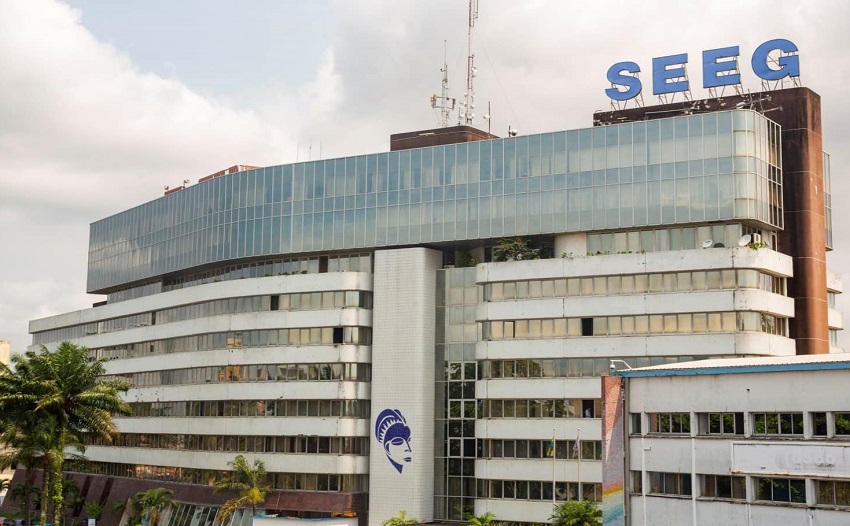
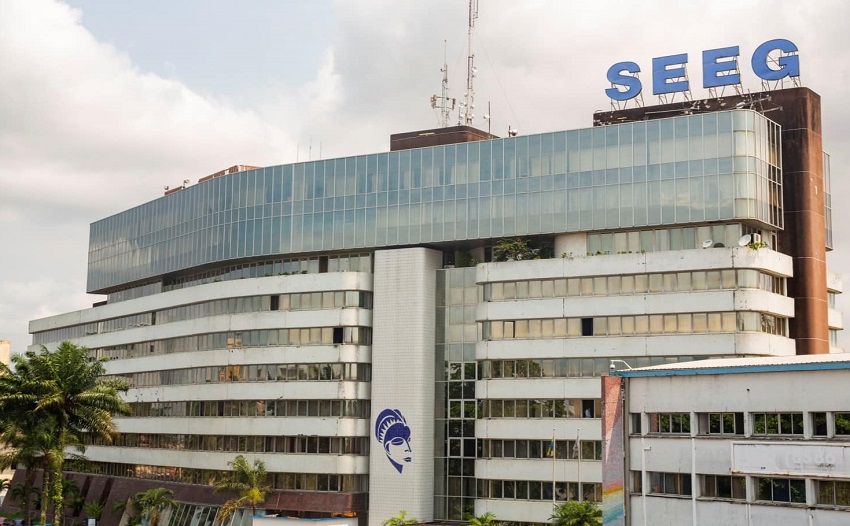
Libreville, 22 June 2026 — For the first time since the transition began, Gabon’s ruling party is publicly demanding accountability from the Société d’énergie et d’eau du Gabon (SEEG), the state-owned utility responsible for water and electricity services.
The question at the heart of this unprecedented move is straightforward: how can nearly one trillion CFA francs have been allocated over three years without tangible improvements in service delivery? The stark contrast between financial commitments and public outcomes has reached a breaking point.
In an unusually blunt statement, the political bureau led by Jean-Pierre Oyiba slammed the persistent shortcomings of an operator tasked with providing two essential services. The criticism underscores a growing exasperation among citizens and businesses grappling with an untenable situation.
Chronic infrastructure failures spark national outrage
Gabonese households and enterprises are all too familiar with the symptoms: repeated power cuts, prolonged blackouts, water shortages across Libreville and inland towns, aging facilities, and delays in modernization projects.
The ruling Union Démocratique des Bâtisseurs (UDB) argues that these failures can no longer be attributed solely to historical neglect. The government has poured unprecedented resources into reviving the energy sector, aiming to rehabilitate plants, expand production capacity, modernize distribution networks, and enhance potable water access. Yet, despite this financial firepower, service delivery remains woefully inadequate.
The economic toll is severe. Businesses are hemorrhaging funds on backup generators, retailers are suffering operational losses, and families are seeing their living standards erode. With Gabon positioning itself as a regional investment hub, reliable energy infrastructure is non-negotiable—yet it remains a glaring weak spot.
Accountability takes center stage
Beyond criticism, the UDB’s statement introduces a critical dimension: governance accountability. Water and electricity are not mere commercial services; they underpin public health, education, safety, economic competitiveness, and social stability. Effective management demands competence, transparency, and measurable results.
The party’s intervention highlights a rarely discussed aspect of the crisis: managerial responsibility. It contends that SEEG’s leadership must justify the use of allocated funds and demonstrate tangible progress. This stance suggests that the core issue lies not in funding but in execution.
The political timing is deliberate. As public frustration mounts, the UDB appears to separate the executive’s commitment from operational failures. The message to citizens is clear: resources have been secured—it is now up to managers to deliver.
A credibility test for Gabon’s transition
The stakes extend far beyond SEEG. Since August 2023, transition authorities have pledged to improve living conditions, with access to water and electricity being the most immediate test of their credibility. The debate has shifted from how much was spent to why those expenditures have not yet yielded better outcomes.
The UDB’s public challenge signals a turning point. It reflects the erosion of political patience and the growing demand for results-driven governance. The critical question now is whether this pressure will trigger structural reforms, a restructuring of SEEG’s governance, or leadership changes.
For Gabonese citizens, the proof will be in the pudding. The true measure of success will come when water flows reliably from taps and electricity becomes a dependable, rather than a precarious, resource. Until then, both SEEG’s leadership and the transition’s ability to convert public investment into real-world impact remain under scrutiny.