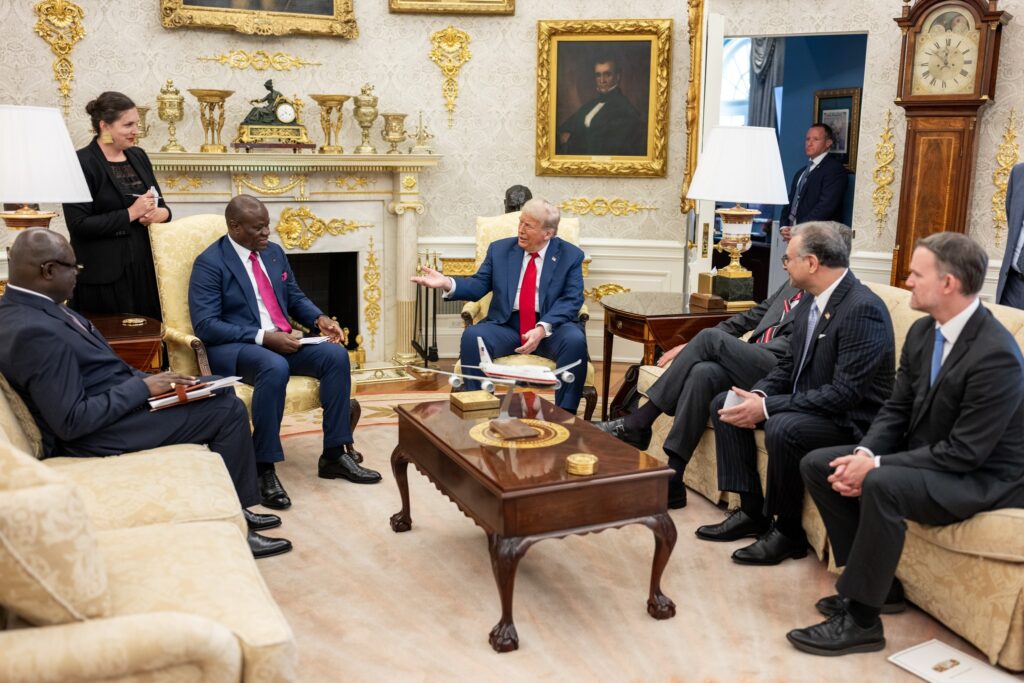
Gabon rejects Trump’s migrant plan with firm sovereign stance
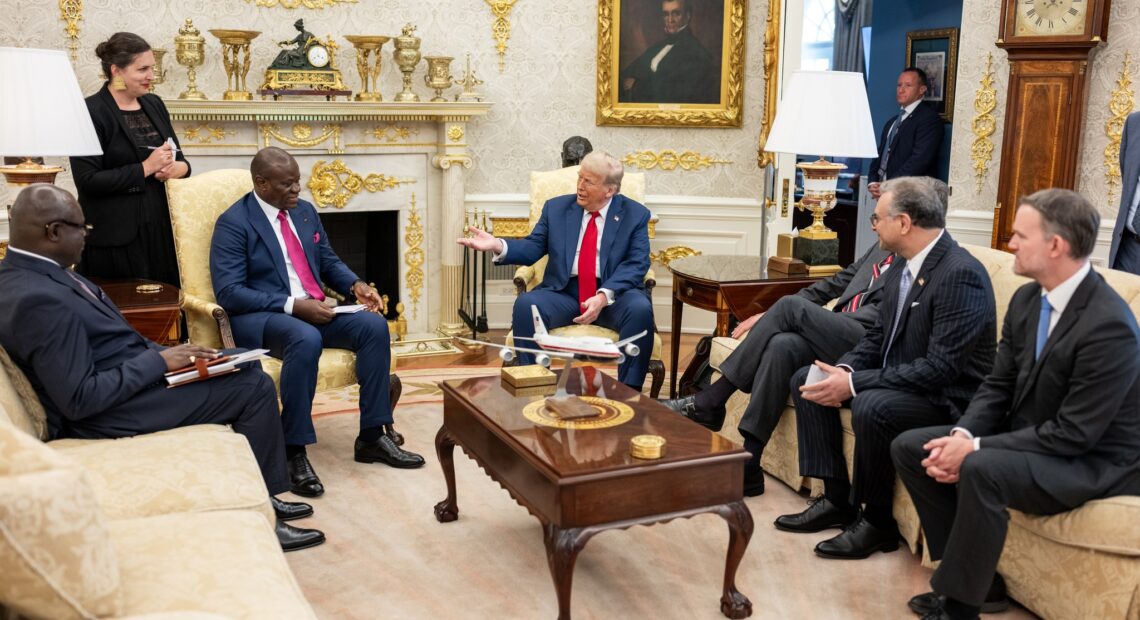
Libreville, June 4, 2026 – By declining to accept migrants expelled from the United States, Gabonese President Brice Clotaire Oligui Nguema has sent a powerful political signal that extends far beyond mere migration concerns.
Behind this decisive stance lies a bold assertion of national sovereignty, reflecting Gabon’s evolving diplomatic doctrine. This approach prioritizes national interests while maintaining balanced relations with global powers.
In a televised interview, the Head of State left no room for doubt. Addressing a proposal from Washington to relocate deportees to Gabon, he made his position crystal clear: he refused.
« We did not reach an agreement on this matter. I did not accept them in my country. I say this openly. Gabon is not prepared to sign an agreement that doesn’t serve our interests. It’s as simple as that, » declared Brice Clotaire Oligui Nguema.
This firm response comes amid a global tightening of migration policies, particularly in Western nations. The Trump administration has actively sought partner countries willing to receive certain categories of deportees.
A global challenge
For years, migration management has emerged as one of the defining geopolitical challenges of our time. Europe, North America, and emerging economies increasingly seek to outsource migration control to third-party states.
In this context, some African nations have agreed to cooperate with Western powers. Rwanda, for instance, has signed multiple agreements to host migrants relocated from the United Kingdom, with similar discussions underway in other African states.
Gabon’s refusal carries particular significance in this landscape.
The decision does not signal a rupture with Washington. On the contrary, throughout the discussion, President Oligui Nguema underscored the strength of Gabon-United States relations, even playfully referring to Donald Trump as « my friend in the red tie. »
The message is nuanced but unmistakable: partnership and cooperation continue, but Gabon’s interests come first.
Sovereignty as a guiding principle
This stance aligns with a series of recent moves reflecting Gabon’s growing commitment to national reassertion. From local manganese processing to renegotiating economic partnerships or reclaiming the Camp de Gaulle military site, Libreville is crafting a discourse centered on sovereignty.
In this framework, the migration question takes on symbolic weight. Accepting deportees from another continent would have triggered administrative, social, security, and budgetary challenges with unpredictable consequences. For a nation engaged in sweeping economic and social modernization, the priority remains meeting domestic needs.
This position also resonates with widespread sentiment across Africa. Many believe the continent cannot become a dumping ground for the migration problems of wealthy nations.
A balanced diplomacy
The true significance of this episode may lie elsewhere. Gabon has demonstrated that rejecting a major power’s proposal does not necessitate diplomatic confrontation.
This approach contrasts sharply with global tensions where migration disputes often escalate into open political crises. By publicly refusing while maintaining respectful discourse toward Washington, President Oligui Nguema projects an image of a sovereign state defending its interests without resorting to confrontation.
For international observers, this decision reflects a broader shift in Africa’s relations with global powers. Partnerships remain essential, and cooperation is vital. Yet African states now demand greater confidence and decision-making autonomy in negotiations.
Beyond migration alone, the message from Libreville is unequivocal: Gabon remains open to the world but will not allow its future to be dictated by external forces. In an increasingly fragmented international environment, this assertion of sovereignty could become a defining feature of Gabonese diplomacy in the coming years.
Related Posts
Opposition in Sénégal shifts support to Diomaye Faye to block Sonko
The political landscape in Sénégal is witnessing a major realignment as the Parti démocratique sénégalais (PDS) urges its supporters to reject the upcoming constitutional referendum. […]
Bassirou Diomaye Faye’s patriotic surge in Senegal ahead of Kiiraay launch
President Faye escalates patriotic rhetoric ahead of new party’s debut Pastef Ousmane Sonko Bassirou Diomaye Faye Kiiraay – Les Patriotes républicains Senegalese President Bassirou Diomaye […]
Niger: former president bazoum held without charge for two years
Former nigerien president mohamed bazoum remains arbitrarily detained The military authorities in Niger must immediately release former president Mohamed Bazoum, who has been held without […]