Gabon’s debt audit: the key to unlocking IMF agreement
For months, whispers circulated among economists, diplomats, and financial analysts about an imminent agreement between Gabon and the International Monetary Fund. The expectation was palpable, yet the long-awaited signature never materialized.
In a landmark interview, President Brice Clotaire Oligui Nguema finally shed light on the reasons behind this delay. Beyond technical negotiations with the Bretton Woods institution, a fundamental question looms large: does Gabon truly understand the full extent of its public debt?
The stakes couldn’t be higher. For international investors, credit rating agencies, development partners, and financial markets, an IMF agreement is far more than a funding mechanism. It serves as a powerful indicator of credibility, stability, and confidence in the country’s economic trajectory. By revealing that a deal is now expected by the end of 2026, the Head of State confirmed progress in the dossier. Yet, he also exposed the lingering shadows from decades of governance practices.
The audit as a prerequisite for trust
The President’s most striking revelation pertains to the actual level of the country’s indebtedness.
According to his statements, the figures presented during the transition period were inconsistent. An initial assessment indicated a debt of 7,500 billion CFA francs, while another evaluation suggested a figure closer to 8,000 billion. A discrepancy significant enough to raise serious concerns at the highest levels of government.
Facing this situation, Brice Clotaire Oligui Nguema has insisted on a comprehensive audit before any commitment to the IMF. His stated objective is clear: to obtain an accurate financial snapshot of Gabon before signing an agreement that would bind the State for years to come.
This move reflects an uncommon commitment to transparency in African financial negotiations. Yet, it also raises a deeper question: how can a petroleum-rich nation struggle to produce a definitive picture of its public debt?
The answer points to decades of financial management practices. For years, Gabon’s public finances have faced criticism for their lack of clarity, the proliferation of off-budget commitments, and weak oversight mechanisms.
In this context, the audit is less an option and more a necessity.
The IMF’s challenge in Gabon
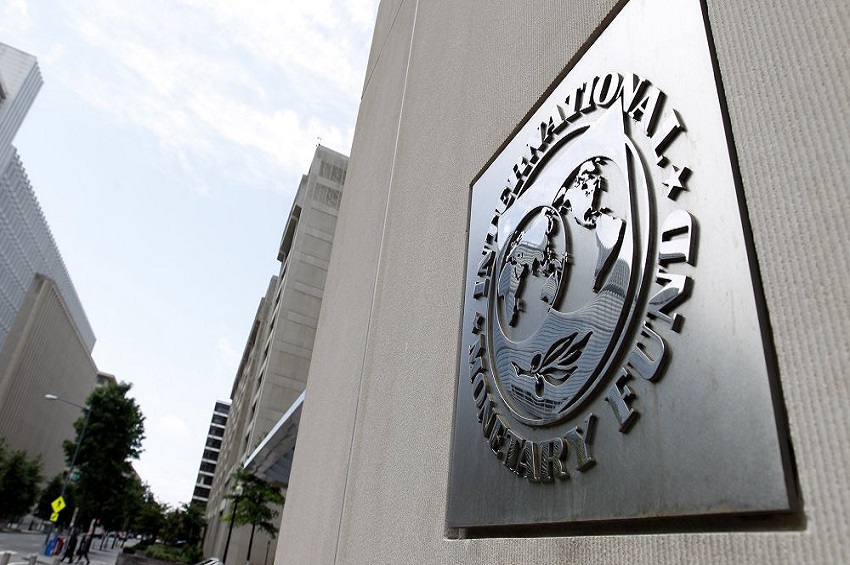
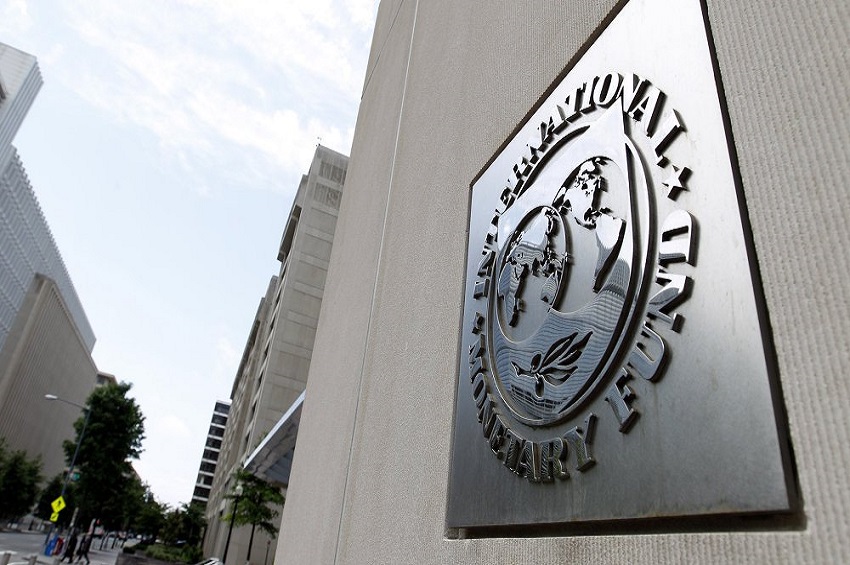
The Washington-based institution has accepted this demand for clarification.
According to the Gabonese President, the IMF has agreed to postpone the program’s conclusion to allow for this audit. Behind this decision lies pragmatic reasoning: the IMF itself requires a precise evaluation of the real financial situation before deploying its resources.
This verification phase is particularly crucial as Gabon remains one of the most strategically important economies in the CEMAC region. Its economic weight, oil and mineral resources, and role in regional financial stability make it a central player in sub-regional stability.
Discussions now focus as much on budgetary transparency as on future reforms. An IMF program is never just about financing; it typically entails commitments in governance, budgetary management, revenue mobilization, and public expenditure control.
A pending signature, inevitable reforms
The announcement of a potential agreement by year-end marks an important milestone. However, it does not signal the end of the process.
Observers know that an IMF program often comes with structural reforms whose impact is directly felt by citizens. Public expenditure rationalization, tax reform, improved revenue collection, subsidy policy overhauls, and modernization of financial administration are among the frequently recommended measures.
The President has provided no details on the exact nature of the future agreement or the potential funding amounts. This caution is understandable: negotiations are ongoing, and final decisions have not yet been made.
Yet, the real challenge today extends beyond financing. Gabon seeks to restore its financial credibility after years of uncertainty. For international partners, the audit demanded by Libreville could represent the first step toward a new culture of economic governance built on transparency and accountability.
From this perspective, the delayed agreement no longer appears as a failure. Instead, it could represent the necessary price to rebuild a lasting relationship of trust between the Gabonese State, financial markets, and international institutions. In public finance, trust is not declared; it is earned through the truth of the numbers.