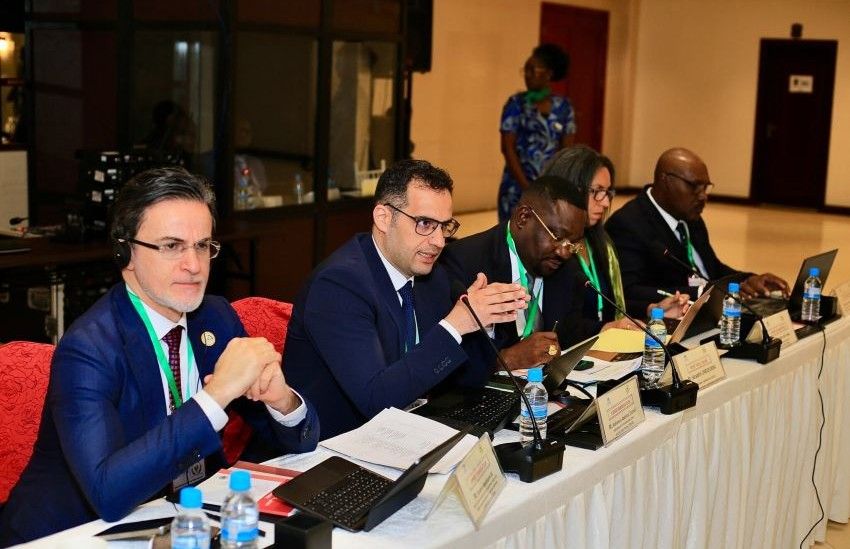
Gabon’s governance test under UN anti-corruption scrutiny
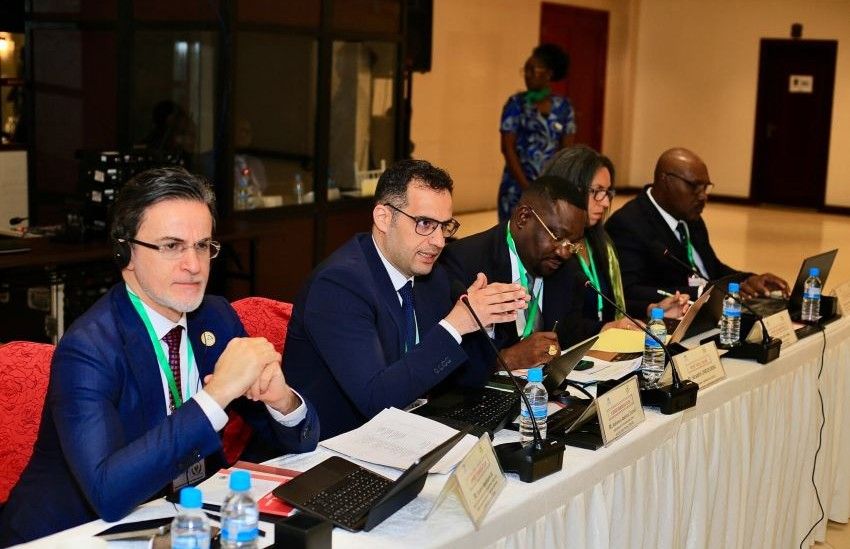
Libreville, Wednesday, July 1, 2026 — As the battle against corruption increasingly defines a nation’s credibility with investors, international partners, and citizens alike, Gabon finds itself this week under the microscope of the global community.
Since June 29 in Libreville, the country has been hosting the evaluation mission for the second cycle of the United Nations Convention against Corruption (UNCAC) review mechanism. What appears to be a technical exercise carries profound political, economic, and institutional implications that extend far beyond administrative frameworks.
Over three days, experts from the United Nations Office on Drugs and Crime, Gabonese officials, and specialists from Chad and Libya will scrutinize the effectiveness of national prevention systems, control mechanisms, international cooperation, and asset recovery procedures. The goal: to assess Gabon’s real capacity to turn international commitments into tangible outcomes.
Beyond diplomatic formalities
The evaluation, launched at Libreville’s Boulevard Hotel, marks a pivotal step in the public governance modernization drive undertaken by Gabonese authorities. The assessment covers prevention mechanisms, financial traceability tools, inter-institutional coordination, international judicial cooperation, and measures against illicit enrichment.
Seraphin Ondoumba, UNODC focal point in Gabon and member of the National Commission for the Fight against Corruption and Illicit Enrichment (CNLCEI), emphasized that this exercise offers an opportunity to showcase progress while pinpointing lingering weaknesses.
For international experts, the evaluation transcends mere procedural review. The core question revolves around Gabon’s ability to foster a lasting culture of public integrity and ensure rigorous management of national resources.
This assessment arrives at a time when international transparency demands have become central to economic attractiveness. Investors, development partners, and financial institutions now weigh governance quality as heavily as a nation’s economic potential when making critical decisions.
Governance as the backbone of national transformation
Discussions have highlighted reforms initiated since President Brice Clotaire Oligui Nguema took office. Anti-corruption measures, public expenditure rationalization, strengthened administrative controls, and modernized revenue collection rank among the executive’s top priorities.
Hermann Immongault, Vice-President of the Government, noted that this mission aligns with a broader strategy to reinforce transparency, administrative accountability, and alignment with global standards.
This approach manifests through the gradual digitalization of administrative and financial procedures—a technological leap with a critical objective: reducing opacity, securing public revenues, and enhancing financial operation traceability.
The evaluation also examines the operational efficiency of the National Commission for the Fight against Corruption and Illicit Enrichment, public agent training programs, awareness campaigns, and internal control systems across government departments.
The credibility of a nation in its institutions
Beyond the final report expected on Wednesday, this mission represents a true test of institutional credibility. In an international landscape marked by rising transparency demands, nations demonstrating effective governance mechanisms enhance their economic appeal and diplomatic influence.
Gabon appears to recognize that anti-corruption efforts are no longer merely a matter of public ethics—they have become a national competitiveness factor. Institutional quality now conditions investor confidence, policy effectiveness, and a country’s ability to mobilize development financing.
The recommendations emerging from this review should help identify necessary adjustments to consolidate progress and address persistent gaps. Yet the true challenge lies in implementation.
In modern economies, good governance is no longer a lofty ideal—it is a strategic infrastructure as vital as roads, ports, or energy. For Gabon, this week’s evaluation represents far more than an international audit; it is a gauge of its capacity to build a more transparent, efficient, and globally credible state.