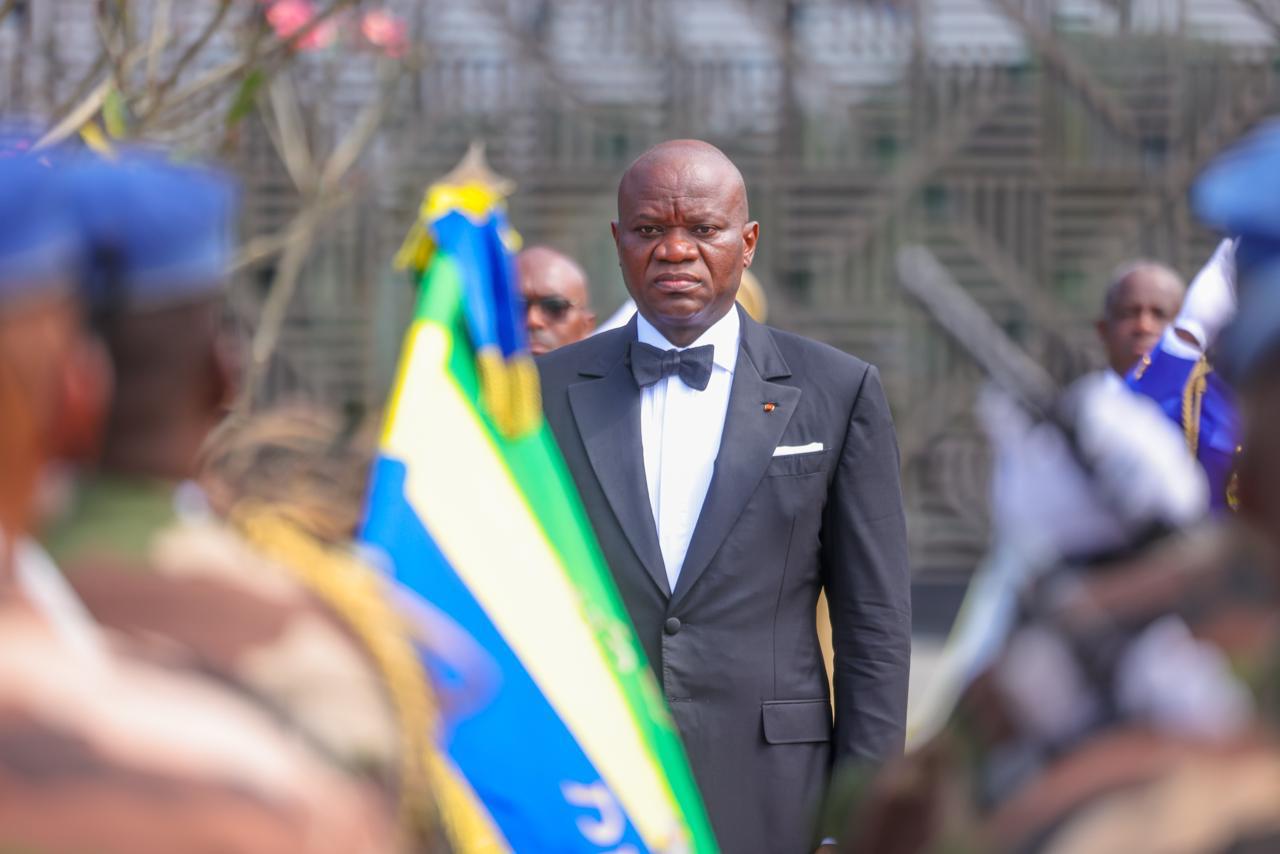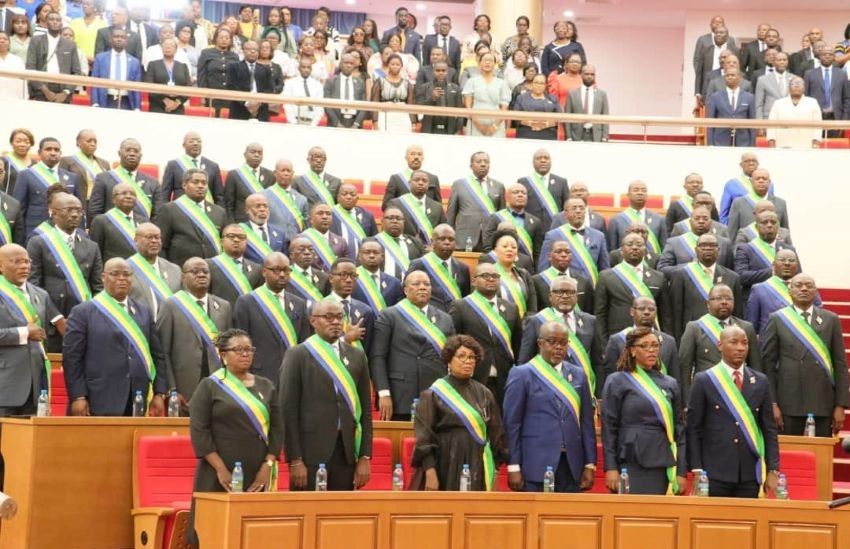
Libreville — Four months after its establishment under the framework of the Vth Republic, the National Assembly of Gabon has concluded a session that stands as a cornerstone of the nation’s modern institutional history.
A foundational session for the Vth Republic
The official closing of this first ordinary session, specifically dedicated to legislation, took place at the Palais Léon-Mba. This event marked more than just the end of a parliamentary cycle; it signaled the rise of a legislature determined to be a central pillar in the national reconstruction process initiated on August 30, 2023.
Led by Michel Régis Onanga M. Ndiaye, the deputies presented a robust record of activity. Of the 33 bills submitted for review, 23 were thoroughly examined and passed. These legislative acts are designed to have a tangible impact on the daily lives of citizens while supporting the implementation of the new institutional architecture.
Challenging executive dominance through legislative oversight
One of the most striking developments of this session was the Assembly’s clear stance on its independence. Michel Régis Onanga M. Ndiaye emphasized that the role of a deputy goes far beyond merely voting on proposed laws. He highlighted the necessity of refining, amending, and—when required—rejecting government proposals to safeguard the public interest.
This shift suggests that Gabon‘s new legislative body is moving away from being a passive participant. A critical warning was issued regarding the executive’s use of ordinances. While acknowledging their legality, the Assembly President insisted that such measures should be strictly reserved for genuine emergencies, ensuring that democratic debate remains the standard for governance.
Institutional dialogue and future reforms
The session also featured high-level institutional engagement, most notably during the Parliamentary Congress on June 15. On that day, President Brice Clotaire Oligui Nguema delivered his first state of the nation address to both chambers. He outlined essential reforms, including the settlement of salary arrears, the reimbursement of Poste SA savers, the expansion of social safety nets, the restructuring of the SEEG, and the modernization of transport infrastructure.
Ultimately, the closing of this session serves as a reminder of the shared responsibility between the government, the elected officials, and the public. The success of the Vth Republic will be judged by the ability of these institutions to maintain a balance of power and remain accountable to the citizens of Gabon. While the session has ended, the real work of monitoring these reforms is only just beginning.