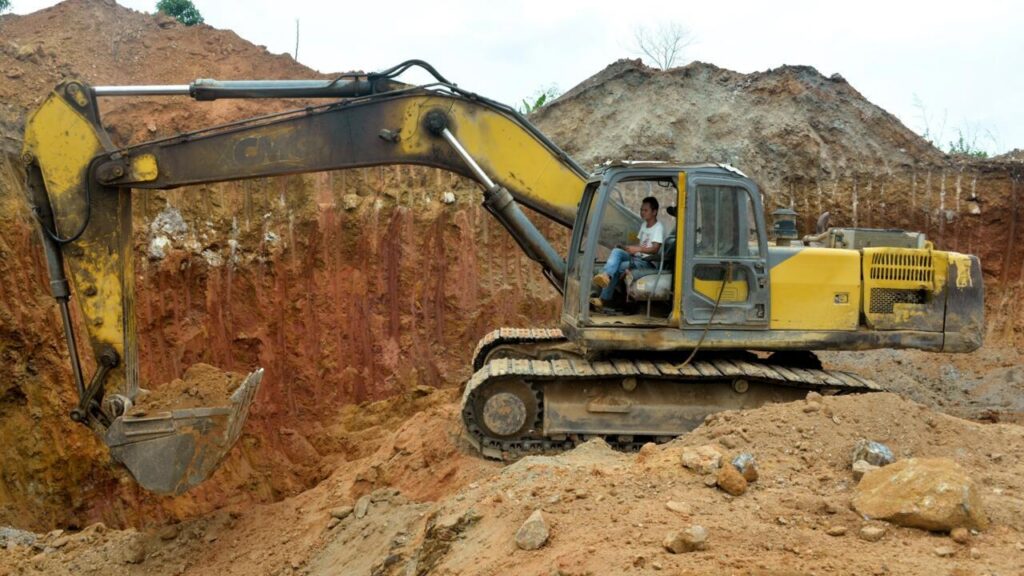
Gold mining in Cameroon and the Democratic Republic of Congo (DRC) continues to face significant transparency challenges, despite recent reforms. According to the Institute for Security Studies, gaps in governance and revenue tracking persist, leaving national treasuries deprived of their fair share of earnings from this lucrative sector.
Data from the Extractive Industries Transparency Initiative reveals a striking discrepancy. While Cameroon reported just 22 kilograms of gold exports in 2023, importers documented purchases totaling 15 metric tons. This gap underscores systemic issues in oversight, with both domestic and international operators failing to meet accountability standards.
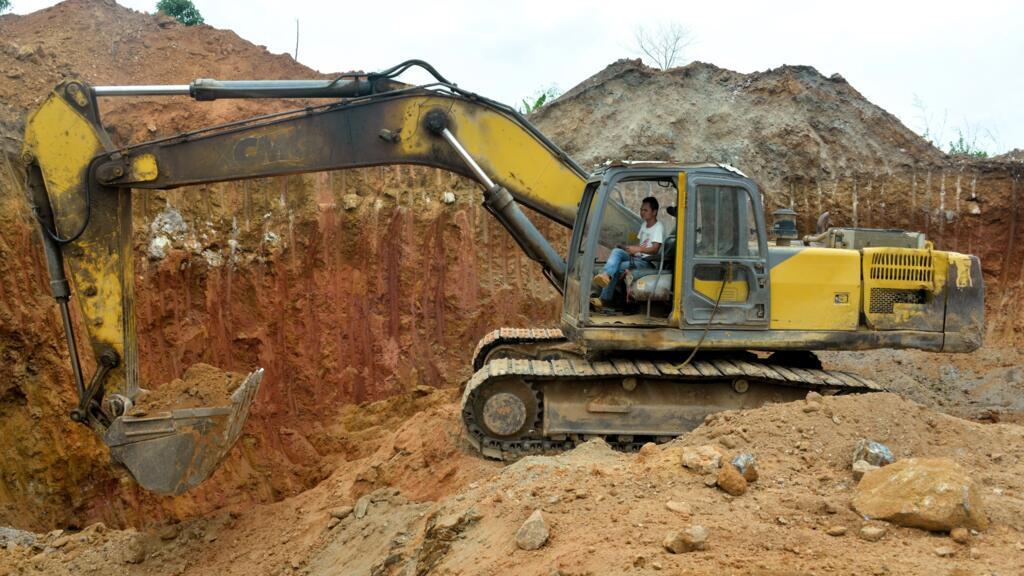
Why transparency in gold mining matters
Professor Aïcha Pemboura, a researcher at the Observatory on Organized Crime and Violence in Central Africa, highlights the urgent need for stricter regulations. ‘The lack of accountability among both local and foreign operators is alarming,’ she notes. ‘Without proper oversight, gold mining revenues vanish instead of funding public services and infrastructure development.’
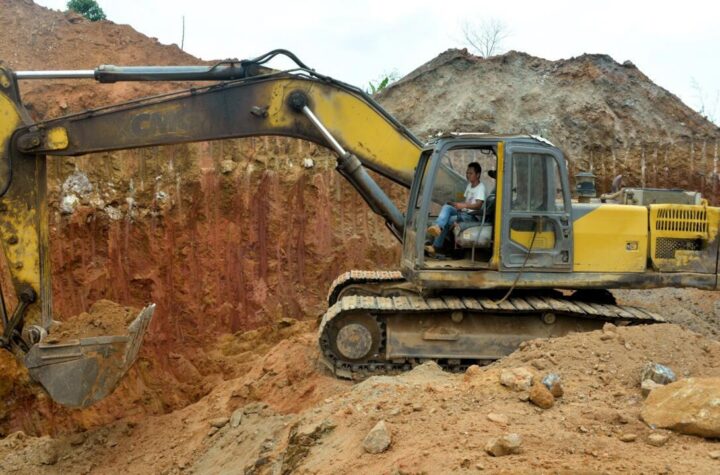
In Cameroon, where mining contributes modestly to the economy, the shortfall in reported exports suggests potential smuggling or underreporting. The DRC, a major global gold producer, faces even greater scrutiny due to its vast artisanal mining sector, which often operates outside formal channels.
Calls for stronger governance
Experts argue that governments must enforce existing laws while adopting new measures to curb illicit activities. ‘Mining companies must be held responsible for every gram of gold extracted,’ Pemboura emphasizes. ‘Transparency initiatives alone are not enough without binding regulations and independent audits.’
The findings align with broader concerns across Africa, where extractive industries frequently suffer from corruption and weak institutional frameworks. Strengthening governance in gold mining could unlock billions in untapped revenue for development.