The growing retreat of justice in the Sahel amid military rule
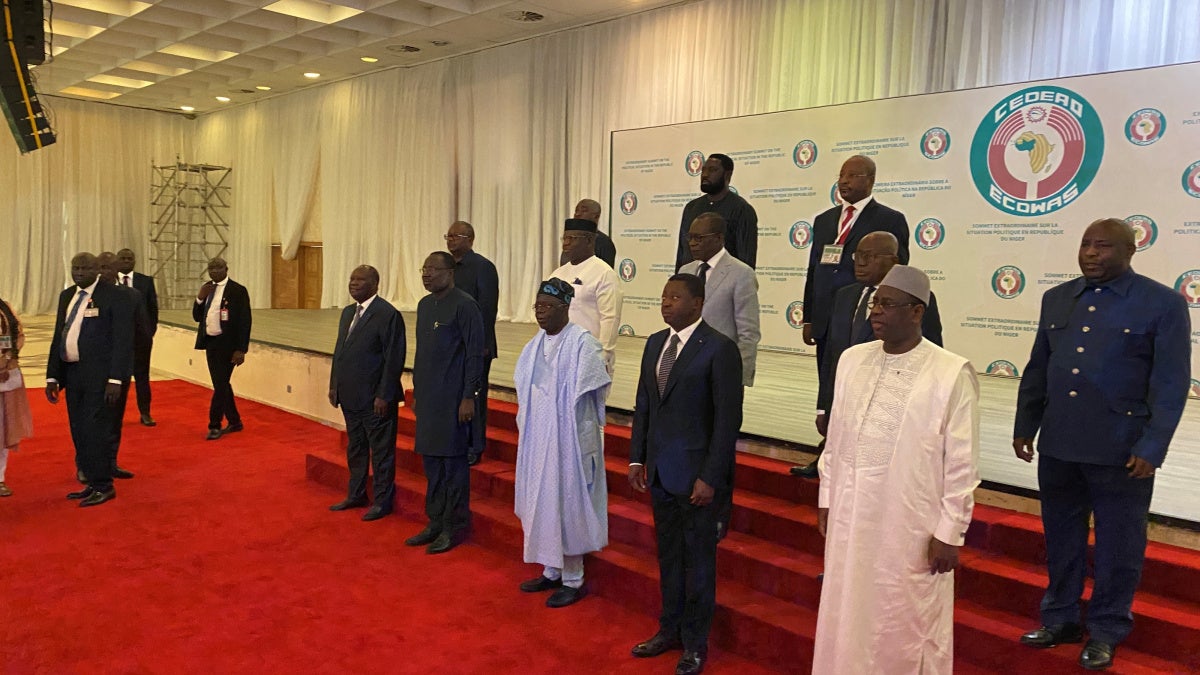
The Sahel region has witnessed a troubling convergence of crises, with three neighboring nations—Burkina Faso, Mali, and Niger—sharing more than just borders. Each country is currently under military leadership, and each has made a deliberate choice to sever ties with the Economic Community of West African States (ECOWAS).
This withdrawal isn’t just a political statement; it’s a calculated move to evade accountability. These juntas have been accused of severe human rights violations, including atrocities against civilians, suppression of civil liberties, and unchecked abuses by security forces. By leaving ECOWAS, they effectively shield themselves from legal consequences under the jurisdiction of the ECOWAS Community Court of Justice.
How the ECOWAS court served as a last hope for justice
Established in 2005, the ECOWAS Community Court of Justice has been a lifeline for victims of human rights abuses in West Africa. Unlike traditional court systems, it allows citizens to bypass local judiciaries and bring cases directly before an international tribunal. This mechanism has delivered landmark rulings on human rights violations, including cases involving Burkina Faso, Mali, and Niger.
For the military regimes in these nations, the court’s authority posed a direct threat. Its ability to hold governments accountable for crimes committed by security forces or allied armed groups made it a formidable obstacle to unchecked power. By withdrawing from ECOWAS, these juntas have effectively closed this critical avenue of justice.
A double blow for victims of human rights abuses
The loss of access to the ECOWAS court compounds an already dire situation for victims. Local and national courts in Burkina Faso, Mali, and Niger have largely failed to investigate or prosecute security forces for grave violations, including war crimes and extrajudicial killings. With the regional court now out of reach, victims face an even more daunting challenge in seeking redress.
The formation of a new confederation by these three nations signals a troubling shift. Justice and accountability are no longer priorities, leaving civilians vulnerable to ongoing abuses without legal recourse. A Malian political activist in exile in France recently highlighted this crisis, stating:
Since seizing power through force, these military governments have repeatedly failed to hold those responsible for flagrant human rights violations to account […]. This latest decision only underscores their disregard for human rights and the rule of law.
As the Sahel grapples with escalating instability, the withdrawal from ECOWAS represents more than a political maneuver—it’s a retreat from justice itself.