Ongoing atrocities and lack of accountability in Burkina Faso’s conflict
- The Burkina Faso army, allied militias, and an Al-Qaeda-linked armed group have killed over 1,800 civilians and forcibly displaced tens of thousands since 2023.
- The military junta itself commits horrific abuses, fails to hold any party accountable, and restricts information flow to conceal civilian suffering.
- Regional bodies and international partners must press authorities to address violations by all sides and establish genuine accountability.
Human rights abuses in Burkina Faso have reached catastrophic levels since the military seized power in September 2022. A recent 341-page report documents widespread war crimes and crimes against humanity committed by all armed factions in the country. The findings reveal a pattern of deliberate violence against civilians, including the ethnic cleansing of Fulani communities.
The report, titled “No One Will Escape”: War Crimes and Crimes Against Humanity in Burkina Faso, examines 57 incidents involving the national army, pro-government militias known as Volunteers for the Defense of the Homeland (VDP), and the Group for the Support of Islam and Muslims (GSIM/JNIM), an Al-Qaeda affiliate active across the Sahel. Researchers conducted over 450 interviews with victims, witnesses, and officials, cross-referenced with satellite imagery, videos, and official documents to verify each documented case.
Systematic violence by state forces and armed groups
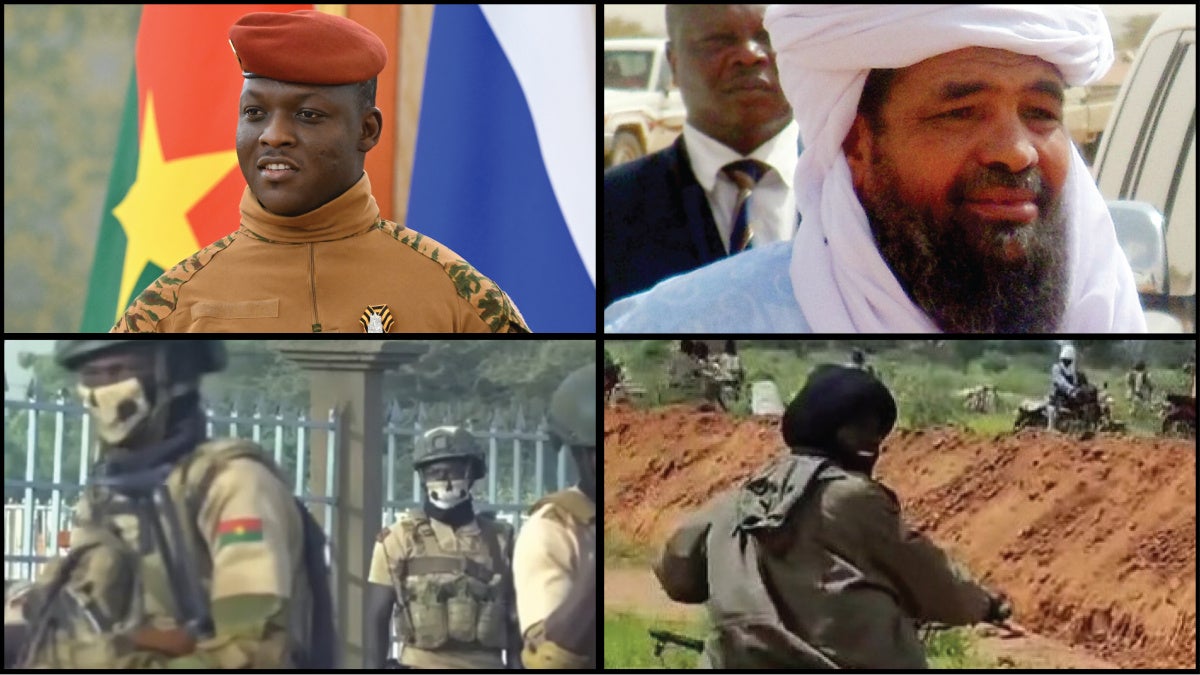
The Burkina Faso military, supported by the VDP militias, has carried out brutal counterinsurgency operations targeting civilians accused of aiding Islamist groups. In December 2023, soldiers and allied militias executed more than 400 civilians in villages near Djibo, northern Burkina Faso, during an operation codenamed “Tchéfari 2.” Survivors described indiscriminate shootings, with one woman stating: “My two daughters died instantly. My nine-month-old son and I were severely wounded by bullets. A militiaman told us: ‘Make sure no one breathes before leaving.’”
These operations have specifically targeted the Fulani community, whom the government accuses of supporting Islamist militants. In November 2023, pro-government militias killed 13 Fulani civilians—including six women and four children—in Bassé, western Burkina Faso. A 41-year-old survivor recounted: “All the bodies, except my son’s, were in the courtyard, blindfolded, with torn clothes and hands tied behind their backs… riddled with bullets. My son… lay on his stomach. He had been shot in the neck.”
The GSIM/JNIM has also perpetrated large-scale atrocities. In August 2024, the group massacred at least 133 civilians, including dozens of children, in Barsalogho, central Burkina Faso, accusing the entire community of supporting the VDP. A 39-year-old survivor described the attack: “They shot continuously, as if they had endless ammunition. People fell like flies. They came to exterminate us. No one was spared.” Five members of his family were killed.
Beyond killings, GSIM/JNIM has besieged towns and villages, blocking access to food, water, and medical supplies. The group has planted improvised explosive devices on roads and destroyed critical infrastructure, exacerbating famine and disease among trapped populations.
Impunity fuels cycle of violence
Despite overwhelming evidence, no party to the conflict has been held accountable. Victims report having no faith in national judicial institutions, which remain inaccessible or ineffective. Government officials consistently deny or downplay allegations, particularly those implicating the military and allied militias, and have failed to conduct credible investigations.
Human rights experts warn that the lack of accountability is a key driver of continued violence. The report identifies President Ibrahim Traoré, Burkina Faso’s military commander-in-chief, and six high-ranking officers as potentially liable under command responsibility for war crimes and crimes against humanity. Additionally, Iyad Ag Ghaly, GSIM’s supreme leader—already wanted by the International Criminal Court (ICC) for alleged crimes in Mali—along with four GSIM commanders, could face justice for abuses committed in Burkina Faso.
International response remains inadequate
The international community has largely overlooked the crisis in Burkina Faso. The United Nations, African Union, European Union, and key partners such as the United States are urged to take urgent action to break the cycle of abuse and impunity. Recommendations include:
- Imposing targeted sanctions on commanders responsible for documented atrocities.
- Supporting efforts to ensure justice for victims through credible, independent investigations.
- Encouraging the ICC Office of the Prosecutor to open a preliminary examination into war crimes and crimes against humanity committed by all parties since September 2022.
“The world must recognize the scale of atrocities unfolding in Burkina Faso so this suffering can finally end,” said a senior Human Rights Watch official. “Regional organizations and international partners must work with Burkinabè authorities to address violations by all sides and establish real accountability.”