
The rivalry between Ivory Coast and Ghana isn’t limited to football pitches anymore. Economic projections for 2026 reveal a close race at the top of West Africa’s most dynamic economies. While Abidjan has long been celebrated for its growth stability, Accra is rapidly closing the gap, with the International Monetary Fund forecasting Ghana’s GDP to reach $118 billion compared to Ivory Coast’s projected $110 billion. This shift marks a significant moment in regional economic competition.
Ghana’s growth surge: what’s driving the momentum?
The rise of Ghana’s economy isn’t accidental. Several key factors contribute to its accelerated expansion:
- Resource boon: Ghana’s oil and gas sector, particularly offshore fields like Jubilee and Tweneboa-Enyenra-Ntomme (TEN), continues to attract billions in foreign investment, fueling industrial growth and job creation.
- Diversification push: Beyond traditional sectors, Accra is investing in technology, financial services, and renewable energy, reducing reliance on cocoa exports.
- Stable macroeconomic policies: Recent reforms in fiscal discipline and debt management have improved investor confidence, lowering borrowing costs for both public and private entities.
- Demographic advantage: With a younger, more educated workforce compared to many regional peers, Ghana is better positioned to harness digital transformation and innovation.
These elements combine to create a growth narrative that challenges Ivory Coast’s long-standing dominance in West African economic performance.
Ivory Coast’s resilience: why Abidjan remains a powerhouse
Despite Ghana’s upward trajectory, Ivory Coast’s economy retains critical strengths that keep it competitive:
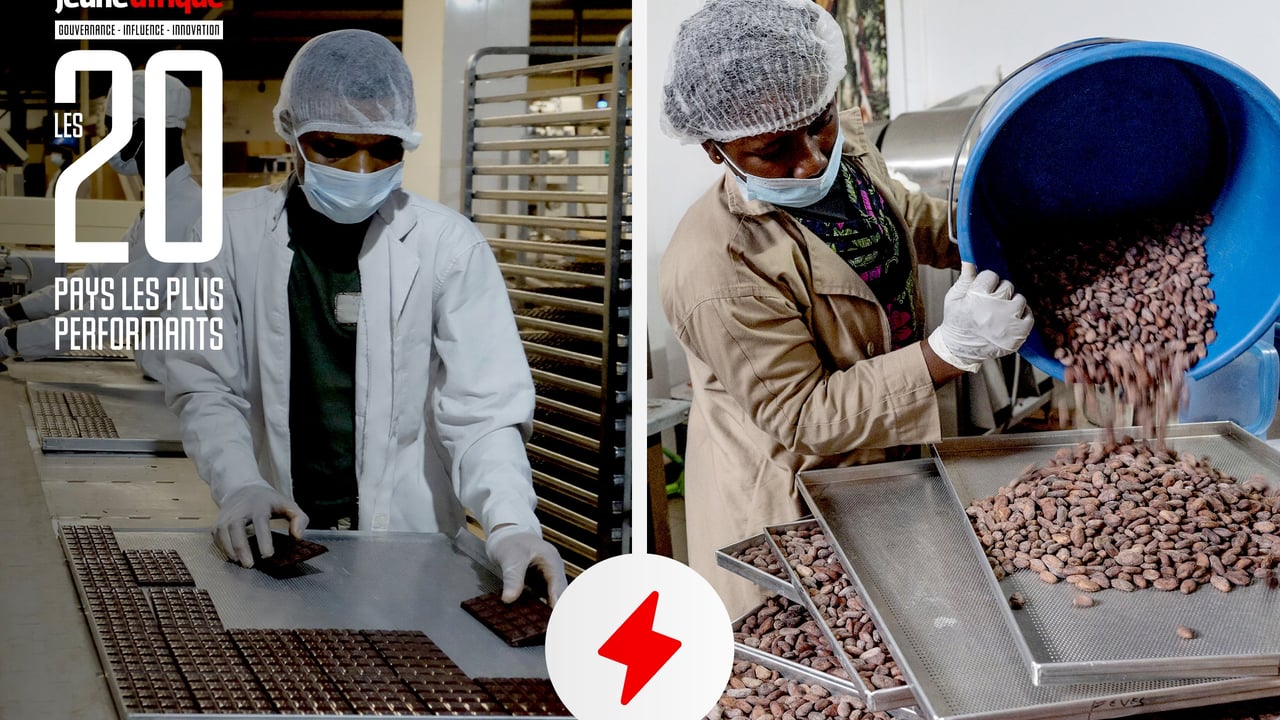
- Agricultural backbone: As the world’s top cocoa producer, Ivory Coast leverages stable global demand and premium pricing to maintain trade surpluses.
- Infrastructure leadership: Massive investments in ports, highways, and energy projects—like the Henri Konan Bédié Bridge and Soubré Dam—enhance regional connectivity and industrial output.
- Political stability: Consistent government policies and targeted reforms under President Alassane Ouattara have fostered an environment where businesses thrive.
- Regional integration: Ivory Coast’s strategic location and membership in the West African Economic and Monetary Union (WAEMU) provide access to a market of over 120 million consumers.
While Ghana’s GDP may surpass Ivory Coast’s in nominal terms this year, the latter’s structural advantages ensure it remains a cornerstone of regional stability and development.
Comparing the two giants: beyond GDP numbers
A closer look reveals nuanced differences that shape each nation’s economic profile:
| Metric | Ghana | Ivory Coast |
|---|---|---|
| GDP Growth Rate (2026) | 6.5% | 6.2% |
| Inflation Rate | 10.4% | 3.2% |
| Unemployment Rate | 4.6% | 3.8% |
| Ease of Doing Business Rank (2025) | 118th | 110th |
| Foreign Direct Investment (FDI) Inflows | $3.2 billion | $1.8 billion |
The data highlights Ghana’s faster growth and higher FDI inflows, but Ivory Coast’s lower inflation and stronger business environment underscore its economic resilience. Investors must weigh these trade-offs when considering opportunities in either market.
What the future holds for both economies
The next five years will determine whether Ghana’s growth spurt is sustainable or if Ivory Coast can reclaim its top position. Several trends warrant attention:
- Debt sustainability: Ghana’s public debt exceeds 80% of GDP, raising concerns about long-term fiscal health. Ivory Coast, with debt at around 50% of GDP, enjoys greater fiscal flexibility.
- Industrialization: Both nations are prioritizing local processing of raw materials—cocoa for Ivory Coast and lithium for Ghana—to capture higher value in global supply chains.
- Energy transition: Ghana’s push toward renewable energy (solar and hydro) contrasts with Ivory Coast’s hydroelectric dominance, creating distinct green growth pathways.
- Regional trade: The African Continental Free Trade Area (AfCFTA) offers both countries a chance to deepen intra-African trade, but infrastructure gaps remain a hurdle.
For policymakers and business leaders, the choice isn’t just about which economy is “better” but which aligns best with their strategic goals. Ghana’s dynamism appeals to risk-tolerant investors, while Ivory Coast’s stability attracts those prioritizing long-term returns.
Key takeaways for investors and analysts
- Short-term: Ghana’s GDP lead in 2026 reflects its aggressive growth strategies, but high inflation and debt could dampen momentum.
- Long-term: Ivory Coast’s diversified economy and regional integration provide a buffer against global shocks, though structural reforms are needed to accelerate growth.
- Sector spotlight: Technology and renewable energy present high-growth opportunities in Ghana, while Ivory Coast’s agriculture and infrastructure sectors remain resilient pillars.