
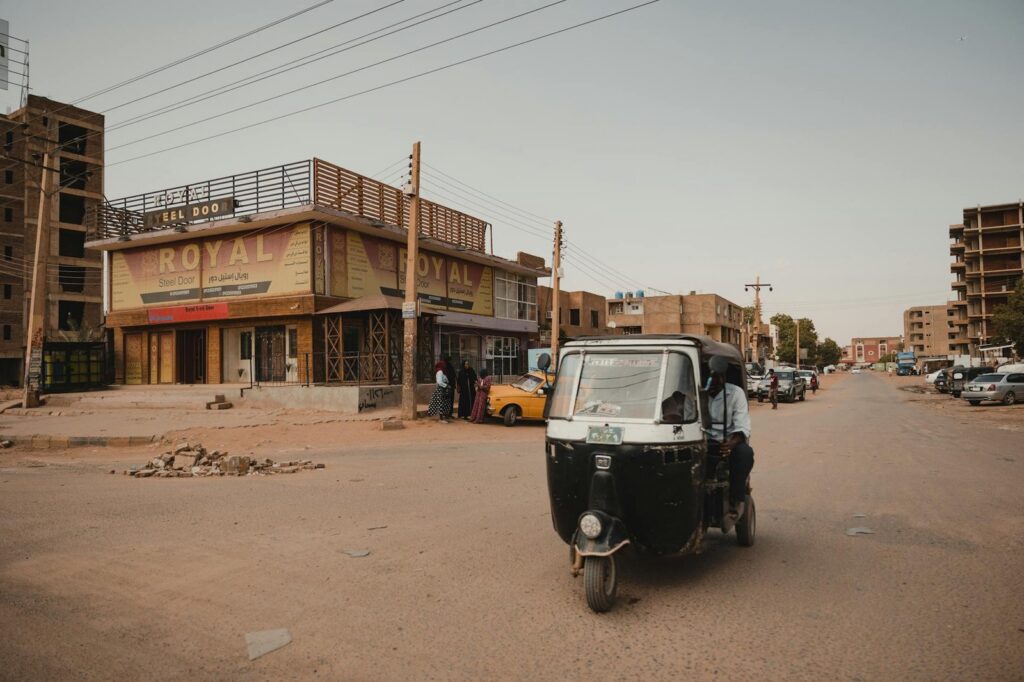
In Mali, the economic noose around Bamako has tightened further as jihadist factions, operating under the banner of the Jama’at Nusrat al-Islam wal Muslimin (JNIM) and linked to al-Qaeda, escalate their campaign. Over the weekend, militants torched at least ten buses along the Ségou-Bamako corridor, a vital artery for goods and fuel flowing into the capital from eastern regions. Simultaneously, critical electrical infrastructure tied to the Manantali hydroelectric dam in the Kayes region came under sustained attack, leaving large sections inoperable.
Manantali dam: a strategic target in a war of attrition
The assault on Manantali is far from arbitrary. The dam, jointly managed by Mali, Mauritania, and Senegal through the Senegal River Basin Development Authority (OMVS), serves as a linchpin of Mali’s urban power grid. By disabling its transmission lines, the JNIM is no longer just challenging military forces—it is striking at the heart of the nation’s economic backbone. Power outages ripple through Bamako, paralyzing public services, shuttering businesses, and halting industrial activity almost instantly.
This tactic follows weeks of relentless pressure, including repeated ambushes on fuel convoys entering from Senegal and Côte d’Ivoire. The goal is clear: turn fuel shortages into political leverage, eroding public confidence in the transitional government led by General Assimi Goïta. Once relatively shielded from the worst of the conflict, Bamako now finds itself at the epicenter of a drawn-out siege.
Army response and fragile relief
In response, Malian armed forces have intensified both ground and aerial operations across multiple fronts. Military escorts have escorted hundreds of tanker trucks into Bamako in recent days, temporarily easing pressure on gas stations under siege. Yet this respite remains precarious. Each convoy requires substantial resources, and securing Mali’s national highways over the long term appears increasingly unattainable.
The Malian Armed Forces (FAMa) face a double bind. In central and western Mali, JNIM fighters continue to ambush convoys and destroy critical infrastructure. In the north, around Kidal, the situation remains locked in a tense standoff, with fresh clashes looming against factions of the Permanent Strategic Framework. Bamako’s forces are stretched thin, battling on two fronts with dwindling manpower and equipment.
A regional crisis deepens
The blockade’s impact extends far beyond Mali’s borders. Neighboring economies—especially those of Senegal, Mauritania, and Côte d’Ivoire—are feeling the strain as trade corridors across West Africa constrict. Ports in Dakar and Abidjan, which once handled significant volumes of goods destined for the Sahel, now face sluggish transit. The Alliance of Sahel States, comprising Mali, Burkina Faso, and Niger, has yet to forge a unified response to the jihadist-led economic warfare unfolding across the region.
The attack on Manantali raises urgent questions about shared infrastructure within the OMVS framework. Further damage could disrupt electricity supplies not only in Mali but also in Senegal and Mauritania, turning a Malian crisis into a regional emergency. International partners—including development lenders and military suppliers—now face a delicate balancing act: upholding support for Bamako’s sovereignty while safeguarding cross-border infrastructure vital to regional stability.
On the ground, the contrast between official military statements and the reality of a capital under siege underscores the gravity of this phase. The JNIM is no longer content with territorial control—it seeks to suffocate a state. Fresh clashes are anticipated in the coming days, particularly around Kidal, where tensions remain dangerously high.


More Stories
Is Chad truly heading towards political appeasement?
Bradley Barcola will adapt faster than Florian Wirtz at Liverpool, says Jermaine Pennant
Togo eyes nuclear power to secure future energy sovereignty