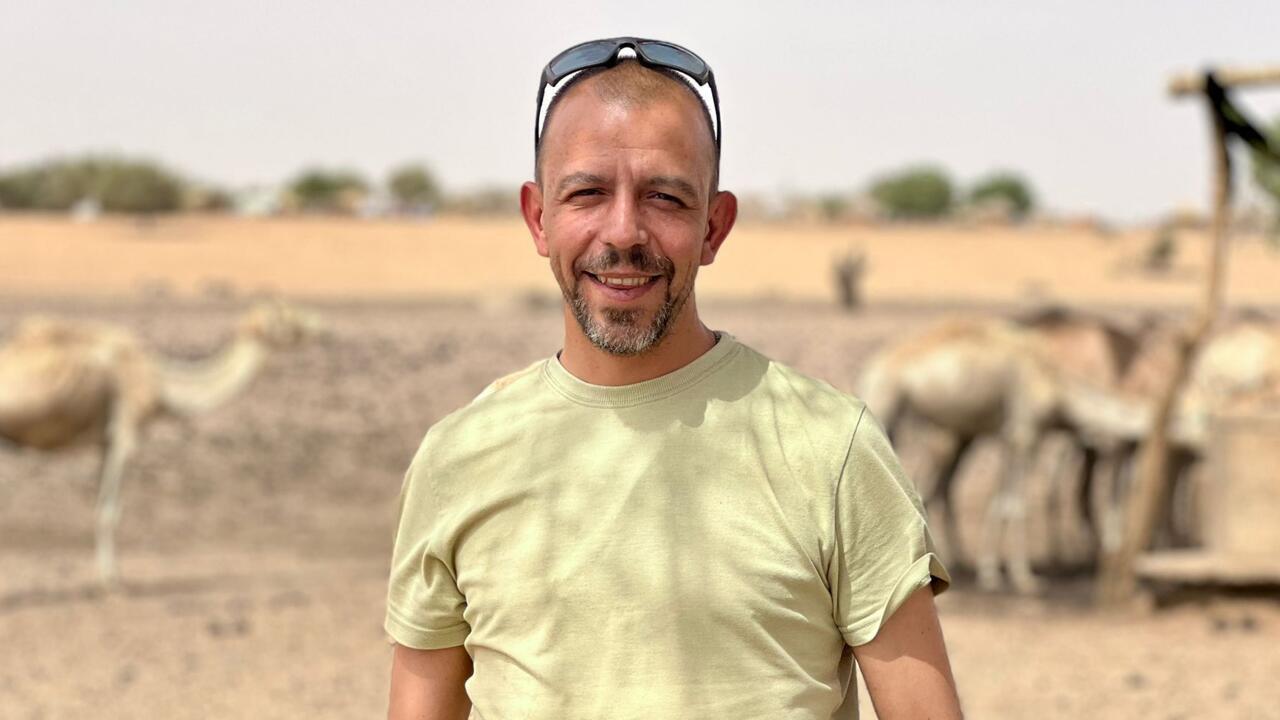
An extraordinary account has emerged from Joseph Figueira, the Belgo-Portuguese researcher who endured two years of captivity in the Central African Republic. His ordeal began with an arrest by Russian Wagner mercenaries in Zemio, a southeastern town, exactly two years to the day before his eventual release on April 7 for humanitarian reasons. Now reunited with his family in Portugal, Figueira shares intimate details of his harrowing experience, including moments when he feared for his life during his detention in Bria.
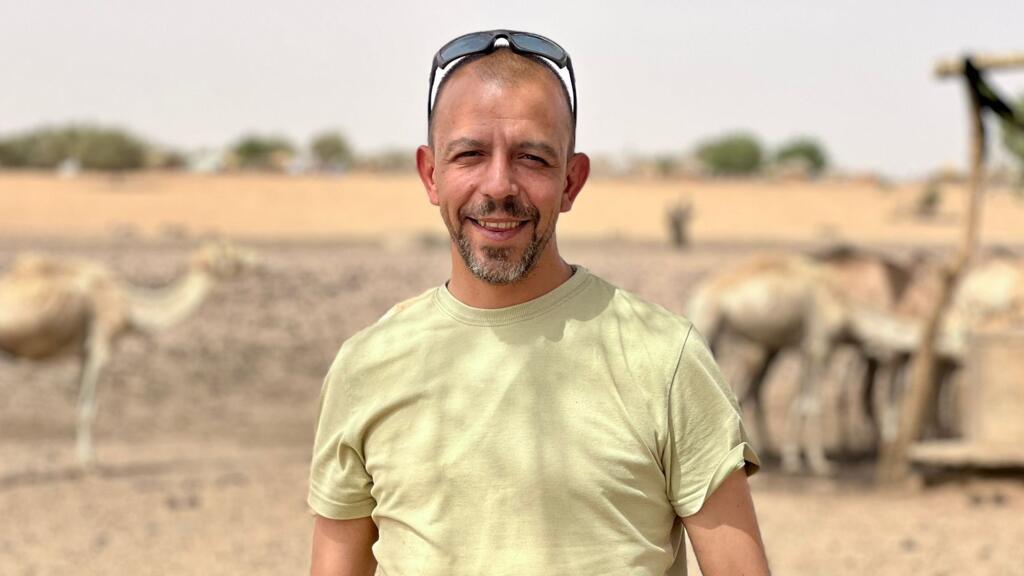
The circumstances surrounding Figueira’s detention raise critical questions: Was his arrest a random act of violence, or was he deliberately targeted for political propaganda purposes? His testimony provides a rare glimpse into the shadowy operations of foreign mercenary groups in the Central African Republic, where survival often hinged on sheer luck and resilience.
From Arrest to Detention: A Two-Year Nightmare
After being seized in Zemio, Figueira was transported to undisclosed locations controlled by Wagner forces. His account reveals the brutal conditions of his captivity, particularly in Bria, where he believed his final moments were near. The psychological and physical toll of his detention underscores the dangers faced by humanitarian workers in conflict zones.
Humanitarian Work Under Threat
Figueira’s ordeal highlights the growing risks humanitarian researchers encounter in regions destabilized by foreign mercenary activities. His experience sheds light on the blurred lines between humanitarian aid and political maneuvering in the Central African Republic, where international actors often operate without oversight.
Questions of Targeting and Propaganda
Was Figueira’s arrest an isolated incident, or part of a broader strategy to intimidate foreign researchers? His testimony suggests a calculated effort to exploit his profile for propaganda, raising concerns about the safety of non-governmental workers in conflict zones.
Reintegration and Recovery in Portugal
Following his release, Figueira has begun the difficult process of rebuilding his life with his family in Portugal. His story serves as a stark reminder of the human cost of geopolitical conflicts and the resilience required to overcome such ordeals.
Lessons for Humanitarian Workers
- Heightened Caution: Researchers must exercise extreme vigilance in conflict zones, particularly where foreign mercenaries are active.
- Awareness of Political Risks: Understanding the local geopolitical landscape is crucial to avoiding unintended entanglement in propaganda campaigns.
- Support Systems: Establishing robust networks for evacuation and support can be lifesaving in precarious situations.
- Advocacy for Safety: International organizations must prioritize the protection of humanitarian workers in high-risk regions.