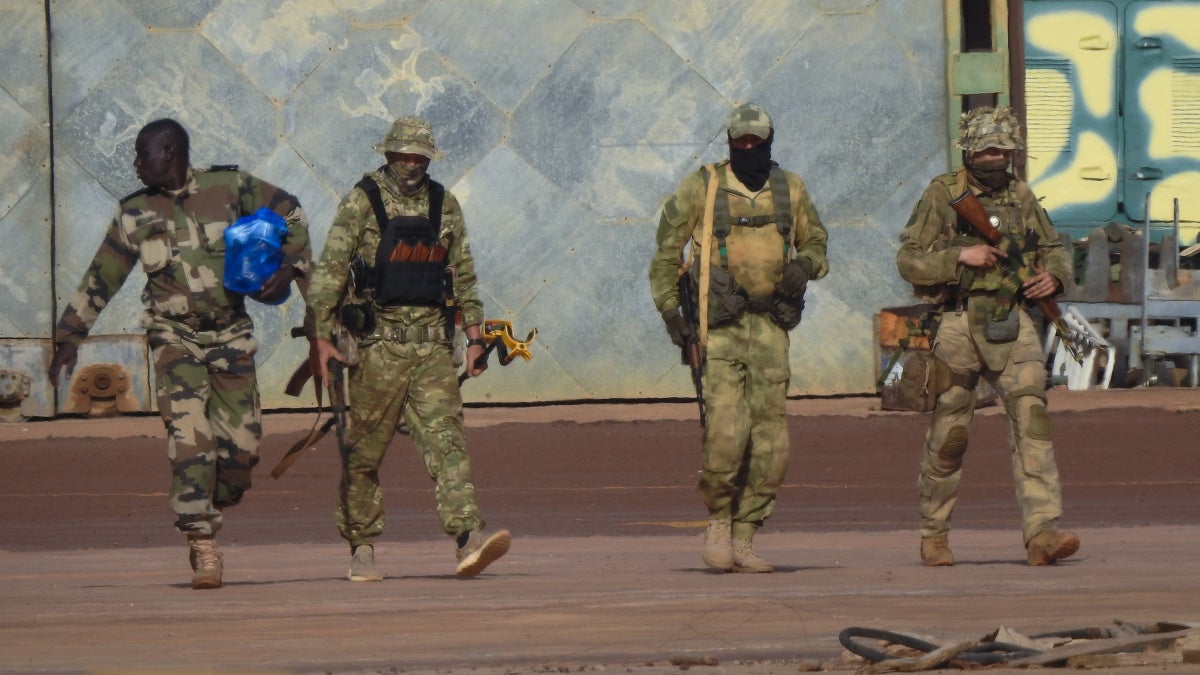
Joseph Figueira’s case stands as a textbook example of how the Russian Wagner Group has weaponized a humanitarian worker’s detention in Central African Republic to undermine Western influence. Seized in a remote area of Mbomou prefecture on May 26, 2024, the Belgian-Portuguese aid worker spent nearly two years in custody before being transferred to Lisbon in early April 2026. During this period, his story was repurposed into a propaganda narrative aimed at discrediting international humanitarian actors operating in the country.
Detention weaponized for disinformation campaigns
The circumstances of Figueira’s arrest, carried out by Wagner-linked forces in a volatile border region, were swiftly amplified by Kremlin-aligned media channels. A court in Bangui handed down a conviction that became the cornerstone of his prolonged detention. Throughout this period, Russian-backed outlets framed the case as evidence of a supposed alliance between humanitarian organizations and armed groups opposing the Central African government. Though lacking factual basis, this narrative served as the blueprint for a sustained disinformation campaign targeting Western-backed actors in the country.
Internal documents from a pro-Russian communication hub operating in Central Africa reveal the meticulous planning behind this strategy. The files outline the production of social media content, the commissioning of local opinion pieces, and the organization of public demonstrations outside Western embassies. Figueira was repeatedly portrayed as either a foreign agent or a symbol of an intrusive humanitarian presence, reinforcing a broader effort to sway local perceptions.
Targeting NGOs, the US, and the UN
The campaign did not stop at Figueira’s case. It evolved into a coordinated effort to undermine the entire international humanitarian ecosystem in Central African Republic. Several foreign NGOs faced public smear campaigns, sometimes followed by administrative restrictions. The United States, whose diplomatic footprint in Bangui has diminished in recent years, was repeatedly accused of backing activities hostile to the Central African government. The UN’s Integrated Multidimensional Stabilization Mission in the Central African Republic (MINUSCA) also became a frequent target of these narratives.
This simultaneous targeting reflects a deliberate strategy to dominate the local information landscape. By flooding media spaces with converging disinformation, the Russian ecosystem seeks to delegitimize alternative actors who could challenge Moscow’s influence over the Central African leadership. Operational records from the pro-Russian hub confirm the professionalization of these influence campaigns, which have been refined since 2018. Their cost-effectiveness compared to conventional military engagement makes them a key tool in Russia’s hybrid warfare playbook.
The chilling effect on humanitarian operations
Figueira’s release and repatriation to Portugal have done little to erase the deterrent effect on humanitarian actors still working in Central African Republic. Several NGOs have scaled back operations in areas where Wagner’s presence is confirmed, particularly in the east and north. The safety of both expatriate and local staff has become a critical factor in operational decisions, even after the rebranding of the Russian contingent as the Africa Corps—a move that has not altered its field methods.
For European diplomats, the Figueira case serves as a cautionary tale. The discreet negotiations that secured his transfer to Lisbon highlight the limited leverage Western governments have when their nationals become entangled in Central African judicial processes influenced by Russian interests. The episode also raises questions about the ability of humanitarian organizations to uphold their neutrality in theaters where information warfare is reshaping the rules of engagement. Internal documents from the pro-Russian hub provide an unprecedented glimpse into the mechanics of this instrumentalization.