The tightening jihadist siege on Bamako, which began in late April, is transforming the preparations for Tabaski 2026 into a severe ordeal for hundreds of thousands of Malian households. The Group for the Support of Islam and Muslims (JNIM), an al-Qaeda-linked katiba operating in the Sahel, has effectively throttled the primary supply routes to the capital. This disruption has halted the steady flow of livestock, essential foodstuffs, and fuel just as one of the region’s most significant religious holidays approaches. With the celebration of Eid el-Kebir scheduled for Wednesday, May 27, Bamako is experiencing a level of deprivation rarely seen in its recent history.
Economic strangulation through road blockades
For several weeks, JNIM militants have systematically targeted commercial convoys that link Bamako to productive regions in the south and west, as well as to the borders of Sénégal, Côte d’Ivoire, and Mauritanie. Numerous trucks have been set ablaze on the main roads leading into the city, creating a climate of fear that discourages transporters and traders from traveling without military protection. Although the Mali army provides escorts for high-priority shipments to prevent a total shutdown, the frequency of deliveries has plummeted.
This strategy of economic encirclement represents a significant tactical shift. Previously focused on rural areas in the north and center, JNIM is now targeting the logistical heart of the capital. by striking the supply chain, the group is directly impacting the purchasing power of urban residents and challenging the stability of the transition authorities, who are struggling to maintain the free movement of goods.
The Tabaski sheep: a symbol of economic distress
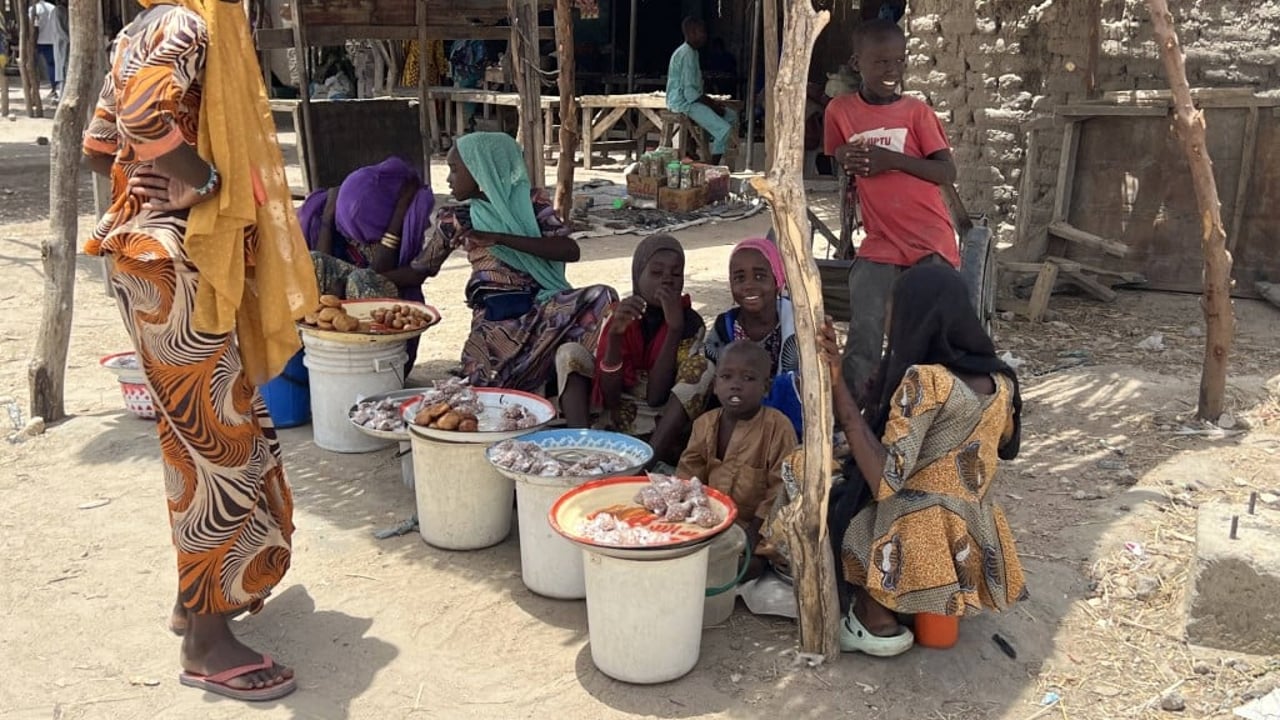
In the livestock markets of Bamako, the atmosphere is starkly different from previous years. Pens are largely empty as herders from the central Sahel or the regions of Kayes and Koulikoro hesitate to risk the dangerous journey. This scarcity has caused prices to surge, making the sacrificial sheep unaffordable for a growing number of families. To honor the religious rite, many residents are forced to rely on informal loans or pool their resources with relatives.
The inflation extends beyond livestock. Basic necessities such as sugar, oil, and traditional spices used during the festivities have seen their prices climb. This food inflation compounds a domestic economy already weakened by years of regional sanctions and a shift in national spending toward military efforts. Modest households are bearing the brunt of this crisis, often forced to reduce their consumption or skip festive traditions entirely.
Electricity shortages and daily hardships
Compounding the food crisis is a chronic shortage of electricity. The national utility company, Énergie du Mali (EDM-SA), is grappling with aging infrastructure and difficulties in securing fuel for power plants, leading to frequent blackouts. These outages, which can last for half a day or more, make it nearly impossible to preserve meat after the sacrifice, hurting small businesses and dampening the spirit of a holiday defined by family gatherings and sharing.
Fuel supplies, which rely heavily on corridors from Sénégal and Côte d’Ivoire, are also under pressure, causing prices to spike on the black market. Long queues have become a common sight at petrol stations, and the resulting shortages are affecting urban transport, delivery services, and the generators used by hospitals and shops. While the authorities have issued reassuring statements to prevent social unrest, the logistical bottlenecks remain difficult to resolve.
A political challenge for the transition government
For the transition leadership, Tabaski 2026 has become a critical test of authority. The ability to secure vital import corridors is now a matter of both national sovereignty and social stability. Observers note that the JNIM’s tactic of economic asphyxiation mirrors methods used in neighboring Burkina Faso, where towns like Djibo have faced similar blockades for months.
Ultimately, the upcoming holiday will be observed with a sense of restraint, far removed from the usual vibrant celebrations. Beyond the religious significance, the current situation highlights the resilience of Bamako as it navigates the complexities of an asymmetric conflict that is now playing out in its markets and fuel stations.