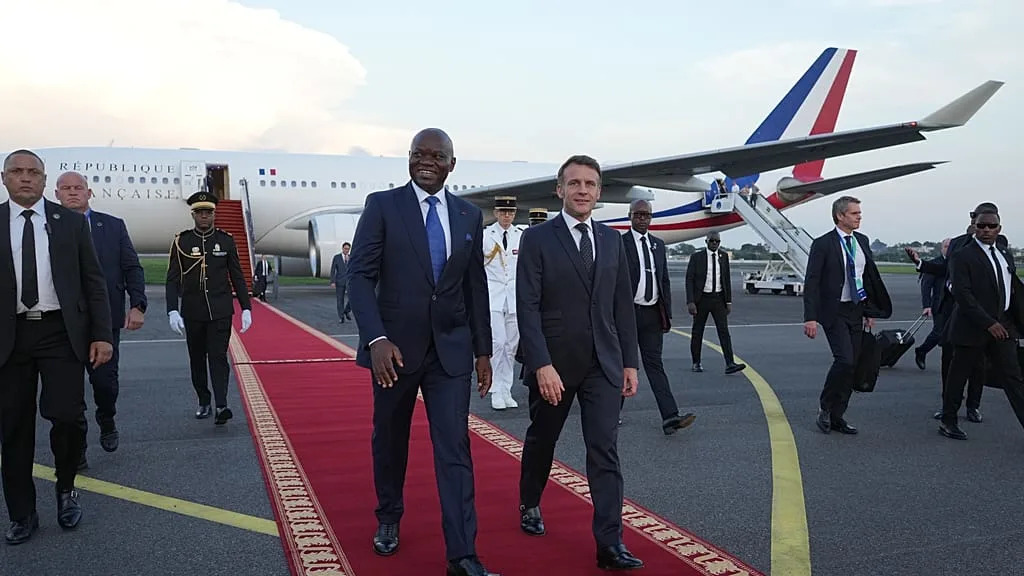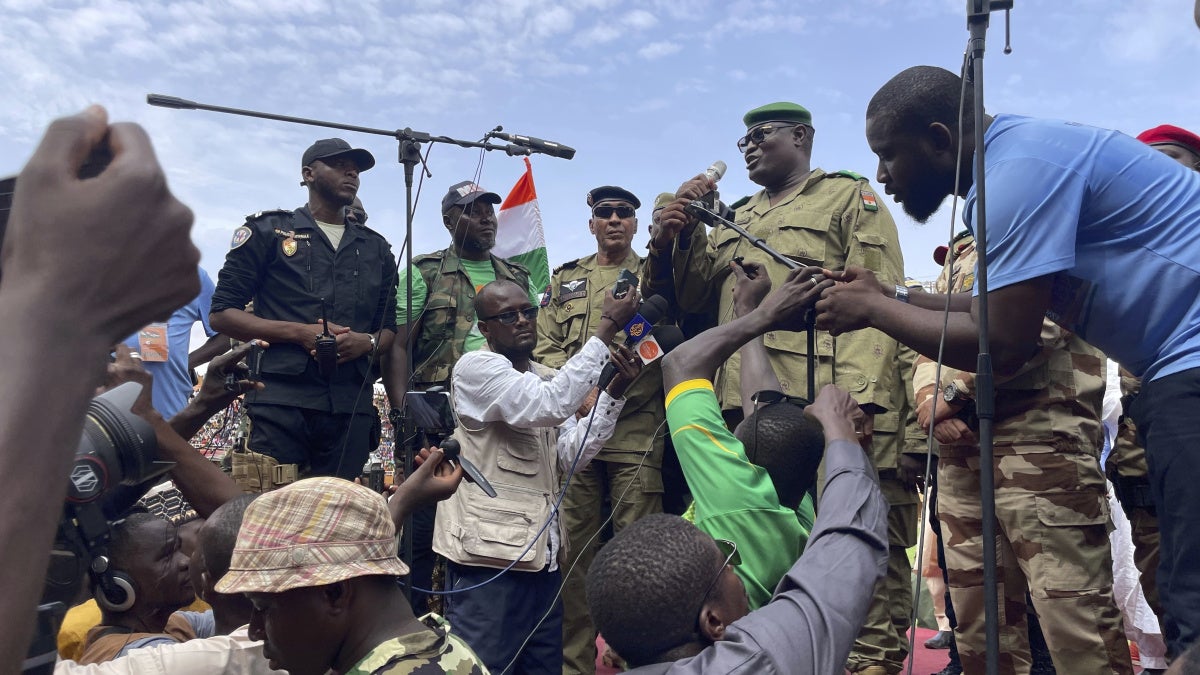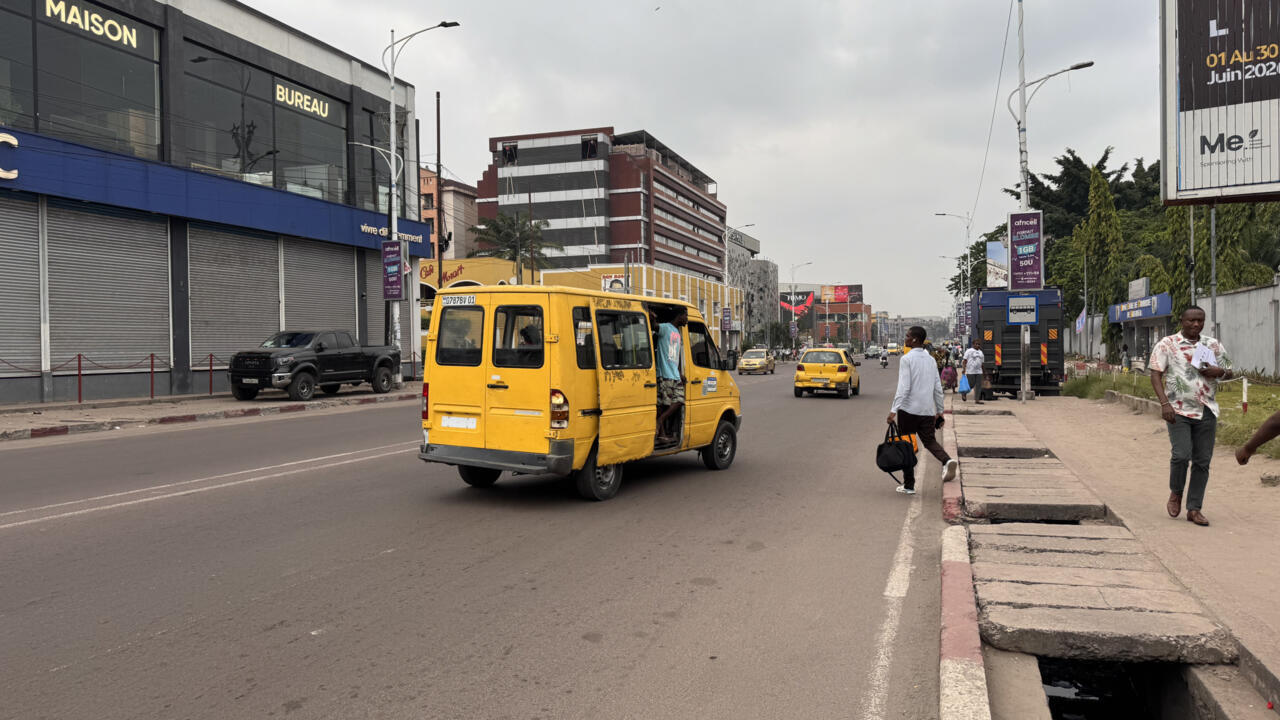
Kinshasa, the sprawling capital of the Democratic Republic of Congo (DRC), recently witnessed a pivotal moment in its political landscape: a widespread call for a “journée ville morte,” or “ghost town day.” Orchestrated by the opposition, this collective action aimed to vocalize strong disapproval against any potential amendments to the nation’s Constitution. The central question now facing observers of African politics is the true impact and efficacy of this strategic demonstration.
On June 3, 2026, the typically bustling streets of downtown Kinshasa presented a noticeably subdued scene. Traffic, often a chaotic torrent, was sparse, indicating a degree of public adherence to the opposition’s call. This visual evidence of reduced activity raises important questions about the overall success of the “ghost town day” initiative.
Was this particular approach a pertinent strategy for the opposition in its ongoing power struggle with the ruling government? The effectiveness of such a protest hinges not only on visible disruption but also on its ability to send a clear, undeniable message to the authorities and the international community. As the political tensions persist in the DRC, understanding the true impact of this “journée ville morte” is crucial for anticipating the next moves in this significant chapter of Central African politics.