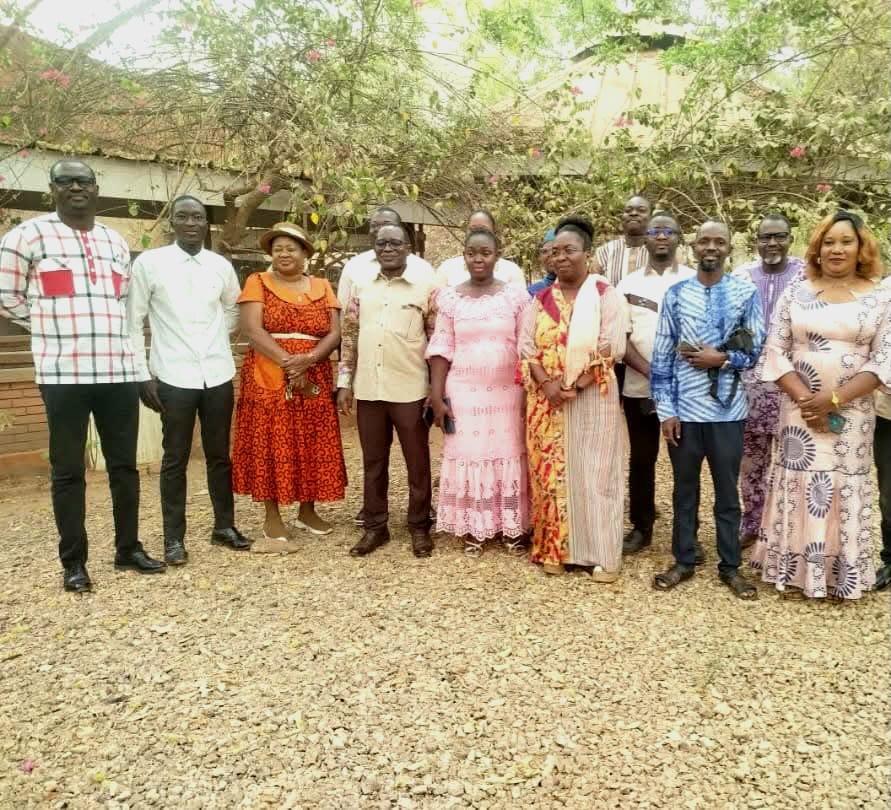
The African Media Network for the Promotion of Health and the Environment (REMAPSEN) hosted a significant dialogue on Tuesday, March 24, 2026, focusing on a pressing issue: “Security crisis and the decline of external aid: what internal alternatives exist to protect sexual and reproductive health and family planning rights in Burkina Faso?”.
As the security situation persists and international donors gradually pull back, Burkina Faso faces a critical hurdle in maintaining the availability of sexual and reproductive health (SRH) services.
Data from the Ministry of Health indicates that external partners previously provided nearly 81% of the funding in this sector. However, this financial support has dropped significantly in recent years, prompting national stakeholders to explore domestic financing strategies.
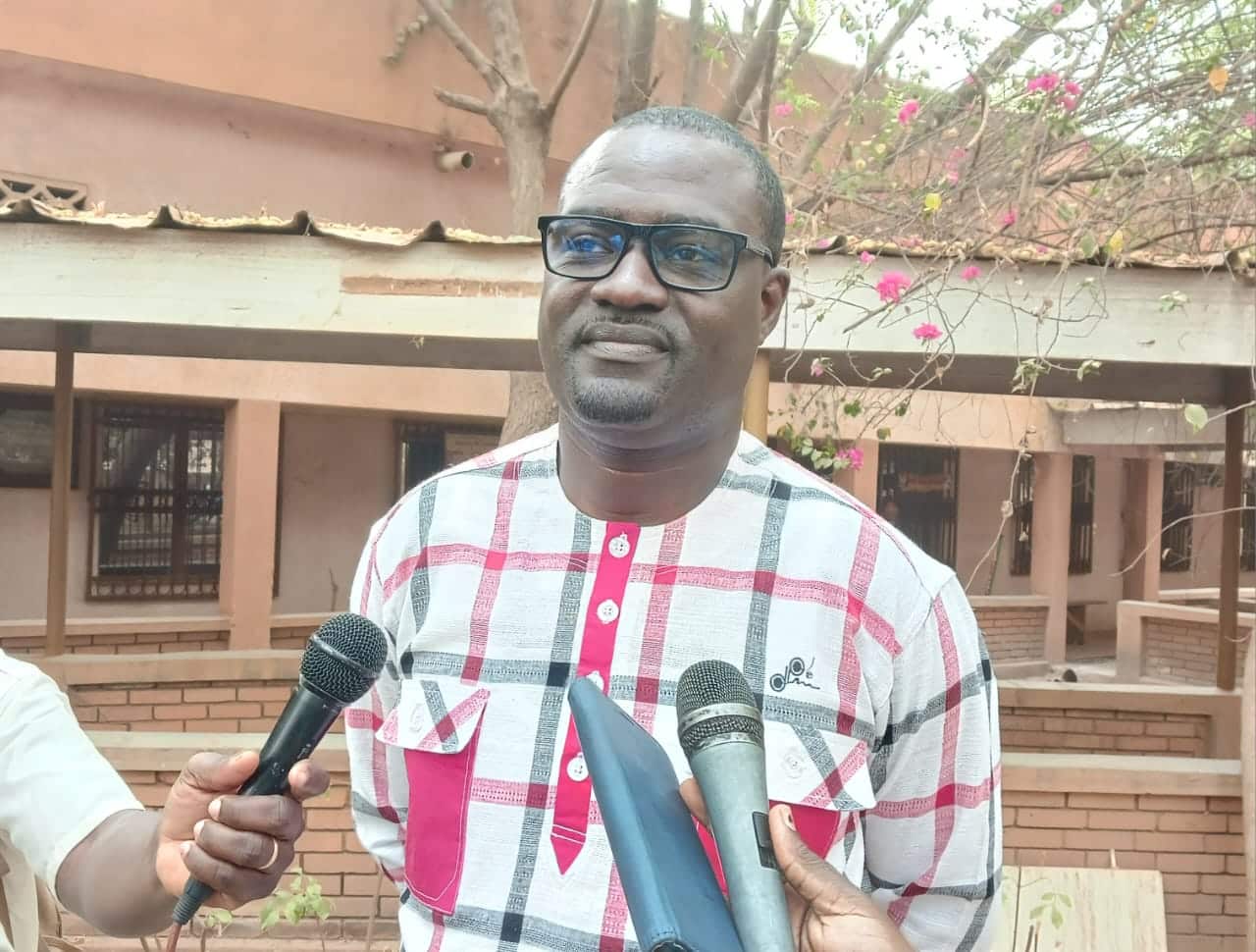
Désiré Thiombiano, the head of AMS synergie Burkina Faso, believes the solution lies in raising public awareness and fostering direct community participation.
He pointed out that “waiting for the return of international partners is no longer an option. We must take it upon ourselves to fund sexual health to prevent early pregnancies, child marriage, and maternal deaths,” he stated.
To achieve this, the expert suggested educating the public on the necessity of local resource mobilization, promoting positive masculinity by engaging religious and community leaders in advocacy, and formalizing community-based fund collection through local governments to ensure transparency and longevity.
Dr Clarisse Bougma, representing the director of family health, highlighted the efforts already made by the state. From 2020 to 2025, the government of Burkina Faso invested approximately 3.9 billion CFA francs into purchasing contraceptive products. Despite the reduction in foreign aid, the ministry intends to maintain its efforts, particularly in regions that are difficult to access.
See also 👉 Sexual and reproductive health: CAPSSR-BF trains journalists and communicators
“Prioritizing the mobilization of domestic resources is a strategic necessity. It will ensure the sustainability of our initiatives and speed up the achievement of global health targets,” she remarked.
Boureima Sanga, the coordinator for REMAPSEN Burkina Faso, noted that this exchange is part of a broader advocacy and capacity-building effort for members of the press.
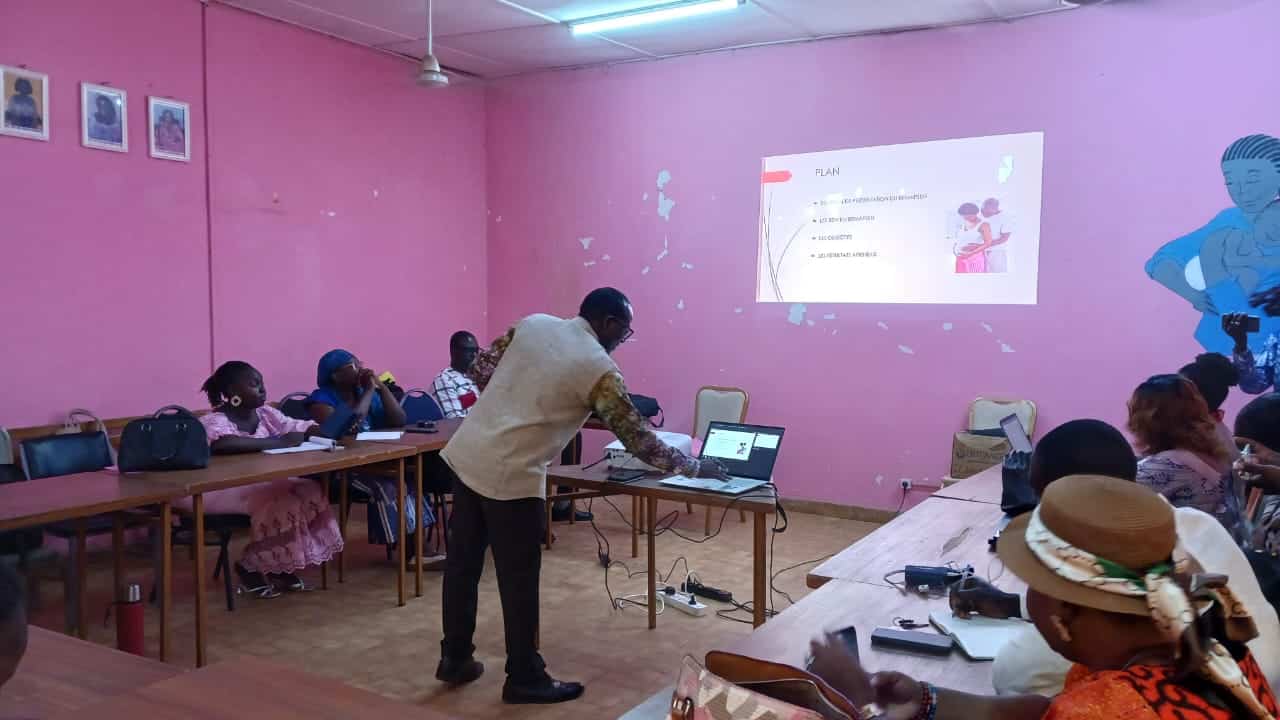
“In this period of multiple crises, it is vital for the media to be well-versed in local financing mechanisms to better inform the public and advocate for health sovereignty,” he said.
Founded in June 2020, the African Media Network for the Promotion of Health and the Environment (REMAPSEN) regularly organizes these sessions across the country, with the collaboration of the Ouagadougou Partnership, to encourage local and sustainable solutions.