Mali pioneers hybrid malaria vaccination strategy to combat child mortality
On World Malaria Day, Mali becomes the 20th African nation to introduce the malaria vaccine, but stands out as the first to implement a groundbreaking hybrid vaccination approach.
In 2023, Mali accounted for 3.1% of global malaria cases (8.15 million) and 2.4% of malaria-related deaths (14,328), ranking among the 11 countries with the highest disease burden worldwide. The new hybrid vaccination strategy will deliver the first three doses based on age, followed by two seasonal booster doses before the peak transmission period.
In Kalaban-Coro, Mali, health authorities launched this innovative approach in collaboration with Gavi, the Vaccine Alliance, UNICEF, and the World Health Organization (WHO). The hybrid vaccination model combines routine immunization for young children with seasonal boosters, precisely timed to coincide with Mali’s highest transmission months (July–December).
Initially, the R21/Matrix-M vaccine will be deployed in 19 priority districts across five regions: Kayes, Koulikoro, Mopti, Ségou, and Sikasso. Mali has secured 927,800 vaccine doses for this rollout.
Why the hybrid vaccination approach?
Mali faces highly seasonal malaria transmission, with most cases occurring between July and December. The hybrid model ensures children receive maximum protection during peak risk periods by aligning vaccine efficacy with transmission cycles. Evidence from Malian trials confirms this strategy enhances vaccine impact.
Global malaria burden and Mali’s role
The WHO’s 2024 World Malaria Report highlights Mali’s significant burden: 3.1% of global cases and 2.4% of deaths in 2023. The country was among eight nations where malaria cases surged by 1.4 million between 2019 and 2023. The African Region bears 94% of global malaria cases and 95% of deaths.
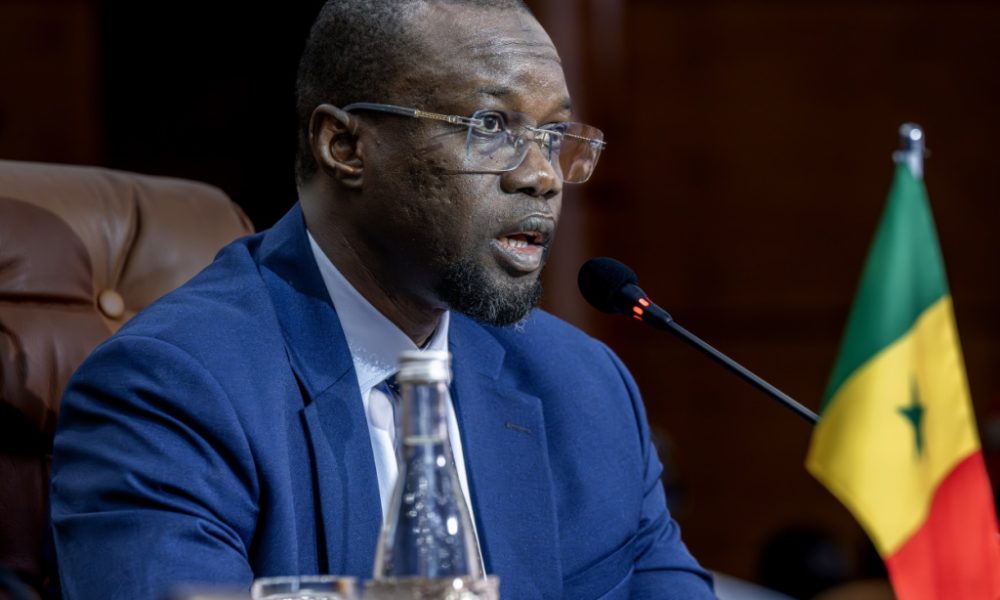
During the launch event, Mali’s Minister of Health and Social Development, Colonel Assa Badiallo Touré, praised partners like Gavi, the Global Fund, UNICEF, and WHO for their unwavering support. She emphasized the collaborative efforts behind this milestone and Mali’s commitment to scaling up the program nationwide.
Expert reactions to Mali’s vaccination breakthrough
Gavi’s leadership in malaria vaccination
Dr. Sania Nishtar, Gavi’s CEO, commended Mali’s initiative: “Gavi applauds Mali’s dedication to saving lives and reducing malaria’s devastating impact on families and communities. With 20 countries now deploying malaria vaccines and over 24 million doses delivered, sustained funding is critical to ensure equitable access. As long as resources permit, Gavi remains committed to fighting one of Africa’s deadliest diseases.”
UNICEF’s community mobilization efforts
Dr. Pierre Ngom, UNICEF Representative in Mali, noted: “This vaccine launch marks a historic moment for Malian children. After 35 years of research, we finally have a powerful tool to protect them. While the vaccine is a major advancement, it complements existing prevention measures like insecticide-treated nets and seasonal chemoprevention.”
UNICEF is leveraging digital tools like U-Report chatbots to engage communities, combat misinformation, and promote vaccination uptake.
WHO’s validation of malaria vaccines
Dr. Patrick Kabore, WHO Representative in Mali, called the vaccine “one of the most significant public health breakthroughs,” adding it strengthens existing malaria control strategies such as indoor residual spraying and intermittent preventive treatment during pregnancy.
Malaria vaccination progress across Africa
Mali’s hybrid approach follows Uganda’s recent large-scale rollout, with over 24 million vaccine doses distributed across Africa since 2023. The 20 countries now using malaria vaccines represent 70% of the global burden, underscoring the urgent need for new tools. By late 2025, 13 million additional African children are expected to be protected, with Gavi aiming to vaccinate 50 million more by 2030 if funding allows.
Key facts about malaria vaccines
- Safety and efficacy: WHO-prequalified vaccines (RTS,S/AS01 and R21/Matrix-M) have demonstrated over 50% reduction in malaria cases during the first year, with a fourth dose extending protection. In high-transmission areas, seasonal administration achieves up to 75% efficacy.
- Target group: Children under five are most vulnerable, accounting for 75% of malaria deaths. The vaccines target P. falciparum, the deadliest malaria parasite in Africa.
- Implementation strategies: Countries like Nigeria and Chad are integrating malaria vaccines into broader child health programs, while fragile contexts (e.g., Sudan, DRC) are embedding them into emergency response plans.