Mali’s junta targets key jihadist figures with unprecedented bounty
The government in Bamako has escalated its crackdown on armed groups by announcing substantial cash rewards for the capture or elimination of top leaders allegedly behind recent co-ordinated attacks that left the country’s defence minister dead.
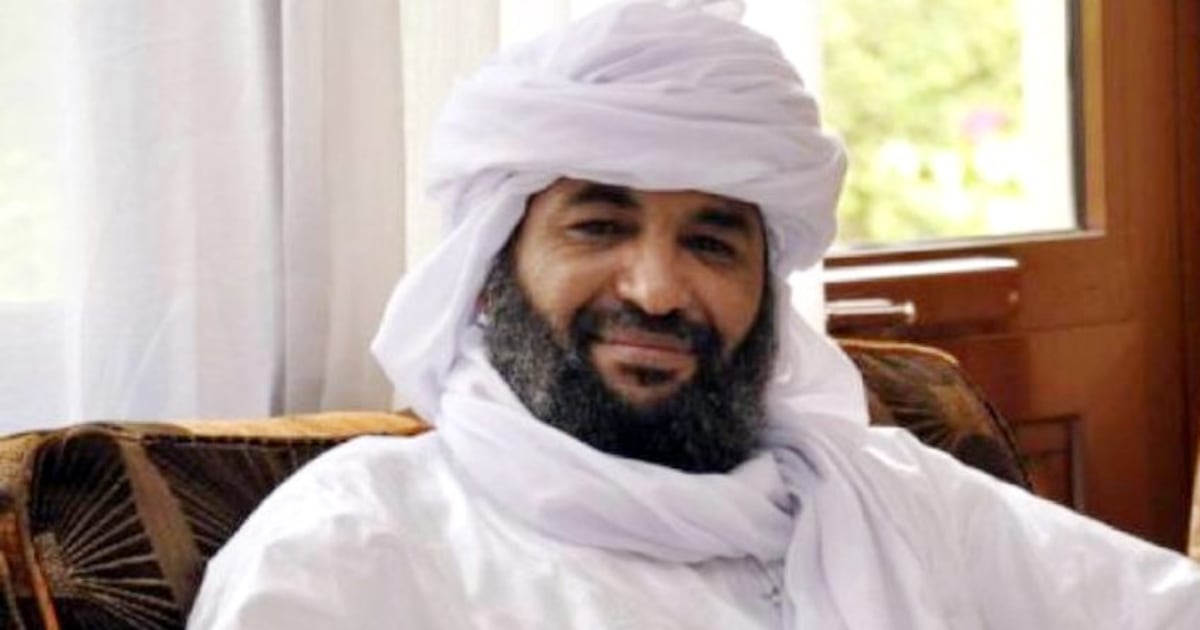
The Jama’at Nusrat al-Islam wal Muslimin (JNIM), led by former Tuareg rebel and diplomat Iyad Ag Ghaly, remains Mali’s most-wanted militant faction. Designated a terrorist organisation by the United Nations, the United States and the International Criminal Court (ICC), JNIM faces accusations of war crimes and crimes against humanity.
Alongside JNIM, the Front de Libération de l’Azawad (FLA), a predominantly Tuareg rebel movement, has been linked to the recent surge in violence. Attacks on 25 and 26 April struck strategic positions across multiple regions, marking one of the most intense assaults on state infrastructure in recent years.
Among the casualties was Sadio Camara, Mali’s Defence Minister, killed in a suicide bombing while inspecting frontline positions. His death underscores the fragility of the junta’s hold in a nation grappling with spiralling insecurity since 2012.
Government announces bounties for leading figures
In a televised address on Thursday, authorities disclosed cash rewards for the capture or elimination of six key figures, including:
- Amadou Kouffa (€2.2 million), a senior JNIM commander
- Alghabass Ag Intalla, a high-ranking FLA leader
- Bilal Ag Cherif, another prominent FLA commander
The statement from the Ministry of Security and Civil Protection emphasised the rewards for “reliable, actionable intelligence” leading to the arrest or neutralisation of the wanted individuals. It described them as actively sought for their alleged roles in planning and executing attacks that endangered lives and property nationwide.
These measures reflect the junta’s intensified efforts to dismantle militant networks fuelling instability across Mali. Since 2012, the country has faced a protracted security crisis driven by JNIM, the Islamic State’s local affiliate and a patchwork of communal armed groups.