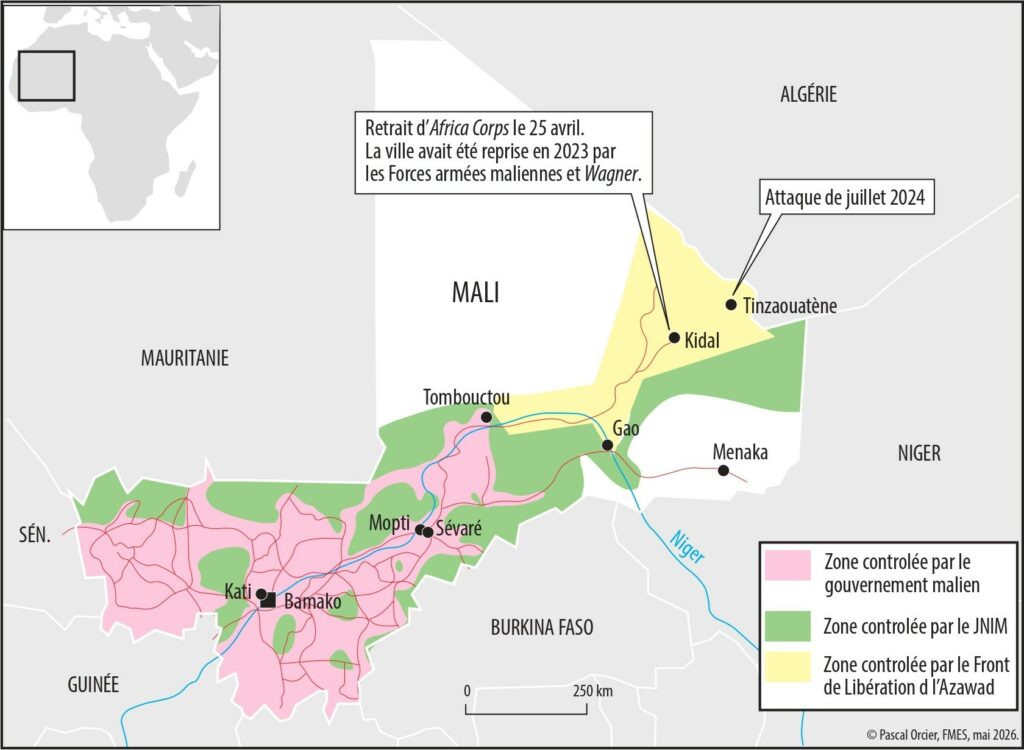
The coordinated assaults by Jama’a Nusrat ul-Islam wa al-Muslimin (JNIM) and the Front de libération de l’Azawad (FLA) on April 25, 2026, signify a profound strategic shift in Mali’s security landscape, unparalleled since 2012. By simultaneously striking key locations such as Bamako, Kati, Kidal, Gao, and Sévaré, these groups have starkly highlighted the limitations of a security framework heavily reliant on external partners. The subsequent re-capture of Kidal significantly undermines the Malian junta’s claims of legitimacy and reveals the inherent weaknesses of its partnership with Russia in confronting jihadist threats. While a full military takeover of Bamako appears unlikely in the immediate future, JNIM is clearly engaged in a protracted war of attrition. This escalating instability poses a growing risk of regional contagion, exerting immense pressure across the entire Sahel region and on the coastal states of the Gulf of Guinea.
The tightening grip on Bamako
The synchronized offensive by JNIM and FLA on April 25, 2026, represents a significant escalation of insecurity across Mali. These simultaneous and unforeseen attacks, targeting Bamako, Kati, Kidal, Gao, and Sévaré, are part of a continuous deterioration observed since 2020, a trend exacerbated by the junta’s rise to power in August of that year.
Initially operating primarily in Mali’s northern rural areas, JNIM has steadily enhanced its capability to strike further afield with increased intensity and coordination. In recent years, its operations have expanded westward and southward into regions previously considered relatively safe. The group’s influence now extends beyond Malian borders, reaching coastal nations such as Togo, Bénin, and Nigeria. Concurrently, the number of attacks attributed to JNIM, particularly those targeting the Malian Armed Forces (FAMA), has sharply risen. In July 2024, FAMA, supported by the Russian Africa Corps, suffered a notable defeat against a coalition comprising JNIM and the CSD-DPA. Since then, JNIM has launched a series of assaults on military bases in diverse locations, from Tombouctou in the north to Bamako in the south, and as far west as Kayes. Meanwhile, FAMA has also augmented its capabilities, notably through the acquisition of Bayraktar drones from Turkey, though these assets offer only limited territorial surveillance.
Since September 2025, JNIM has implemented an economic strangulation strategy against Bamako, a capital city of approximately 3.2 million residents. This involves disrupting logistical routes and targeting fuel convoys, with the ultimate aim of gradually eroding the government’s legitimacy. By directly impacting the population’s living conditions, particularly through rising fuel prices and associated economic disruptions, JNIM seeks to weaken the junta’s credibility while positioning itself as a viable alternative. As the junta’s authority diminishes in both rural areas and Bamako, JNIM increasingly appears as a credible option for governance in the eyes of the populace. The blockade of the capital effectively stages the state’s perceived impotence. JNIM’s goal is not to seize the capital by force, but to demonstrate the existence of an alternative form of authority. In areas under its control, the group has established a parallel administrative structure based on Islamic justice, taxation, and trade regulation, enabling it to present itself as a concrete alternative to an absent state.
A military takeover of the capital remains improbable for now, given JNIM’s estimated strength of 5,000 to 6,000 fighters compared to a city that concentrates the majority of Mali’s security forces and infrastructure. JNIM also lacks sufficient popular support, especially in urban centers. However, targeted attacks against Modibo Keita International Airport, which hosts the Africa Corps base, could become more frequent. Conversely, rural areas, characterized by minimal state presence, provide a fertile ground for the group’s entrenchment. Furthermore, the Bamako blockade suggests that military capture of the capital is not a short-term objective; instead, the strategy relies on a predominantly psychological war of attrition. The increasing pressure on Bamako serves to concentrate FAMA’s responses there, thereby easing their grip on other parts of the territory.
Kidal’s recapture and the narrative’s erosion
The April 25 attacks underscore this surge in militant capability. In Kati, the epicenter of Malian military power, Defense Minister Sadio Camara was killed. In Bamako, Modibo Keita Airport sustained strikes. Most significantly, in Kidal, JNIM and FLA regained control of the city, which FAMA and Wagner had triumphantly recaptured in 2023, presenting it as a historic victory. This strategic reversal is unprecedented since 2013, forcing Africa Corps elements to withdraw from both Kidal and Gao. The pressing question now is whether FAMA possesses the capacity to retake the city in the coming weeks.
Kidal’s recapture by JNIM evokes the dynamics of 2012, when Tuareg rebels and jihadist groups initially collaborated before ideological differences led to their fragmentation. JNIM advocates for the implementation of Sharia law, while Tuareg rebels champion an autonomist agenda centered on Azawad. Kidal then became a symbol of this division, contested by both factions. These divergences persist today, yet the identification of common adversaries—the junta and its Russian partners—has fostered an opportunistic tactical convergence. Signs of rapprochement between the groups had circulated as early as March 2025. According to Wassim Nasr, an expert on jihadist movements, negotiations reportedly took place in December 2024 with the aim of combining efforts. The durability of this opportunistic coalition and its ability to maintain control of Kidal remain uncertain.
These attacks occurred despite an alleged truce that was supposed to be signed in late March 2026 between JNIM and the Malian government. This agreement reportedly involved the release of several
Related Posts
Niger’s rental price freeze risks deepening housing crisis
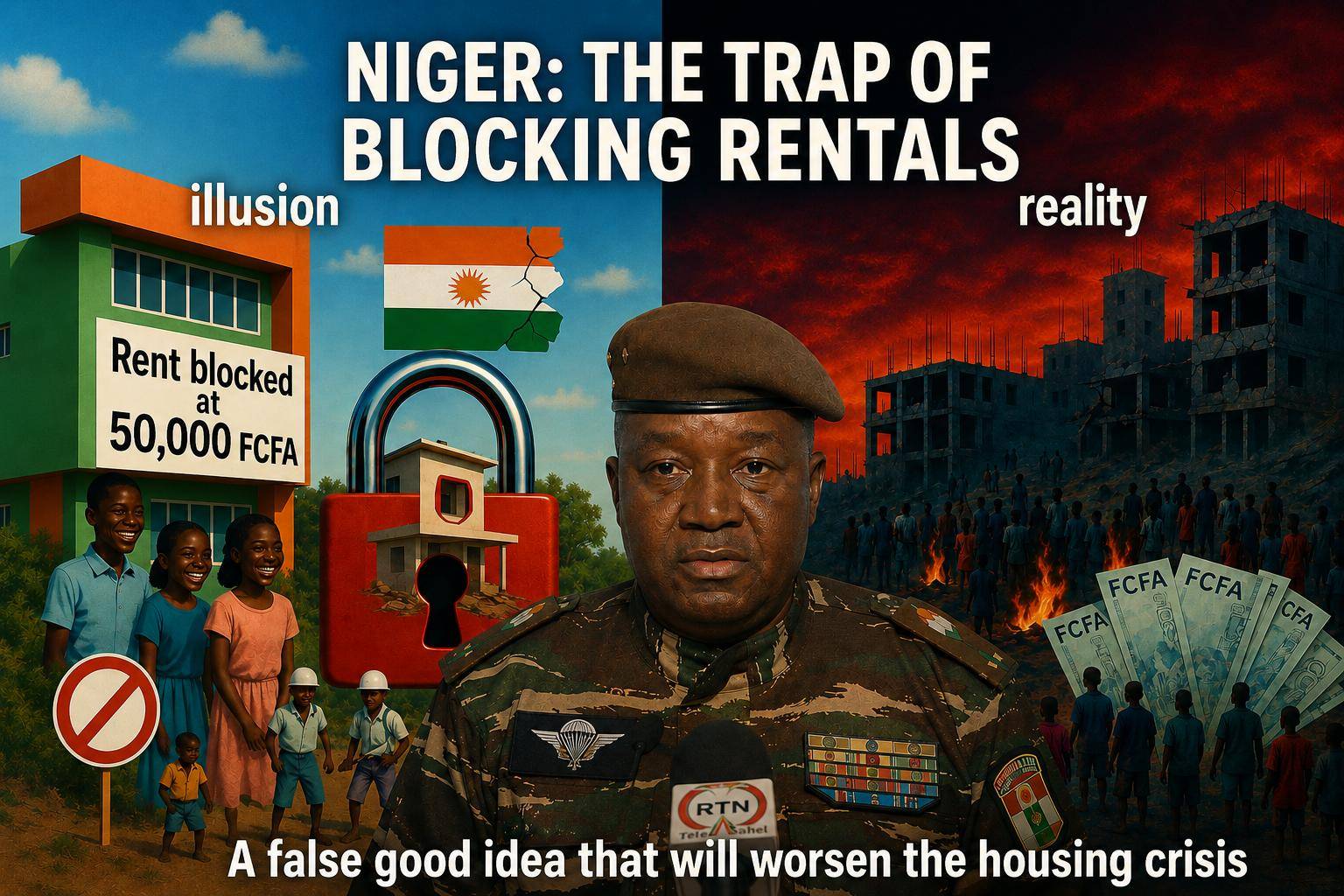
In a move aimed at winning public favor, Niger’s transitional authorities have enacted a decree capping residential rents in Niamey between 15,000 and 80,000 West […]
Soaring election fees block african opposition candidacies
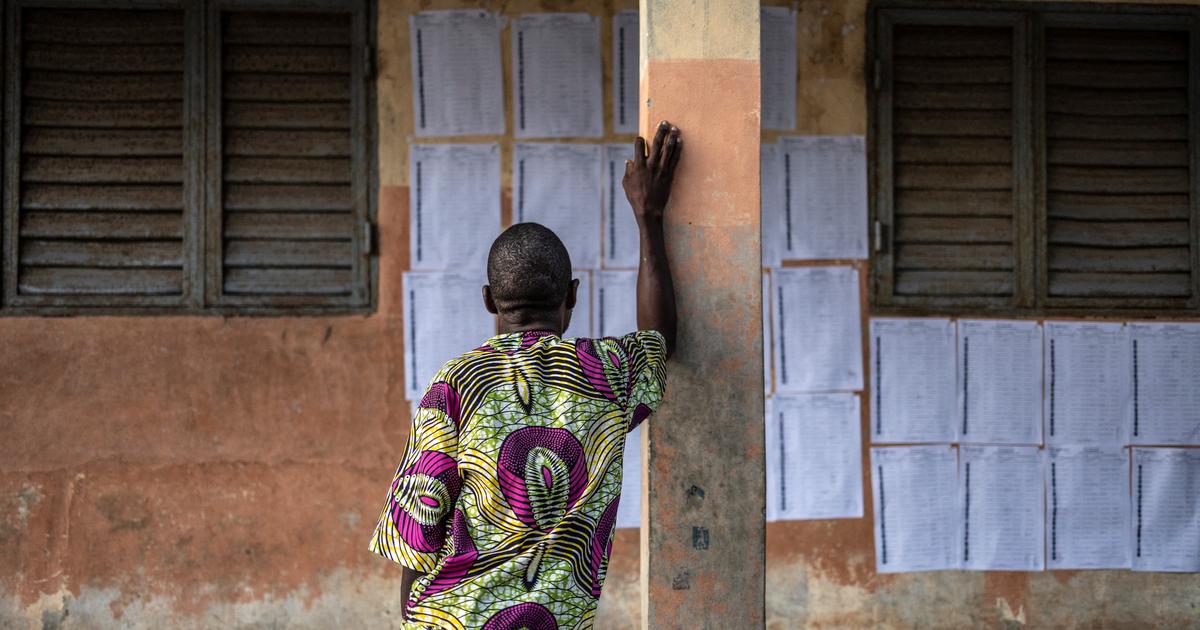
Predictable outcomes, lack of suspense, first-round victories for incumbents. The presidential elections held across Africa in 2025 revealed a disturbing trend: opposition candidates were systematically […]
Algeria and Chad boost infrastructure ties with new agreement
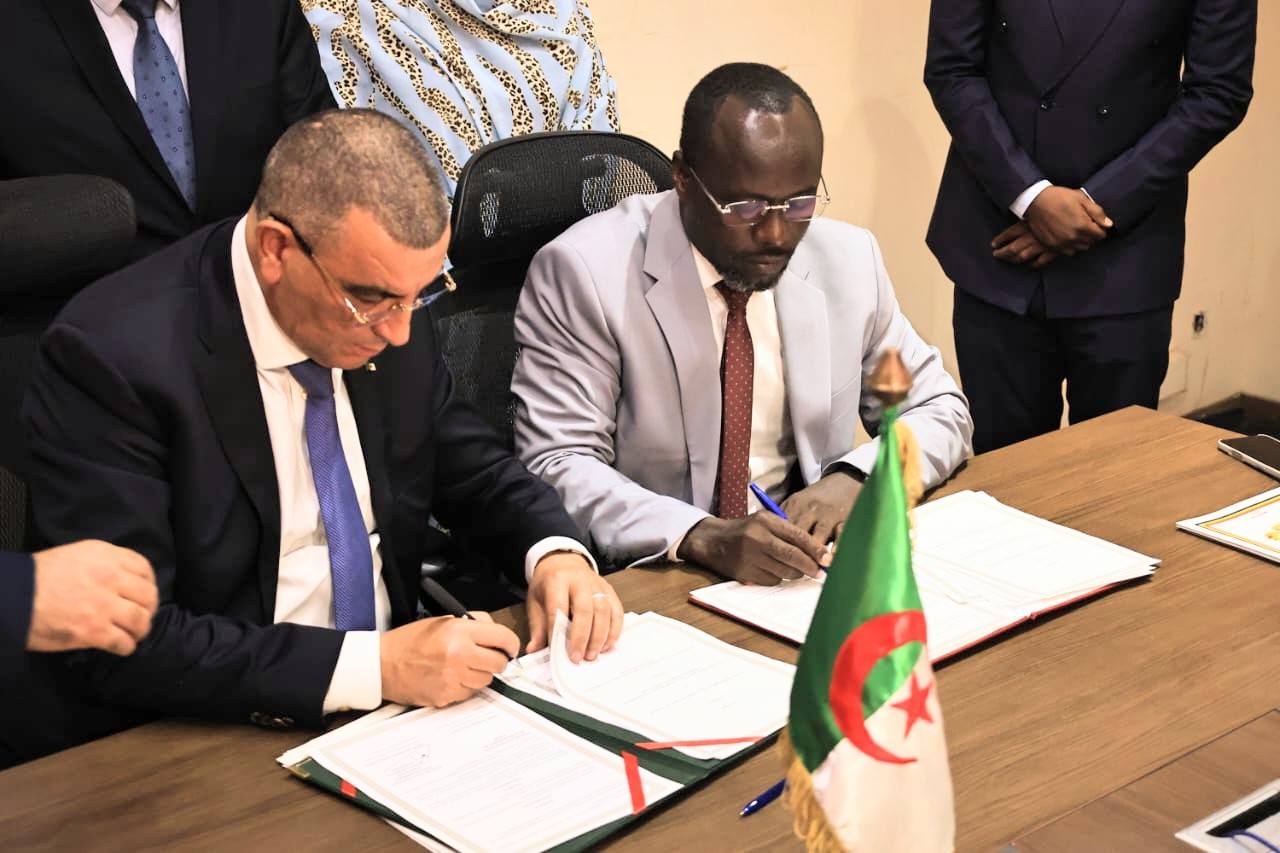
The Governments of Algeria and Chad have inked a landmark agreement in N’Djamena, Chad, to fast-track joint infrastructure projects, particularly in public works and transportation. […]