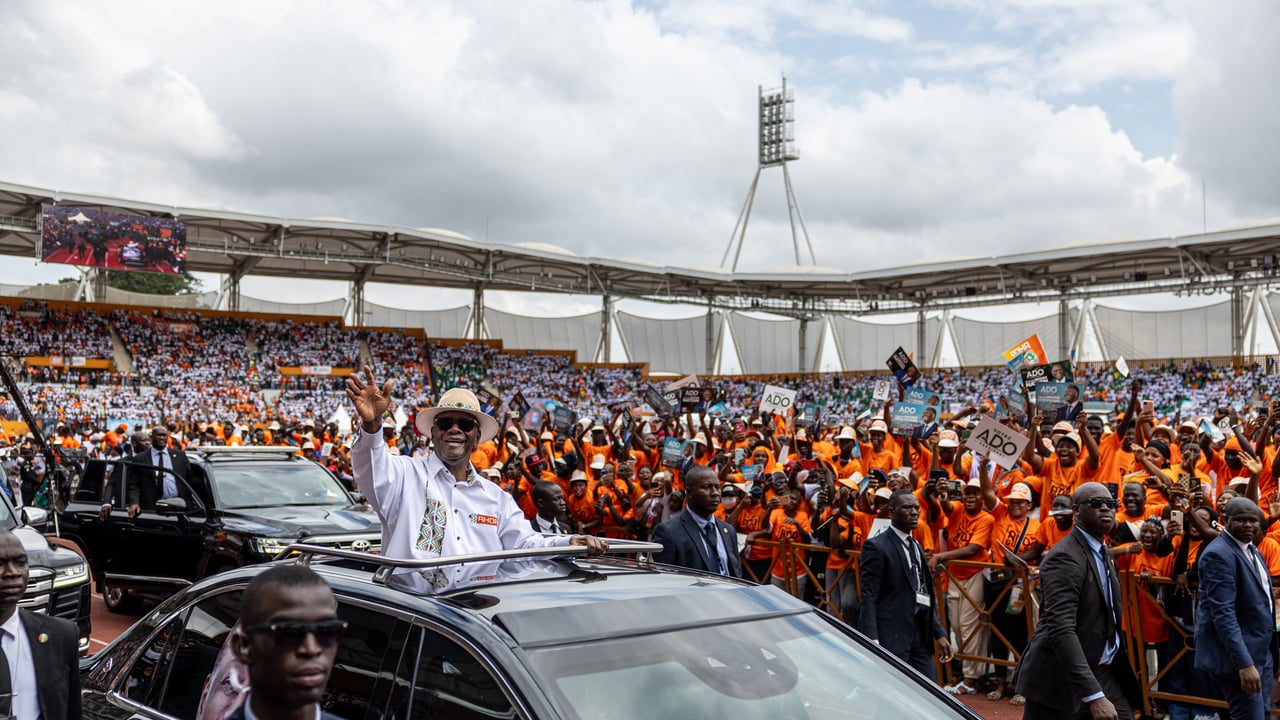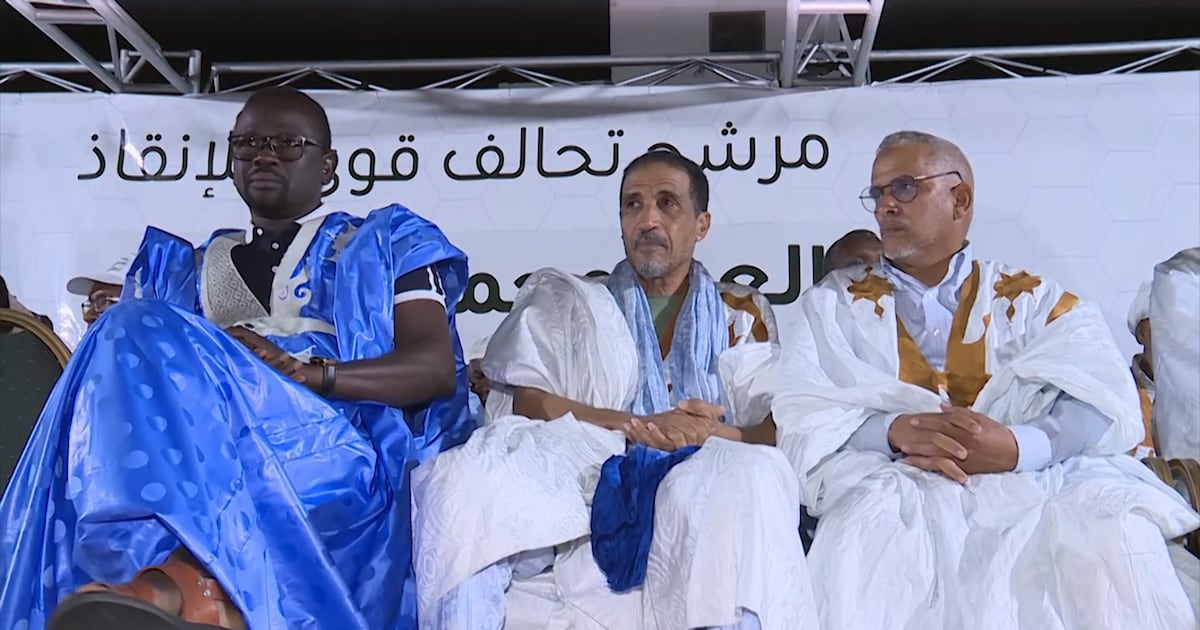
With the recent appointment of Professor Mohamed Maouloud as the new leader of Mauritania’s opposition coalition, the country finds itself at a pivotal moment. His arrival follows a massive rally in Nouakchott that drew tens of thousands of supporters, signaling strong public engagement in the nation’s political landscape.
Mounting pressures on Mauritania’s leadership
The newly elected president of the Coalition of the Opposition for Democratic Change (PCOD) inherits a nation grappling with a series of daunting challenges. A stalled national dialogue process, the resurgence of divisive identity-based rhetoric, and escalating security concerns in the eastern regions bordering Mali have created a complex web of crises.
Adding to these pressures are the economic hardships faced by citizens, compounded by soaring living costs that have eroded purchasing power across the country. Maouloud has openly expressed his concerns about the current political climate, emphasizing the urgent need to break the impasse in dialogue that has left key national issues unresolved.
Dialogue paralysis tops the agenda
The immediate priority for the PCOD’s new leader is to revive the stalled national dialogue, which he describes as being deliberately obstructed by the ruling majority coalition. A key sticking point remains the debate over a potential third presidential term—a subject constitutionally prohibited and absent from the national reform agenda.
Maouloud has issued a stern appeal to President Mohamed Cheikh El Ghazouani, urging him to assume leadership in overcoming this deadlock. The opposition leader argues that without a functional dialogue framework, Mauritania’s other pressing issues—including security, economic stability, and national cohesion—cannot be effectively addressed.
A nation under strain: security and social unrest
The PCOD’s leadership highlights three critical areas demanding urgent attention. First, the surge in identity-driven discourse, amplified by social media, threatens to deepen social divisions and undermine national unity. Second, the volatile security situation in the eastern border regions, exacerbated by instability in Mali, has led to an influx of refugees and the closure of key border crossings, disrupting traditional transhumance routes for Mauritanian herders. Third, widespread economic difficulties continue to strain households nationwide, with rising prices and limited job opportunities fueling public discontent.
The coalition’s new president has pledged to prioritize these challenges, positioning them as the cornerstone of the opposition’s strategy to restore stability and foster inclusive governance.