measles outbreak surge in Niger: causes and response
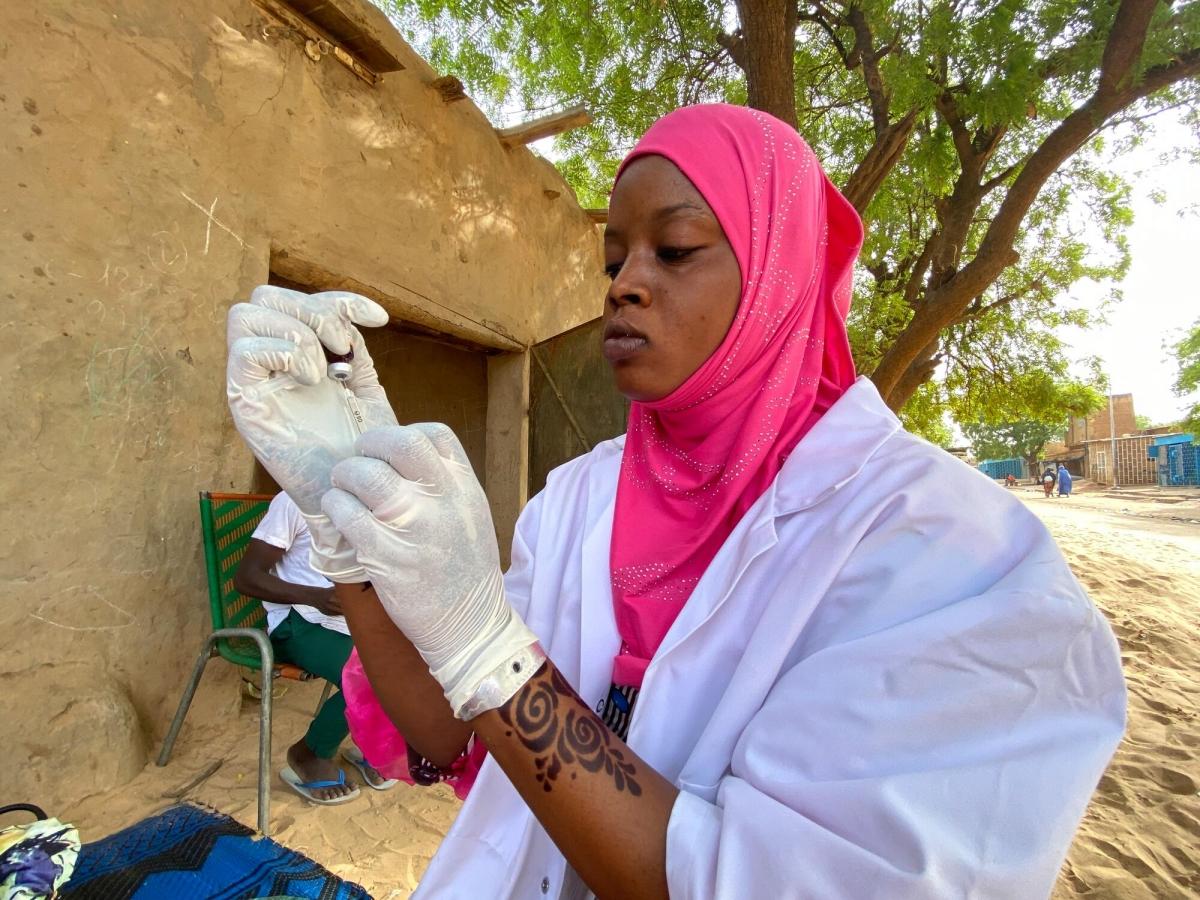
Dr. François Rubona, Medical Coordinator for Médecins Sans Frontières (MSF) in Niger, highlights the urgent response to an early surge in measles cases. Since February, MSF teams have intensified vaccination campaigns across multiple regions to curb the epidemic.
How severe is the measles outbreak in Niger?
Niger is currently grappling with an alarming surge in measles cases compared to last year. According to Niger’s Ministry of Public Health, 3,213 cases were recorded in the first quarter of 2021—nearly three times the 1,081 cases reported during the same period in 2020. By April, suspected measles cases exceeded 6,000, resulting in 15 deaths. A total of 27 out of 73 health districts are now classified as measles epidemic zones, with the hardest-hit regions being Agadez, Dosso, and Tahoua.
Measles, the most contagious viral disease globally, remains a leading cause of child mortality. The World Health Organization (WHO) recommends a 95% vaccination coverage to prevent outbreaks. However, many health centers in Niger report vaccination rates as low as 50%. In areas like Diffa, Tillabéry, and Tahoua, security challenges—including population displacement—have disrupted access to primary healthcare, further reducing vaccination rates. The ongoing Covid-19 pandemic has compounded these issues, imposing additional constraints on routine and catch-up vaccination campaigns.
What challenges are MSF teams facing?
The onset of Covid-19 in Niger in March 2020 sparked widespread fear, leading to a decline in health center visits. This drop translated into fewer mothers bringing their children for routine vaccinations. The pandemic also strained healthcare resources, as medical staff tested positive or were exposed to the virus, reducing available personnel. With priorities shifting toward Covid-19 response, preventive measures like vaccinations suffered. Additionally, supply chain disruptions due to border closures and restrictions delayed the import of essential medical supplies. To address the measles outbreak, MSF has already imported nearly 700,000 vaccine doses into Niger.
A concerning trend has emerged in recent weeks: low community participation in vaccination efforts. Misconceptions linking measles vaccines to Covid-19 vaccinations have fueled hesitancy, particularly in Niamey and Tillabéry. To counter this, MSF has ramped up community engagement and awareness campaigns, emphasizing the severity of measles and the critical need for childhood vaccination to break transmission chains.
What does the future hold for Niger’s measles epidemic?
The current situation in Niger remains dire, reflecting a significant drop in routine vaccination coverage—similar to the decline observed in meningitis cases, with over 1,100 reported cases. If routine or catch-up vaccinations are not restored, the consequences could persist for years. As Niger approaches peak malaria and malnutrition seasons, monitoring disease trends is critical. Last year’s malaria peak was particularly severe in both scale and duration, extending into January 2021—longer than usual.
The combination of these factors, along with alarming food security and malnutrition projections for 2021, demands heightened vigilance. Even regions less affected by armed conflicts, such as Maradi and Zinder, require urgent attention from donors and health organizations.