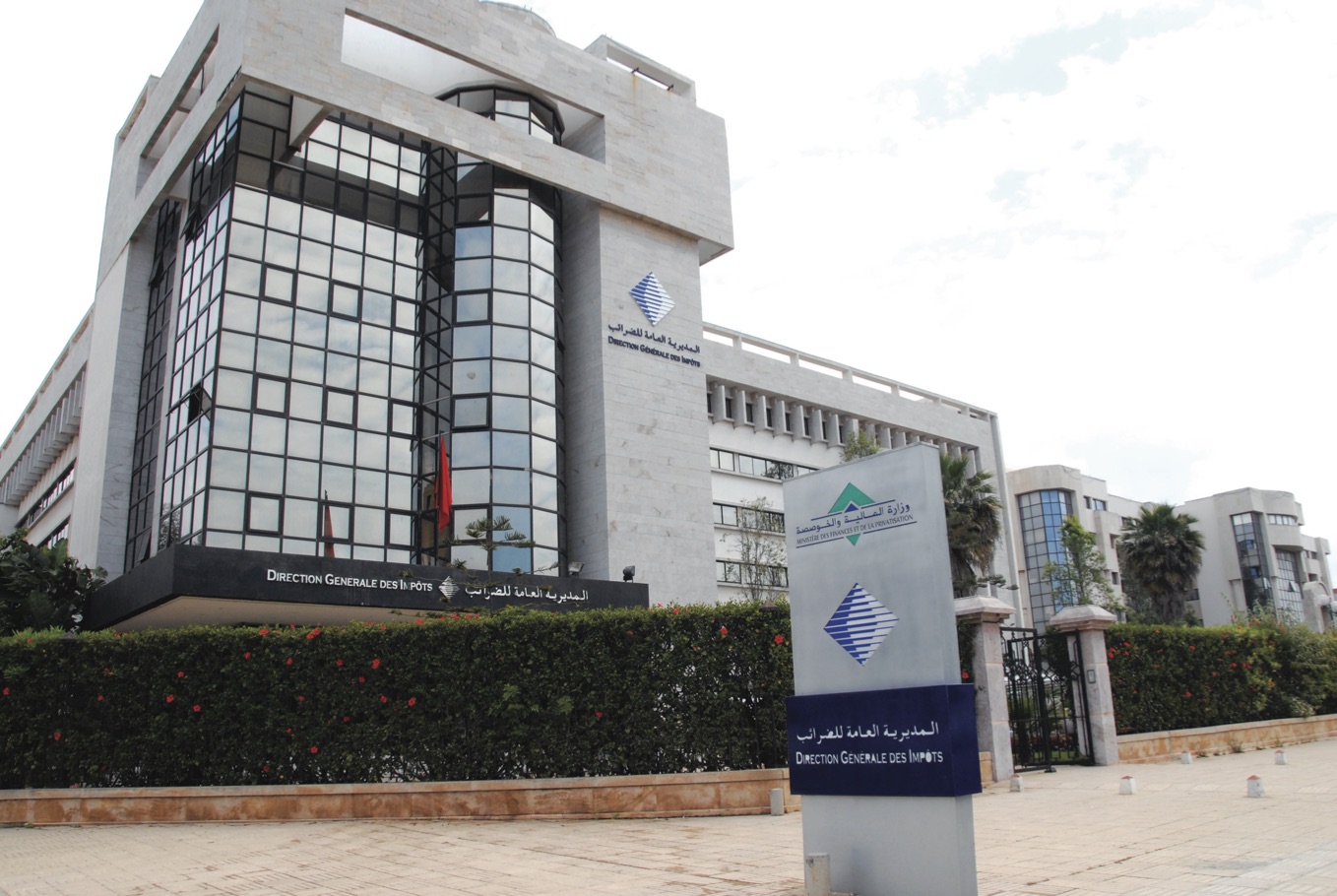
Social media platforms and digital services like Meta, X, Instagram, TikTok, Netflix, Spotify and Airbnb have become extensions of daily life worldwide. They are not just entertainment or social tools; they are powerful economic machines often beyond traditional state regulation. In Morocco, this shift is now concrete. On June 11, 2026, the General Directorate of Taxes launched its platform for taxing digital services, ending years of fiscal uncertainty.
The idea that the virtual can generate real economic value once seemed abstract. Yet Nobel Prize winner Paul Romer argued that technical progress is not accidental; it results from rational economic calculation. Social networks, born in research hubs like MIT, Harvard and Silicon Valley, embody this dynamic. They were designed, funded and deployed for profitability.
Statistics illustrate the scale. More than 36.5% of all Internet time is now spent on social media. Nearly half of users connect with friends, a third pass time or get news. Behind these uses lies an advertising windfall representing about 85% of platform revenues, and it keeps growing.
Businesses large and small have recognized this opportunity. Globally, 90% of companies using social media report benefits. The influencer marketing market was worth $16.4 billion in 2022, twenty times more than in 2015. Influencers boast engagement rates of 96%, far higher than brand-published content.
Morocco is not on the sidelines. With 23.8 million social media users (63.4% of the population), the country is a major market. In January 2022, YouTube had about 21.5 million users, Facebook Messenger 8.35 million, and TikTok 5.97 million users over 18. These are not just numbers; they represent communities and potential customers. As Mohcine Benachir, CEO of Prestige Informatique, notes, ‘We are increasingly facing a digital economy that is becoming a real issue in Morocco.’ Transactions via social platforms are now an undeniable economic reality. Any company wanting to grow must be present there.
Investment in digital advertising reflects this. A 2024 study shows that digital now accounts for nearly 17% of marketing budgets. Social media ad purchases are the main tools used, and the market is moving away from outsourcing. However, this financial windfall largely escapes the national economy.
The fiscal paradox: giants that pay no tax
Local news sites are strangled by tech giants like Facebook and Google, who dominate online advertising with 60-70% market share. In 2022, Google alone had $60 billion net profit from online ads. Yet neither Google nor Facebook pay tax in Morocco.
As one source explains, ‘Social media is virtual in access but very real economically. The problem is that these digital behemoths are not established in Morocco, so we have no control and cannot negotiate with them.’ When a Moroccan company advertises, it pays Meta in foreign currency. That currency leaves the country and never returns—a fiscal and monetary black hole. In 2018, a special commission of the tax authority and the exchange office looked into taxing Gafam advertising revenues, but since then it was status quo.
Local players called for awareness. Mounir Jazouli, former president of GAM, warned about the need for local publishers to pool forces to compete with Gafam. He argued for offering Moroccan advertisers efficient technological platforms and services to rival those of Gafam, and for reinventing business models, such as conditioning article reading on ad video viewing.
The turn of June 2026: VAT on digital services
This fiscal vacuum ended on June 11, 2026. The DGI launched its ‘Taxation on digital services’ platform via the SIMPL portal. Foreign digital service providers—Netflix, Spotify, Google, Meta, Airbnb, Uber and others—must now declare their Moroccan turnover and pay the corresponding VAT. This device, provided for by Article 28 of Decree No. 2-25-862 published in the Official Bulletin in December 2025, imposes several obligations. Providers must register on the platform for a tax ID, submit quarterly turnover declarations before the end of the first month of each quarter, and maintain a detailed record of services provided for tax inspection.
The DGI provided a guide for operators. Beyond the technical aspect, this is a strong political and economic signal. Morocco joins about thirty countries that have chosen to tax digital giants, often following OECD recommendations. In 2022, a World Bank report estimated that full digitization in the MENA region could increase GDP per capita by at least 46% over thirty years, a gain of $1.6 trillion, and reduce friction unemployment from 10% to 7% in six years.
Ouassim Driouchi, Telecoms and Innovation partner at BearingPoint, explains: ‘The entry into force of VAT on foreign digital services is not a Moroccan exception but a healthy convergence towards OECD standards and practices already in force in the EU or South Africa. Beyond estimated fiscal revenue of 500 million to 1 billion dirhams, the real issue is repairing a historical competitive asymmetry. For years, Moroccan startups, local media and digital service providers were taxed from the first dirham of revenue while facing giants with a de facto 20% competitive advantage. This reform is essential to protect local innovation and clean up economic competition in Morocco.’
The stakes: sovereignty, currency and economic model
Taxing Gafam is not just about fiscal revenue. It touches on economic sovereignty and development model. As a source reminds, ‘It’s important to discuss not only data but the underwater economic model.’ Behind online advertising are data, algorithms and consumption habits beyond national regulators. The entry of national actors will also stop currency outflows for digital ad purchases. Today, every dirham spent on Facebook or Google advertising is a capital outflow that generates no local wealth. By imposing VAT and requiring declarations, Morocco can recapture some of this added value.
However, the risk is that the law remains ineffective without advanced technological infrastructure. Geolocating consumption requires cross-referencing multiple data sources in real time (IP addresses, phone prefixes, bank BINs). This decree presents an opportunity for the state to lay the groundwork for a ‘4.0’ tax administration capable of auditing invisible value flows through advanced data analysis and interoperability with banking and telecom ecosystems.
The road remains long. Digital giants have legal and financial resources to challenge these rules. The DGI platform alone cannot solve the structural imbalance between limited local players and global behemoths. As Mounir Jazouli noted, Moroccan publishers must pool their forces to build a credible alternative to Gafam.