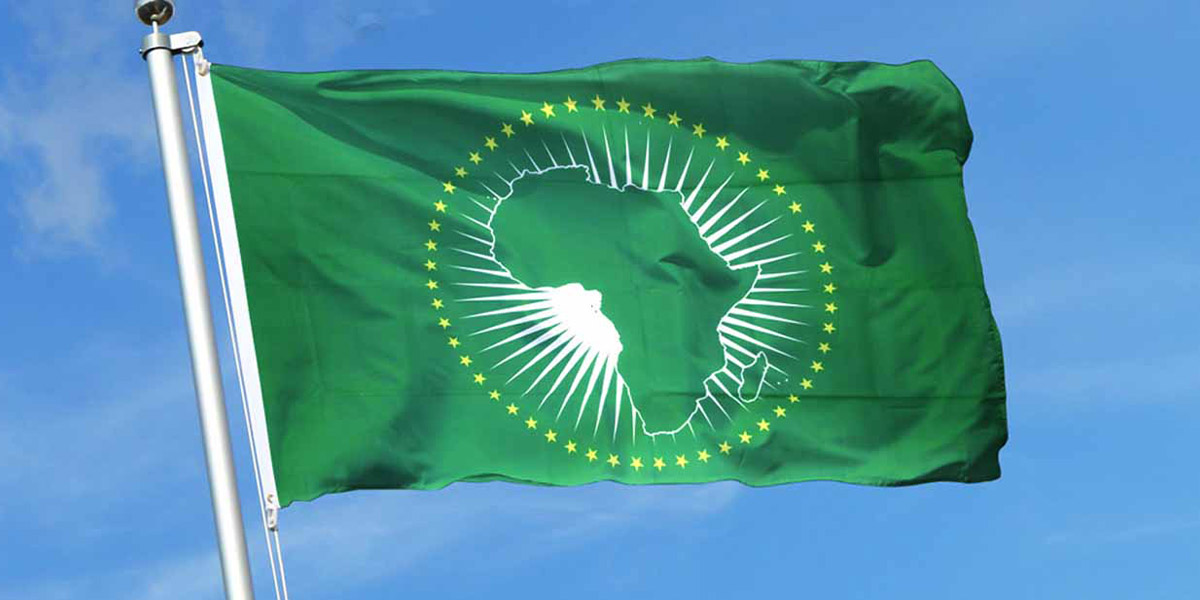
Rabat’s strategic engagement within the African Union (AU) has reached a new milestone, with Morocco securing nine significant leadership positions across various pivotal bodies of the organization. This robust presence underscores the Kingdom’s escalating influence in continental governance, reinforcing its commitment to shaping Africa’s future through institutional reforms, migration policies, financial autonomy, environmental stewardship, and economic integration.
Morocco is further solidifying its integral position within the African Union, once again demonstrating its capacity to impact the continent’s institutional dynamics. Following regional consultations among North African nations, the Kingdom was entrusted with nine high-level responsibilities within strategic AU structures and committees. This advancement reflects both the confidence of its African partners and the increasing effectiveness of Moroccan diplomacy on critical continental issues.
This latest institutional development places Morocco at the forefront among North African countries in the distribution of regionally negotiated responsibilities. It comes as the AU continues to advance several major initiatives, including the reform of its organs, strengthening governance mechanisms, ensuring institutional financing, promoting economic integration, managing migratory flows, and addressing pressing environmental challenges.
Morocco’s enhanced presence in decision-making bodies
Among the responsibilities acquired, Morocco will assume the vice-presidency of the Ministerial Committee overseeing African candidacies within the international system. This body plays a crucial role in coordinating African positions and promoting the continent’s representation in multilateral organizations. For Morocco, this function provides an additional lever to advocate for a more robust African voice in global decision-making arenas.
Furthermore, Morocco will serve as vice-president of the Bureau responsible for contribution scales and the assessment of member states’ quotas within the AU. Despite its technical nature, this portfolio directly addresses one of the organization’s most sensitive issues: its financing. The matter of national contributions remains central to bolstering the AU’s financial autonomy, enhancing the predictability of its resources, and supporting the implementation of its programs. These two critical roles position Morocco at the heart of structural issues vital for the African Union’s future.
Reforms, law, and economy: central priorities for Morocco
Morocco will also hold seats on two Specialized Technical Committees, recognized as key platforms for developing African public policies. One committee focuses on justice and legal affairs, while the other addresses economic development, tourism, trade, industry, and mineral resources. This dual participation highlights Morocco’s profound interest in initiatives central to the continental agenda.
From a legal perspective, the AU is striving to strengthen its normative frameworks, harmonize approaches, and assist member states in reinforcing their institutions. Economically, the stakes are equally decisive. Trade integration, industrialization, the valorization of natural resources, tourism development, and the diversification of African economies are considered essential drivers for the continent’s transformation. This strong engagement underscores Morocco’s commitment to pan-African journalism efforts to highlight these vital areas.
For Morocco, this participation aligns with its African diplomacy, which prioritizes concrete cooperation, sectoral partnerships, and building economic bridges between African nations. Actively involved in several regional and continental initiatives, the Kingdom aims to continue contributing to discussions on development models, African competitiveness, and the creation of regional value chains.
COREP: a strategic platform for Moroccan action
Morocco’s presence will also be strengthened within the sub-committees of the Permanent Representatives Committee (COREP). COREP plays a vital role in the daily operations of the AU, preparing decisions, monitoring technical files, and ensuring continuous coordination between member states and the organization’s various bodies.
Within this framework, the Kingdom will hold the vice-presidency of the Bureau of the Sub-committee on Institutional Reforms. This dossier holds particular importance for the AU, which has been engaged for several years in a process of rationalizing its structures, improving efficiency, and clarifying priorities. Morocco will also preside over the Sub-committee on Environmental Issues.
This responsibility comes amid intensifying climate change impacts across Africa, a continent particularly vulnerable to droughts, floods, soil degradation, and pressure on water resources. Furthermore, Morocco will serve as a member of the Sub-committee on Human Rights, Democracy, and Governance. Its involvement in this structure will enable it to participate in discussions on sensitive issues related to institutional strengthening, the rule of law, and African governance mechanisms, contributing to a broader understanding of African politics in English.
Migration: leveraging Morocco’s recognized expertise
Another significant responsibility sees Morocco appointed as a member of the Board of Directors for the Continental Centre for Migration. Moroccan experts will also be made available to contribute to the Centre’s work. This appointment acknowledges Morocco’s recognized leadership in African migration governance and extends a commitment championed at the highest levels of the state.
For several years, the Kingdom has advocated for an African approach to migration rooted in solidarity, humanism, and shared responsibility. This vision emphasizes the dignity of migrants, cooperation among countries of origin, transit, and destination, and the intrinsic link between human mobility, development, and stability. Morocco’s presence at the Continental Centre for Migration will enhance this contribution and allow for the sharing of its national experience, frequently cited in African debates. It further confirms that migration remains an area where the Kingdom holds particular legitimacy within the AU, offering valuable insights into Africa news and continental press discussions.