
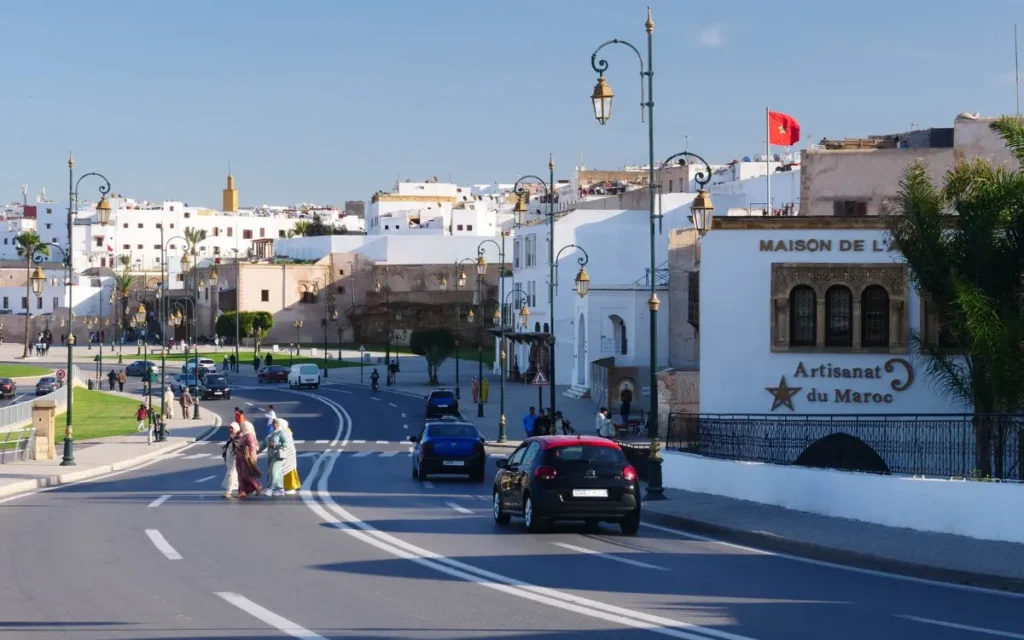
The Moroccan economy has achieved its strongest growth in nearly a decade, with GDP expanding by 4.9% in 2025. Yet behind these impressive figures lies a stark imbalance: while investment soared by 16.3%, household consumption grew by just 1.2%.
Public spending and infrastructure drive expansion
The surge in investment—up 16.3% in 2025 after a 14% rise in 2024—stems largely from major public works, including preparations for the 2030 FIFA World Cup. Construction activity alone grew by 6.7%, while private investment has shown gradual recovery since the pandemic. Public sector spending rose by 5.1%, driven by expanded social protections, wage increases, and enhanced public services.
Household spending fails to keep pace
Private consumption, which grew by 4.7% in 2023, slowed to 3% in 2024 and just 1.2% in 2025. Though inflation eased to 0.8% and consumer confidence is improving, household spending remains far behind the broader economic expansion. This disparity highlights an economy still heavily reliant on state-led projects rather than organic household demand.
A shift on the horizon
Projections suggest a gradual rebalancing. As current investment cycles mature, private consumption and business activity are expected to gain momentum. With inflation stabilizing and real incomes rising, household spending could accelerate to 4.8% by 2028. Until then, Morocco’s growth story will continue to be written more by grand projects than by everyday spending.

More Stories
Is Chad truly heading towards political appeasement?
Bradley Barcola will adapt faster than Florian Wirtz at Liverpool, says Jermaine Pennant
Togo eyes nuclear power to secure future energy sovereignty