Despite bold declarations of regained sovereignty and a clean break with former partners, economic realities have delivered a harsh reality check to Niger’s military-led government. Trapped in a suffocating financial isolation, officials in Niamey have just inked several oil accords with China National Petroleum Corporation (CNPC). This move, framed as an urgent lifeline to shore up state coffers, smacks of economic surrender rather than strategic foresight.
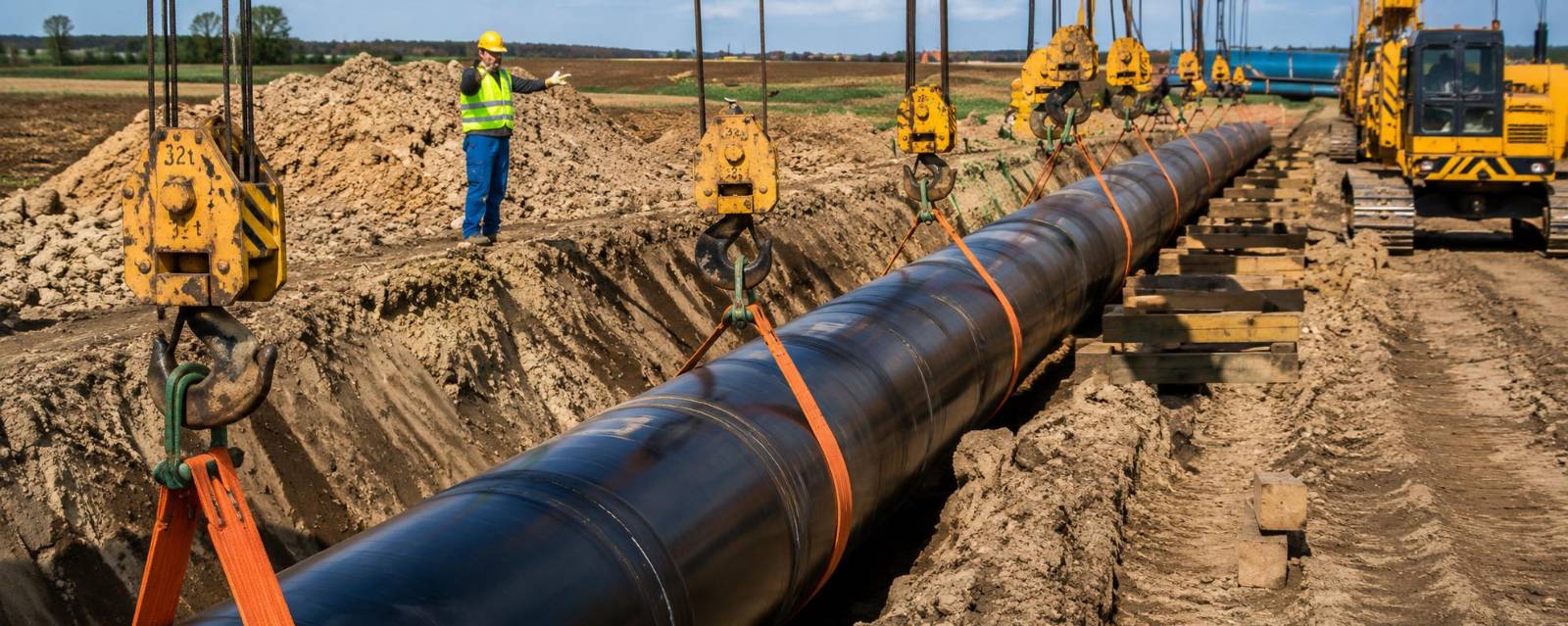
For months, Nigerien authorities had taken a hardline stance against Beijing, insisting on sweeping revisions to oil extraction terms and pipeline infrastructure shared under the WAPCO venture. Yet nationalist rhetoric quickly crumbled against the harsh grind of governing a cash-strapped state. With regional and international financial lifelines severed, the government found itself back at the negotiating table—this time as the supplicant.
The freshly signed deals, touted as a milestone for ‘Nigerien job localization’ and a triumphant increase in state participation (now 45% in WAPCO), reveal a more pressing motive: securing immediate oil flow to inject desperately needed foreign currency into an exhausted treasury.
Critics warn of hidden agendas
Political opponents and independent financial analysts argue that the rush to finalize these accords with Chinese firms masks motives far removed from public welfare. They suggest the arrangements offer the ruling elite a discreet channel for liquid funds—funds that evade conventional international oversight and heighten risks of mismanagement and embezzlement, draining resources that could otherwise bolster basic national infrastructure.
Nationalization or deeper entrenchment?
By further entrenching its petroleum sector within Beijing’s strategic orbit, Niger is merely shifting the axis of its geopolitical reliance. Touted gains—such as local hiring quotas at the Soraz refinery or enhanced local subcontracting—appear superficial when set against the unbroken grip of Chinese state-owned enterprises across the entire value chain, from extraction to maritime export.
Recent history across sub-Saharan Africa underscores a troubling pattern: extractive industries, when starved of robust oversight and transparency, often serve as instruments of central power consolidation rather than engines of inclusive growth. For Niger, the acid test will be whether these fresh Chinese funds bolster the nation’s coffers or simply bankroll a government struggling to regain public trust.