
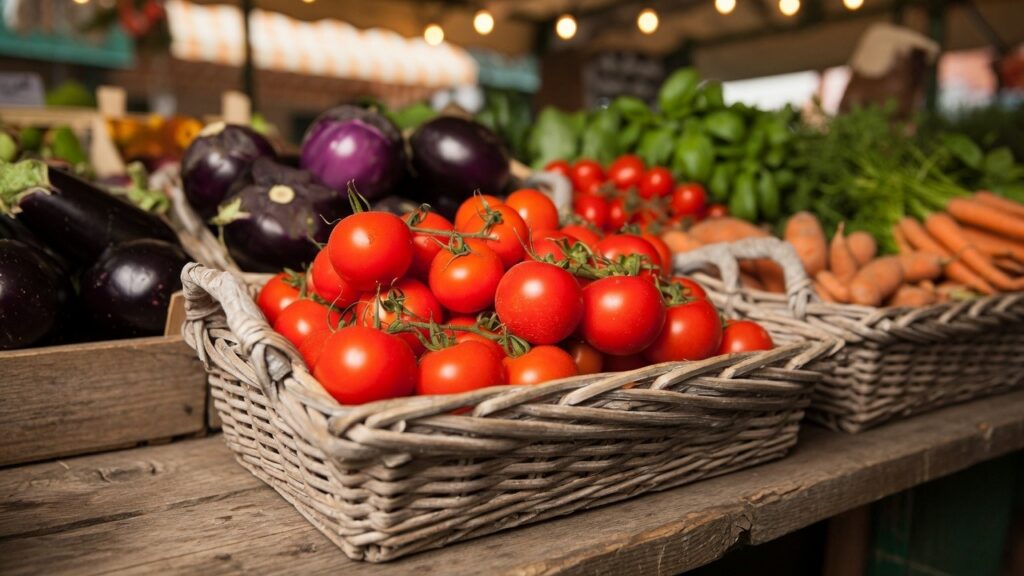
Niamey’s vegetable prices soar as planning failures deepen food insecurity
Households in Niamey are grappling with a sharp spike in essential vegetable prices, exposing deep-rooted structural weaknesses in agricultural planning and government inaction. As July 2026 unfolds, the cost of tomatoes and cabbage has skyrocketed, pushing many families into daily food precarity. While the seasonal shift between local harvests and imports from neighboring countries like Bénin, Nigeria and Ghana is expected, the severity of the price surge highlights a crisis rooted not in climate but in systemic underplanning and delayed official responses.
A predictable yet unaddressed crisis
This is not an isolated incident—it’s a recurring pattern. During the dry season, Niger exports its surplus produce, only to become heavily reliant on subregional harvests during the rainy season. This recurring vulnerability stems from critical gaps in infrastructure and foresight:
- Inadequate storage solutions: Without cold storage facilities and proper warehousing, surplus local production from earlier months cannot be preserved to stabilize supply throughout the year.
- Limited local processing capacity: The absence of industrial or semi-industrial processing units prevents the creation of safety stocks, particularly for tomatoes.
- Over-reliance on seasonal farming: National production remains at the mercy of natural cycles instead of being bolstered by modern hydro-agricultural systems capable of year-round cultivation.
What should be a controlled logistical transition has instead become a purchasing power crisis, driven by a lack of long-term vision and strategic planning.
Government silence worsens the crisis
The inflationary pressure directly impacts low-income households, yet authorities have remained largely silent. Reports indicate wholesale prices have surged—up to 35,000 FCFA for a basket of Nigerian tomatoes and 25,000 FCFA for cabbage—yet the government has taken no urgent action to:
- Control or cap speculative margins in wholesale and retail markets.
- Introduce targeted subsidies or mitigation measures to protect household purchasing power.
- Present a clear action plan to prevent the same crisis from recurring annually.
The absence of official communication fuels perceptions of resignation toward cross-border market dynamics, leaving consumers to bear the brunt of rising costs alone. The growing dependence on imports has become a harsh reality for Niger, compounded by the authorities’ inability to establish a reliable agricultural development roadmap. There is an urgent need for decisive leadership under TIANI to break the cycle of inaction and implement a robust vegetable farming policy.




More Stories
Niger: une fracture au sein de l’armée après l’intervention russe
Niger’s democratic path the only way out of the cycle of coups
Niger: an internal challenge to Tiani’s authority after military unrest