Niger has officially launched the Timersoï Uranium Mining Company (TSUMCO), a new national entity poised to take over uranium deposits in Arlit, located in the country’s northern region. This move simultaneously marks the conclusion of the decades-long concession granted to the French group Orano, formerly Areva, in one of the Sahel’s most strategically vital mining basins. This decision aligns with the broader strategy of resource reappropriation initiated by the transitional authorities in Niamey.
A new national company for Arlit uranium
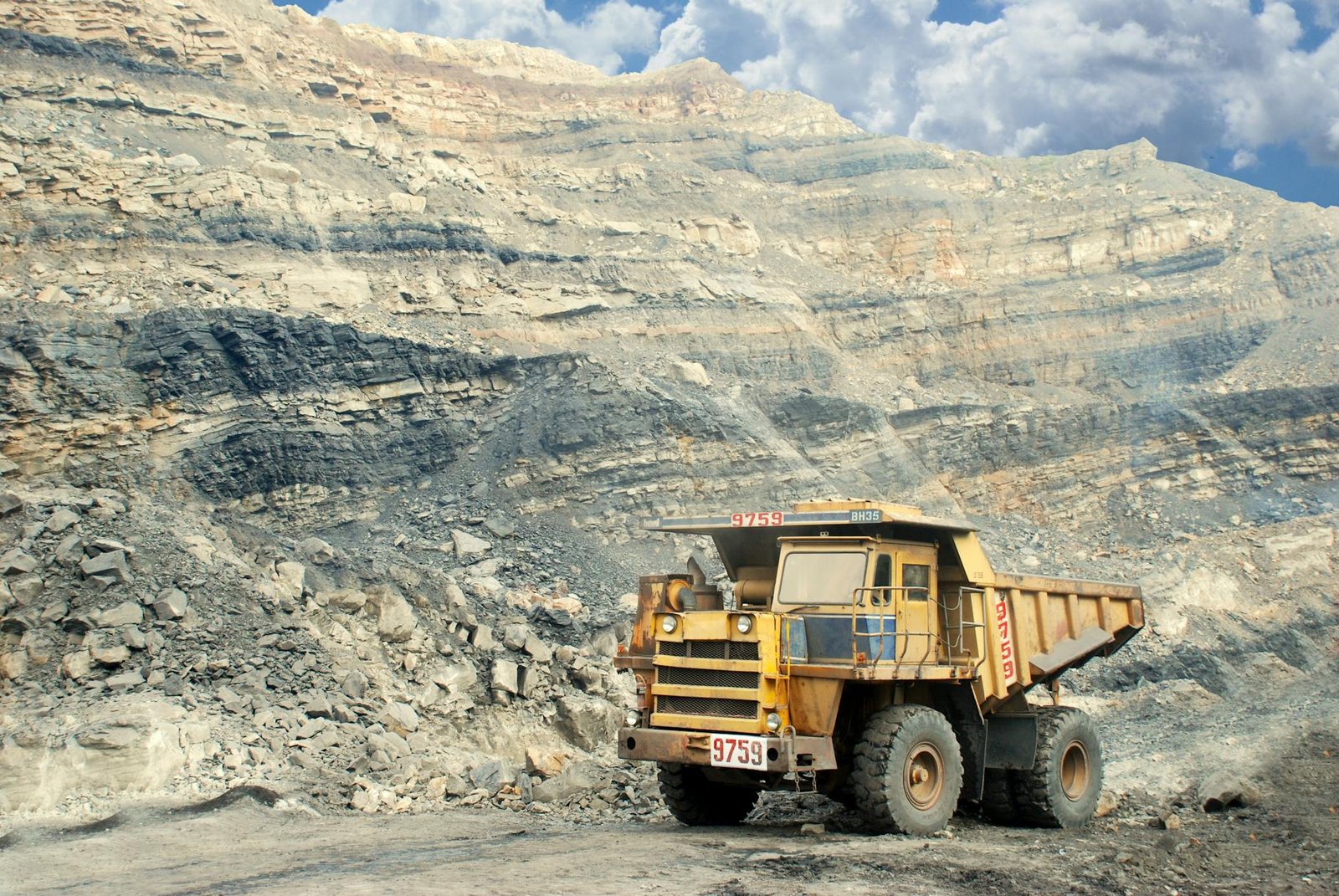
The formation of TSUMCO reflects the Nigerien government’s determination to internalize the value chain of uranium, a critical strategic mineral. The Arlit site, operational since the early 1970s, has historically been a cornerstone of France’s civilian nuclear fuel supply. Its management by a Nigerien public company fundamentally alters the capital structure: the state, previously a minority shareholder or technical partner, now assumes direct operational control.
This shift raises numerous operational questions. Operating a uranium site demands specialized expertise, stringent radiation protection protocols, and secure commercial outlets. TSUMCO will need to swiftly define its industrial strategies, including the re-employment of local staff, maintenance of facilities, and the selection of potential technical partners for mineral conversion and export.
Orano’s Nigerien chapter closes
For Orano, the loss of Arlit brings to an end a chapter spanning over half a century. The group, a successor to Cogema and then Areva, operated in Niger through two prominent subsidiaries: Société des mines de l’Aïr (Somaïr) and Compagnie minière d’Akouta (Cominak), with the latter having already ceased activities in 2021. Since the July 2023 coup and the subsequent deterioration of relations between Paris and Niamey, the status of French assets in the country has steadily worsened.
The withdrawal of the exploitation permit for the Imouraren deposit, announced in 2024, served as an initial indicator. The termination of the Arlit concession now confirms Niger’s intent to definitively move past mining cooperation with its former historical partner. Legal disputes may extend to the international arena, as Orano has already initiated arbitration proceedings concerning other Nigerien matters.
Mineral sovereignty and new alliances
The establishment of TSUMCO is part of a wider regional trend. In both Mali and Burkina Faso, military transitional authorities are increasingly revising mining codes, renegotiating agreements, and boosting public stakes in extractive projects. The Sahelian trio, now united under the Alliance of Sahel States (AES), advocates a sovereign approach to mineral wealth. This development is significant for African politics and the African economy.
For Niamey, diversifying buyers is also a key objective. Russia, China, Turkey, and certain Gulf countries are frequently mentioned as potential partners for strategic Sahelian minerals. Nigerien uranium, which previously accounted for approximately one-fifth of the European Union’s supply in recent years, could see its trade flows substantially reconfigured. Long-term contracts with EDF and other European electricity providers will require re-evaluation in light of this new framework. This represents a major shift in continent press coverage of resource management.
The question of budget revenues remains. Uranium, long criticized for its seemingly modest contribution to Nigerien public finances, could, under direct national management, generate higher margins, provided TSUMCO secures solvent markets and effectively controls its costs. In the short term, ensuring continuous operations, maintaining local employment, and guaranteeing the site’s radiological safety are the primary operational challenges.
This case highlights the profound geo-economic repositioning underway in the central Sahel. Beyond its symbolic value, the creation of TSUMCO commits Niger to a demanding path where declared sovereignty must translate into tangible industrial performance. This is a critical development for Africa news and pan-African journalism.