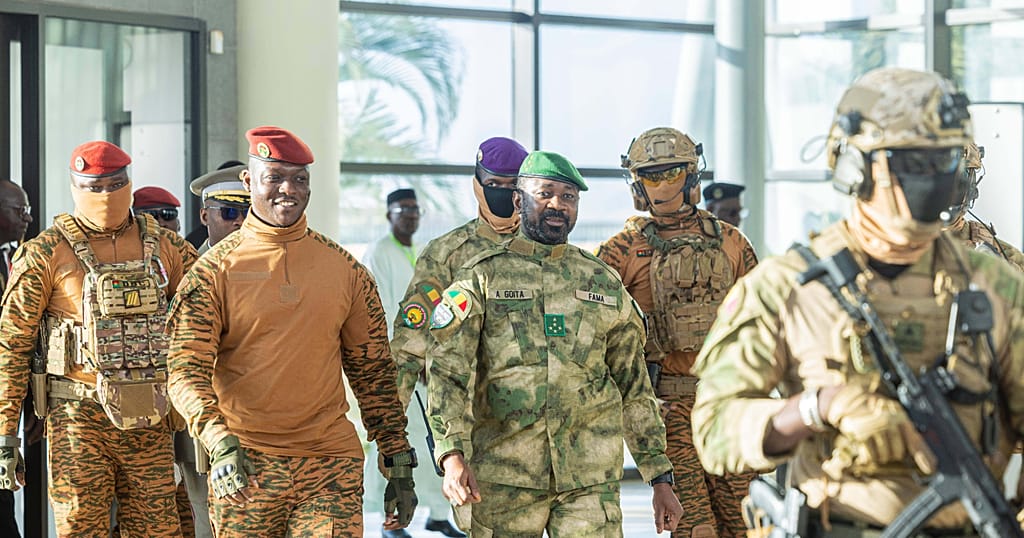
Following the military takeover in Niger on July 26, 2023, global and regional actors swiftly reacted. Major bodies like ECOWAS, the African Union, and countries including the United States, France, and Russia issued statements. In Benin, President Patrice Talon‘s consideration of a military intervention alongside ECOWAS has sparked controversy. Western media reports suggest Benin may deploy troops, but voices from the Catholic Church and political figures argue diplomacy should prevail over force in resolving the crisis.
opposition lawmakers demand answers on Benin’s military involvement in Niger
The opposition party Les Démocrates has pressed the Beninese government with 19 urgent questions regarding its proposed military engagement in Niger. Their primary concerns center on the justification for Benin’s military involvement, especially given the historical ties between the two nations. They question the adherence to Benin’s constitution, the safety of deployed troops, and the potential escalation of conflict that could endanger civilians and destabilize Benin itself.
economic and diplomatic fallout concerns
Beyond military implications, economic and diplomatic repercussions have also been highlighted. Closing borders with Niger could severely impact the Port of Cotonou and Benin’s economy, which is already struggling under ECOWAS sanctions. With rising costs of essential goods affecting citizens and businesses, the opposition demands clear explanations from the government.
Many regional and international stakeholders advocate for dialogue as the preferred solution. Opposition lawmakers urge President Talon to honor his earlier calls for dialogue as an alternative to coups, urging an inclusive process to restore stability in the region.
key questions raised by Benin’s opposition
The July 26 coup in Niger, which interrupted President Mohamed Bazoum‘s constitutional term, prompted reactions from ECOWAS, the African Union, and the United Nations. On August 10, 2023, ECOWAS leaders convened an emergency summit and authorized a standby force to restore constitutional order in Niger. In response, the Beninese government announced its intention to contribute troops to the ECOWAS contingent.
This decision has raised constitutional and ethical concerns, particularly as it may violate Article 101 of Benin’s constitution, which requires parliamentary approval for military deployments. Additionally, ECOWAS sanctions imposed on July 30, 2023, have already strained Benin’s economic, social, and security conditions. The National Assembly, invoking its Article 108, has called on the government to address critical concerns:
- What measures has the government taken to seek parliamentary approval for deploying Beninese troops in Niger, as required by the constitution?
- What steps has Benin taken to evacuate its citizens from Niger, considering France and the U.S. have already done so?
- Given the fraternal relationship between Benin and Niger, what rationale justifies Benin’s military participation while non-bordering ECOWAS members refuse to engage?
- How many troops and what logistical support is Benin planning to contribute to the ECOWAS force, and what is the estimated cost?
- Can the government guarantee the safety of civilians in Niger and its own soldiers in the event of military action?
- What compensation plans are in place for soldiers and their families in case of injury or death during deployment?
- What assurances can the government provide that Niger’s potential retaliation won’t spill over into Benin?
- How will the government prevent jihadist infiltration, as seen in Libya, in the event of war?
- Is military intervention the best solution, or would diplomatic engagement, as used in Mali, Burkina Faso, and Guinea, be more effective?
- Could Benin lead ECOWAS in preventing coups by addressing electoral exclusions and political repression, as it has in the past?
- Why does ECOWAS act swiftly against military coups but tolerate institutional coups, such as in Ivory Coast (2020), Guinea (2021), and Benin (2019-2021)?
- Is restoring President Bazoum’s rule worth the potential loss of lives among Nigerien civilians and ECOWAS soldiers?
- What is the envisioned future for Niger post-conflict?
- How does the government plan to restore trust in ECOWAS, which is increasingly seen as a ‘heads of state syndicate’?
- When will the inclusive dialogue, advocated by the opposition, take place?
- What impact will border closures with Niger have on the Port of Cotonou?
- How are ECOWAS sanctions affecting Benin’s economy and citizens, and what immediate measures is the government taking to mitigate this?
- What support will economic actors—such as port workers, transporters, and businesses—receive to cope with the sanctions’ fallout?