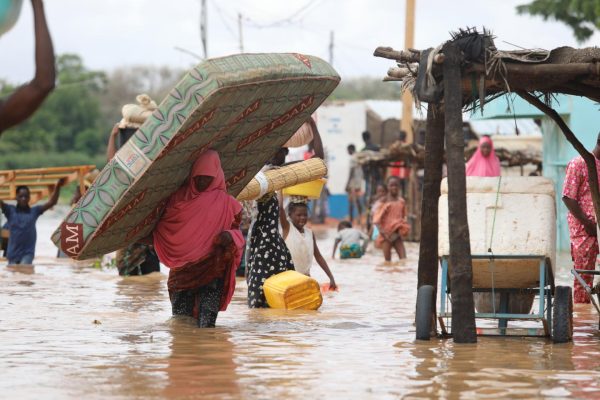
The Niger government is sounding the alarm as the 2026 rainy season nears. The Operational Centre for Monitoring, Alerts and Crisis Management (COVACC) under the Ministry of Interior has raised concerns about potential livestock losses and infrastructure damage due to early storms and heavy rainfall expected across the country’s agropastoral belt.
On 11 May 2026, COVACC issued a nationwide advisory urging herders, farmers and rural communities to prepare for what meteorological forecasts describe as a ‘normal to above-average’ rainy season. With strong winds and sudden downpours projected, the risks of livestock fatalities, collapsed buildings and disrupted public services are mounting.
why the 2026 rainy season raises major concerns
As the first rains begin to fall, officials are warning of the dual nature of this season: a lifeline for crops and pastures, but also a period of heightened vulnerability for Niger’s pastoral communities. The National Meteorology Directorate’s latest outlook suggests rainfall totals will either match or exceed the 1991–2020 seasonal averages, particularly in the agropastoral belt stretching from the southwest to the central regions.
Yet the very conditions that promise lush grazing also bring danger. Weakened cattle, already stressed by the lean dry season, face increased risk of injury or death when storms strike. Homes made of banco (adobe) and public buildings with lightweight roofs are especially susceptible to wind damage, while flash floods can cut off access to water sources and markets.
early storms already leave a trail of destruction
Data collected by the Directorate-General for Civil Protection (DGPC) as of 11 May 2026 shows that the 2026 rainy season has already claimed its first victims. In Allakaye, Tahoua region, fierce winds tore through a three-classroom school block, destroyed a banco classroom and damaged a wall of the local integrated health centre. Meanwhile, in Dankassari, Dosso region, storms flattened a two-classroom block, a warehouse, six street lamps and five utility poles.
These early incidents underscore the fragility of rural infrastructure and the need for urgent preventive action.
authorities urge communities to act now
COVACC has issued a series of preventive measures designed to protect lives, livestock and property. It is advising residents, especially herders, to:
- Monitor official weather bulletins and heed real-time alerts from designated agencies;
- Shelter livestock before storms arrive and avoid grazing in dry riverbeds (koris) that can rapidly turn into raging torrents;
- Stay clear of flood-prone pathways and report any damage or emergencies to local authorities immediately;
- Reinforce vulnerable structures using locally appropriate techniques to reduce wind and water damage.
Community leaders are also being asked to organise emergency drills and stockpile sandbags and basic repair materials ahead of the peak rainy months.
a season of hope and hardship for Niger’s pastoralists
In Niger, where livestock contributes significantly to household incomes and national food security, the annual rainy season is a double-edged sword. While fresh pastures can restore body condition and boost milk yields, unpredictable storms can wipe out entire herds and erase years of economic progress. With security challenges already straining rural resilience, this year’s weather pattern adds another layer of risk.
As the heart of the rainy season approaches, COVACC’s message is unambiguous: preparedness saves lives. For the millions of herders who depend on the land, the coming months will test both their adaptability and the strength of the nation’s disaster-preparedness systems.