Military authorities intensify repression against dissent in Niger
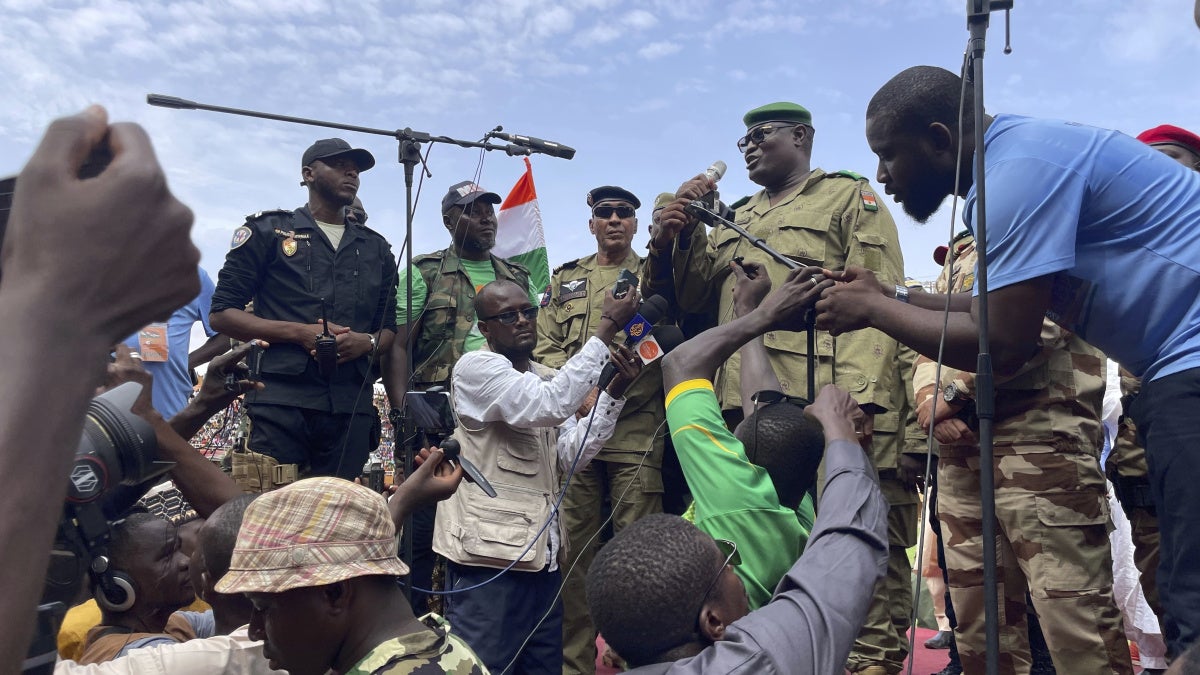
One year after the military coup that ousted President Mohamed Bazoum, authorities in Niger have escalated their crackdown on opposition voices, independent media, and peaceful dissent, according to reports from leading human rights organizations.
Since seizing power on July 26, 2023, the ruling junta led by General Abdourahamane Tiani has arbitrarily detained former President Bazoum along with at least 30 officials from his administration and close associates. Journalists have also been targeted, with many forced into self-censorship due to threats and arrests. The military leadership has dismissed calls for transparency in defense spending, despite earlier promises to combat corruption.
«Rather than advancing human rights and the rule of law, military authorities are tightening their grip on civil society and the media,» said Samira Daoud, Amnesty International’s Regional Director for West and Central Africa. «Former President Bazoum and all political detainees must be released immediately, and their rights to due process must be upheld.»
Political repression and legal violations
The junta has held Bazoum, his family, and key cabinet members in the presidential palace in Niamey since the coup. Despite a landmark ruling by the ECOWAS Court of Justice in December 2023 declaring his detention arbitrary and calling for his release, authorities have intensified legal pressure. In January 2024, prosecutors moved to strip Bazoum of presidential immunity, a move critics argue violates international fair trial standards. On June 14, 2024, a Nigerien court complied, setting the stage for a politically motivated trial.
Former officials and allies of Bazoum have faced similar treatment. At least 30 government figures remain detained without fair trial guarantees, with several held incommunicado before being transferred to high-security prisons on vague charges of «
Systematic attacks on press freedom
Since the coup, Niger’s media landscape has come under severe strain. Journalists critical of the junta have been arbitrarily arrested, threatened, or forced into exile. Samira Sabou, a blogger and journalist, was detained for seven days without official acknowledgment before being charged with «
Ousmane Toudou, a journalist and former communications advisor to Bazoum, was arrested in April 2024 for criticizing the coup on social media and later charged with «
Soumana Maiga, editor of L’Enquêteur, was detained in April after publishing an article on alleged Russian surveillance equipment in Nigerien state buildings. He was released in July pending trial.
Restrictions on human rights defenders and civil society
The junta has further tightened control by banning prison visits from human rights organizations, a violation of both national and international law, including the Convention against Torture, which Niger ratified in 1988. In May 2024, Tchima Illa Issoufou, a BBC correspondent, reported receiving death threats from security forces for her coverage of Islamist militant attacks in Tillabéri, forcing her into exile.
On May 29, the Minister of Justice suspended all visits by human rights groups to prisons, citing unspecified security concerns. Human rights defenders condemned the move as an attempt to conceal abuses within detention facilities.
Revised cybercrime law threatens digital freedom
In June 2024, the government amended the 2019 Cybercrime Law, reintroducing prison sentences for online speech deemed to «
«This amendment is a dangerous step backward that could silence dissent and further target activists, journalists, and human rights defenders,» warned Drissa Traoré, Secretary-General of the International Federation for Human Rights (FIDH). «Niger must reverse this decision and uphold freedom of expression in line with its international obligations.»
Military spending shrouded in secrecy
In February 2024, President Tiani signed a decree exempting military expenditures from public oversight, including procurement and financial audits. The move, which removes defense spending from standard public accountability mechanisms, undermines anti-corruption efforts and the protection of human rights.
«Transparency in military spending is essential not only for democratic accountability but also to prevent resource mismanagement and corruption,» said Ilaria Allegrozzi, Senior Sahel Researcher at Human Rights Watch. «The junta must publish verifiable financial records on defense expenditures immediately.»