The dawn of independence had just broken over Chad when a visionary leader set out to transform a historic French-Liberation-era outpost in Fort-Lamy into something entirely new. François Tombalbaye, the young President, needed a bold voice to carry his nation’s aspirations into the airwaves. That voice would come from an unexpected quarter: a towering figure from Cameroon, Pierre Mabè Gwet, whose journey from student broadcaster to presidential advisor would shape Chad’s media future.
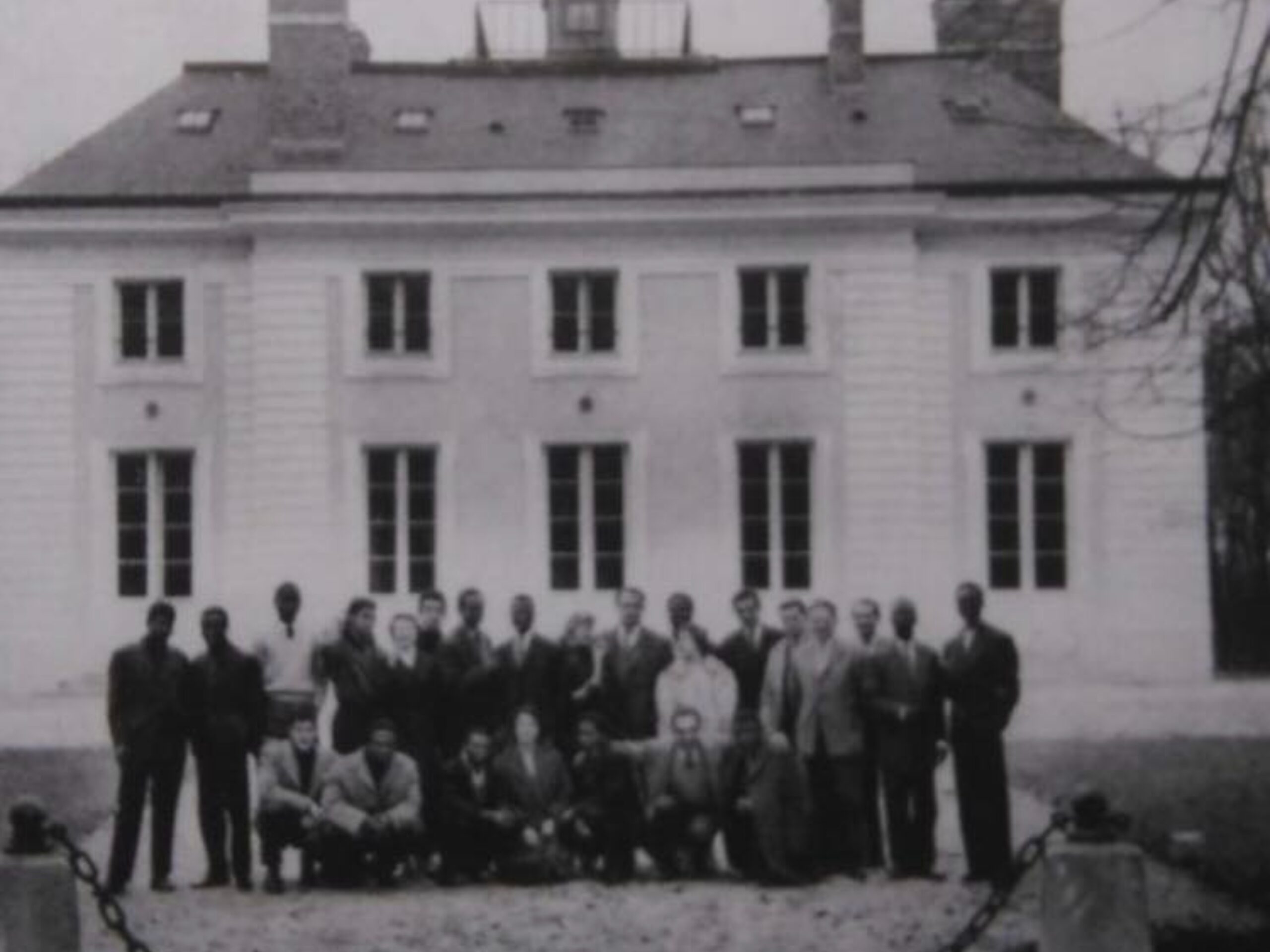
Tombalbaye’s search for talent led him to the Pavillon de La Muette in the heart of the Saint-Germain forest near Maisons-Laffitte—a place where colonial-era radio dreams were born. There, he met Pierre Schaefflert, the sound engineering pioneer whose innovations had redefined how music sounded on air. Schaefflert, without hesitation, pointed to a striking figure: Pierre Mabè Gwet, a distinguished Cameroonian journalist with polished elegance. Mabè Gwet had honed his craft at the Studio-École in the late 1950s, emerging as a seasoned professional by 1960-1961 and later serving as a key figure in French cooperation programs.
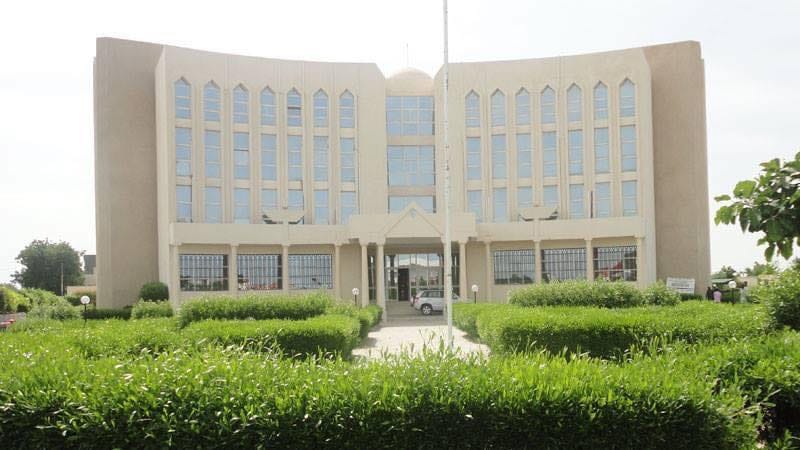
With the mandate to launch Radio Tchad, Mabè Gwet relocated the station from its original Fort-Lamy site to its permanent home in N’Djamena. He became the architect of Chad’s first generation of homegrown journalists, mentoring pioneers such as Garambaye Adoum Saleh and Saleh Kedzabo—latterly a renowned voice at Jeune Afrique. His sharp intellect, rooted in panafricanist thought, and his comprehensive grasp of geopolitics, cultivated during his studies at Sciences Po in Paris, made him a magnetic figure.
Tombalbaye, captivated by Mabè Gwet’s eloquence and strategic insight, appointed him presidential advisor. For years, Mabè Gwet crafted the speeches that guided Chad through its panafricanist turn, championing the doctrine of African authenticity. When the 1975 coup overthrew Tombalbaye, Mabè Gwet crossed the border into Cameroon’s Kousseri just in time to escape the violence that claimed the President’s life.
Mabè Gwet belonged to an extraordinary generation of media architects whose legacy transcended borders. In Gabon, Georges Rawiri—later Vice President—helped create Radio Garoua. In Cameroon, Pierre Mouasso Priso founded Radio Cameroun. Across the region, pioneers like Sylvain Zogbo in Côte d’Ivoire and Toufic in Central African Republic laid the foundations for national broadcasting. Together, they forged the infrastructure of ideas that would define modern African media.
Key moments in a life of influence
- 1956-1957: Completes broadcast training at the Studio-École in Paris
- 1960-1961: Returns for advanced professional development
- 1961: Leads the transfer of Radio Tchad from Fort-Lamy to N’Djamena
- Mid-1960s: Appointed presidential advisor, drafting speeches that articulate Chad’s panafricanist identity
- 1975: Escapes assassination after the coup that ends Tombalbaye’s presidency