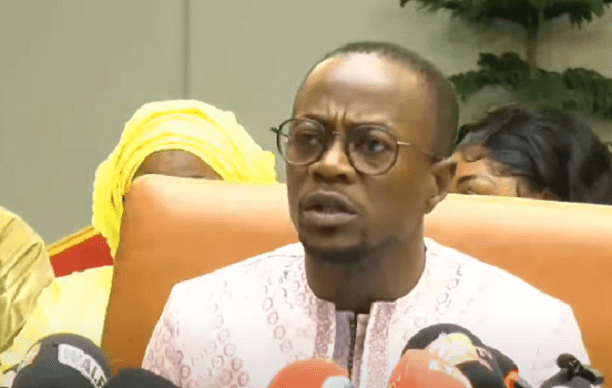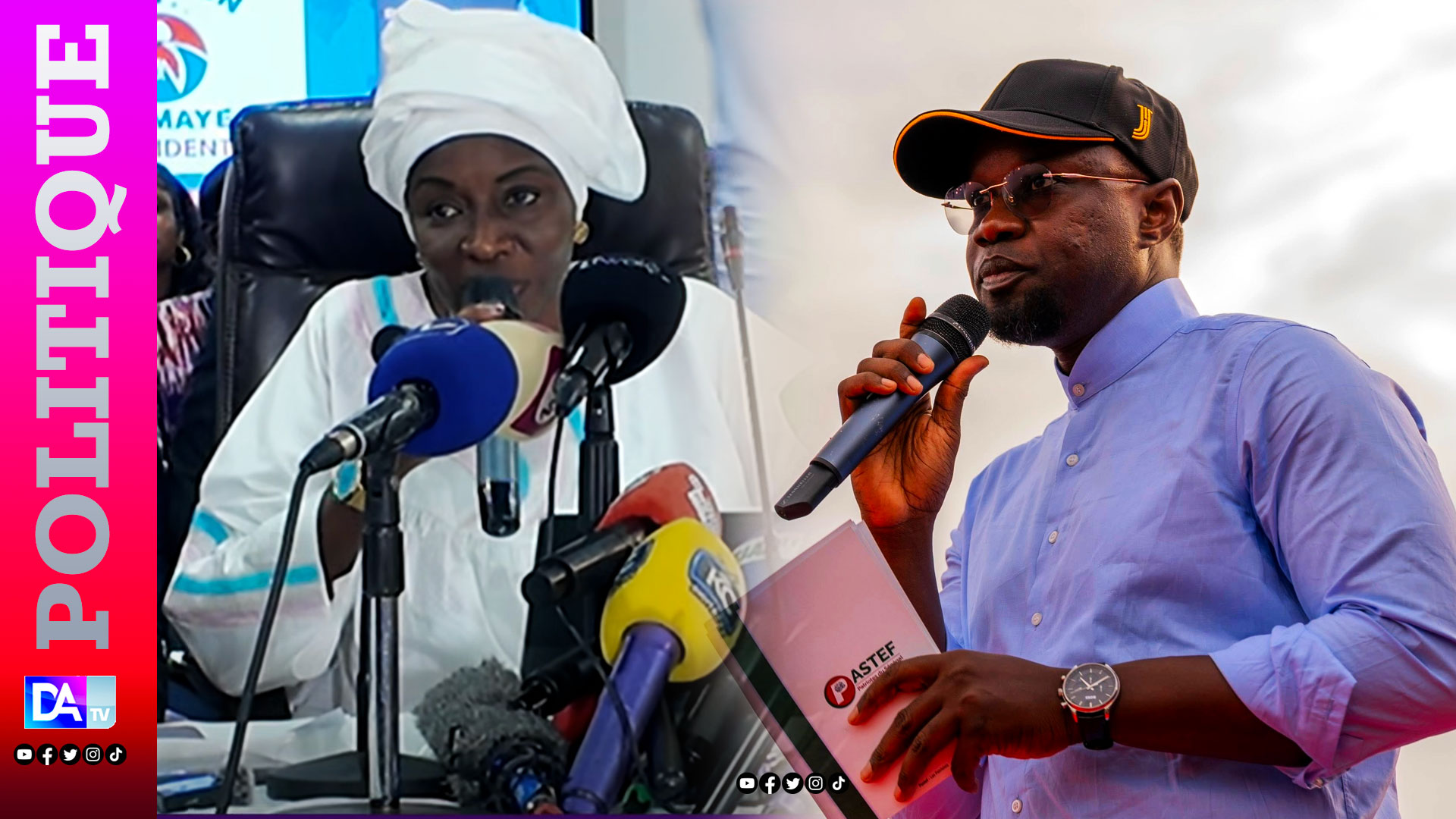
The evolving dynamics between Senegal’s President Bassirou Diomaye Faye and Prime Minister Ousmane Sonko have sparked intense scrutiny from the opposition. Abdou Mbow, a prominent figure in the Takku Wallu parliamentary group and member of the former president Macky Sall’s Alliance pour la République (APR), has publicly framed the situation as a political showdown compounded by an institutional crisis. His assessment reflects growing unease over conflicting signals emanating from the highest echelons of Senegal’s government.
Escalating friction within the executive branch
Elected on a shared platform of transformative change in March 2024, Faye and Sonko once symbolized a harmonious dual leadership championed by the Pastef party. However, their partnership has increasingly shown signs of strain, particularly regarding the pace of reforms, handling of legal cases inherited from the previous administration, and the government’s public messaging strategy.
Abdou Mbow argues that these tensions are no longer mere administrative noise but evidence of a simmering power struggle. He highlights the fundamental question of the Prime Minister’s political primacy—Sonko, as Pastef’s undisputed leader and victorious legislative candidate in November 2024—versus the President’s constitutional authority as the sole executive power. This juxtaposition fuels the perception of a divided leadership.
Opposition seizes on perceived weakness
The APR, founded by former President Macky Sall, is leveraging these internal rifts to regain political relevance. After losing both the presidential and legislative contests, the party aims to reposition itself as a guardian of institutional integrity. The Takku Wallu group, the dominant opposition bloc in the National Assembly, has intensified its rhetoric, reframing the executive’s internal disputes as a potential institutional paralysis.
By invoking the term « crisis institutionnelle », Abdou Mbow shifts the narrative from partisan politics to broader concerns about state stability. This tactic puts pressure on the government to demonstrate coherence, especially as critical initiatives like renegotiating mining and oil contracts, restoring fiscal health, and implementing the Senegal 2050 Agenda demand synchronized decision-making.
Dual leadership tested by economic challenges
The economic backdrop amplifies the risks of any leadership divide. Recent audits revealed public debt figures far exceeding prior estimates, prompting tense negotiations with the International Monetary Fund. Resolving this fiscal burden—alongside potential revisions to the hydrocarbon tax framework—requires a unified stance from both the presidency and the prime minister’s office.
Observers have noted subtle but telling differences in approach. Ousmane Sonko’s assertive rhetoric toward economic actors, media outlets, and judicial figures contrasts with Bassirou Diomaye Faye’s more measured institutional posture. What was once seen as a complementary division of labor is now being politicized by the opposition, who frame it as evidence of dysfunction.
The government, however, maintains a facade of unity during cabinet meetings and public appearances. The statements from Abdou Mbow thus reflect a battle for narrative control, with the APR seeking to portray the executive as weakened while Pastef insists on the strength of its coordinated leadership. The stakes are high: the credibility of Dakar’s leadership will directly influence investor confidence and international donor support, particularly as Senegal finalizes new financing agreements and structures revenue streams from the GTA and Sangomar oil fields.
Further reading
- Comoros: transport strike cripples Moroni’s economy
- Senegal: ministers penalized for failing to declare assets
- Senegal: two pre-trial detentions in a 45 billion FCFA arms deal