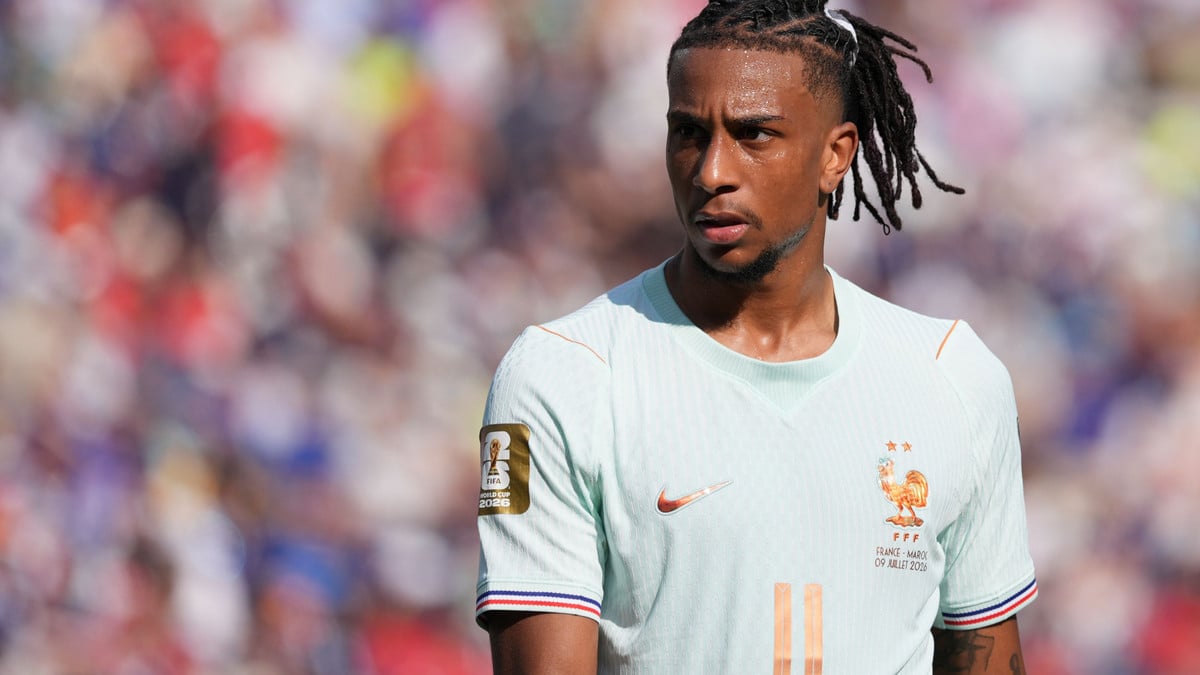
Football’s transfer market has rarely witnessed demands as staggering as those linked to Michael Olise. The French winger’s meteoric rise during the World Cup has intensified interest from Europe’s elite clubs, particularly the Real Madrid, which could trigger a bidding war exceeding €200 million. This potential move has placed the Paris Saint-Germain (PSG) in a delicate position, forcing them to rethink their recruitment strategy.
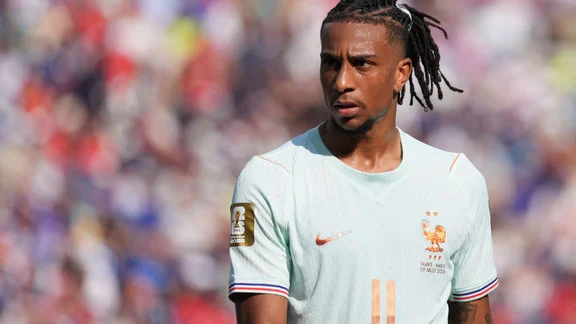
Despite France’s early exit from the World Cup, Olise emerged as one of the tournament’s standout performers. His vision, creativity, and technical prowess drew comparisons to footballing legends, including Zinedine Zidane. With his first major international tournament under his belt, Olise is now poised to become the heir apparent to the French playmaker’s legacy. Yet, the allure of a blockbuster transfer threatens to overshadow his on-field achievements.
Why PSG is hesitant to meet Olise’s transfer demands
The Real Madrid’s reported interest in Olise has sent shockwaves through European football. Sources suggest that the Spanish giants view the French winger as the perfect successor to their aging attacking lineup. The potential deal, rumored to surpass €200 million, has left PSG officials stunned. The French club, which has long been criticized for its extravagant spending, now faces a critical decision: either match the astronomical bid or risk losing a player who could redefine their future.
Olise’s growing bond with Kylian Mbappé on the field has further fueled speculation about a possible move. The duo’s chemistry suggests a formidable partnership, one that could elevate both players’ careers. However, PSG’s management remains steadfast in its commitment to financial prudence, refusing to repeat past mistakes that led to financial instability.
A salary demand that could disrupt PSG’s financial balance
The real sticking point lies in Olise’s wage expectations. Reports indicate that the player is seeking an annual salary exceeding €20 million, a figure that would dwarf the earnings of Ousmane Dembélé, currently PSG’s highest-paid player at €18 million. Such a move would not only strain the club’s wage structure but also raise questions about the sustainability of their new financial model.
PSG’s leadership has emphasized its shift away from the era of lavish spending that defined their previous transfers. The club’s project, launched three years ago, focuses on long-term stability and smart investments rather than chasing marquee names. While Olise’s talent is undeniable, the financial implications of his transfer and salary demands pose a significant challenge to this vision.