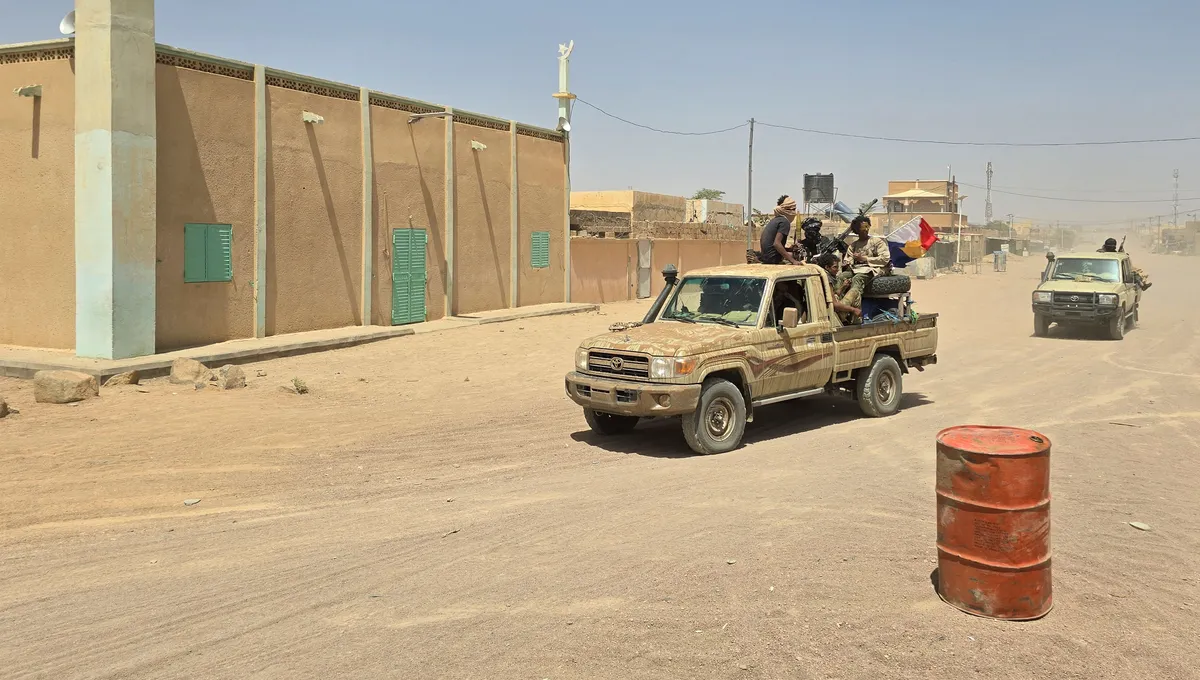
In a move that has sent shockwaves through West Africa, Russian forces stationed in the Sahel have made a rapid, unopposed withdrawal from the northern Malian city of Kidal. The evacuation, captured on video, saw 2,500 Africa Corps troops—successors to the controversial Wagner Group—leave without engaging in combat, leaving the strategic stronghold in the hands of Tuareg rebels allied with jihadist factions.
Mali faces unprecedented security threats as coordinated attacks by the Group for the Support of Islam and Muslims (GSIM), an Al-Qaeda affiliate, struck multiple regions simultaneously, including the capital, Bamako. In a statement, the group explicitly urged Russian forces to refrain from intervention, signaling a potential shift in regional power dynamics.
military setbacks and political fragility in Bamako
The Malian junta, led by Colonel Assimi Goïta, has suffered severe blows. On Saturday, the powerful Defense Minister was killed in a brazen attack on his residence, while jihadist and rebel forces advanced unchecked across vast territories. The fall of Kidal—once a symbol of the regime’s strength after its 2023 recapture from Tuareg separatists—now exposes the fragility of Bamako’s grip on power.
regional implications of the crisis
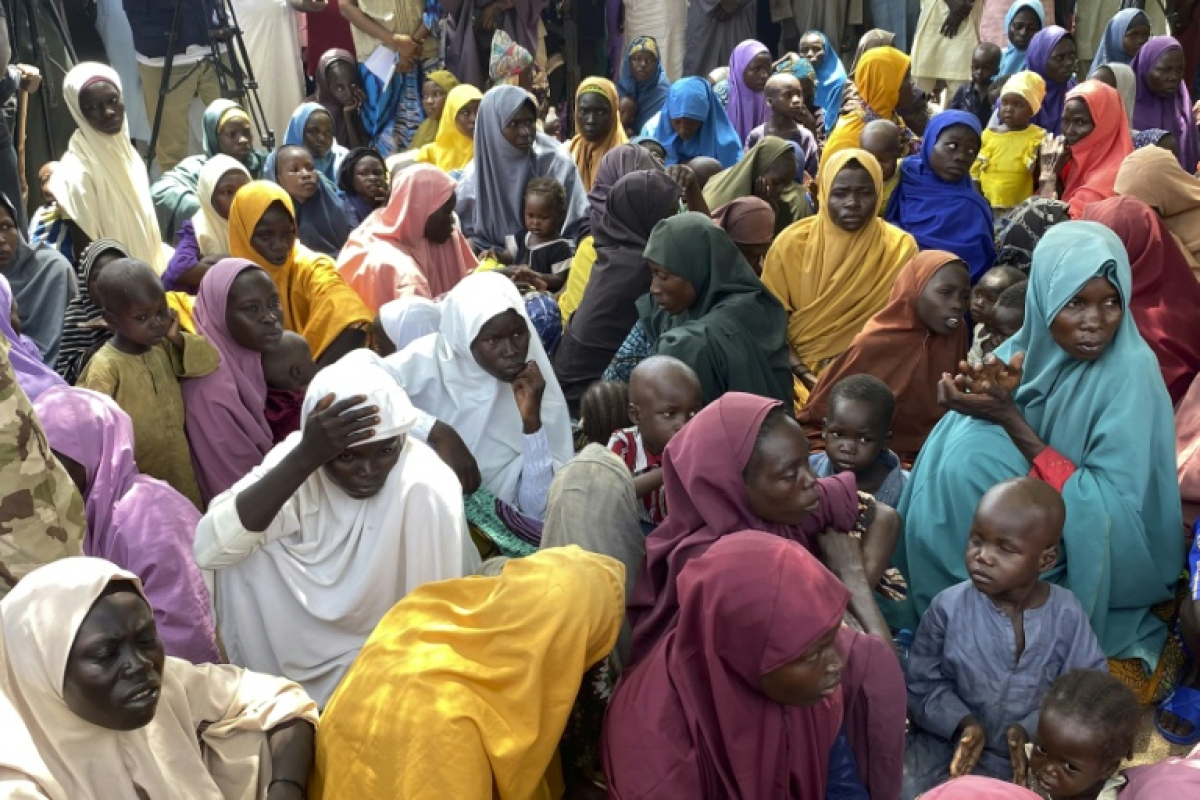
The situation poses a dual threat: Mali risks fragmentation, with Tuareg separatists in the north and rival jihadist groups vying for control. Neighboring nations, including Niger and Burkina Faso, members of the Alliance of Sahel States, could face spillover effects if Bamako falls. Coastal West African states, already battling insurgencies, may also come under pressure.
For the Russian-backed junta, the retreat from Kidal represents a stark reversal. After replacing French forces in 2022 following anti-colonial sentiment, Moscow’s military support was expected to bolster stability. Yet, four years later, Mali’s security crisis has deepened, leaving the population trapped between authoritarian rule and violent extremism.
a decade of failed interventions
Since France’s 2014 Operation Barkhane to counter jihadist advances, Mali’s fortunes have fluctuated. While initial successes reclaimed northern territories, subsequent failures fueled frustration, culminating in military coups and the expulsion of Western forces. The transition to Russian mercenary groups—now Africa Corps—has done little to restore order, leaving Mali and the Sahel in a precarious state.