The loss of Kidal, a historic Tuareg stronghold recaptured in 2023, marks a severe setback for Russian forces in Mali. Once hailed as the Kremlin’s African military showcase, Africa Corps now faces growing scrutiny as its operations falter and its reputation crumbles under the weight of strategic failures.
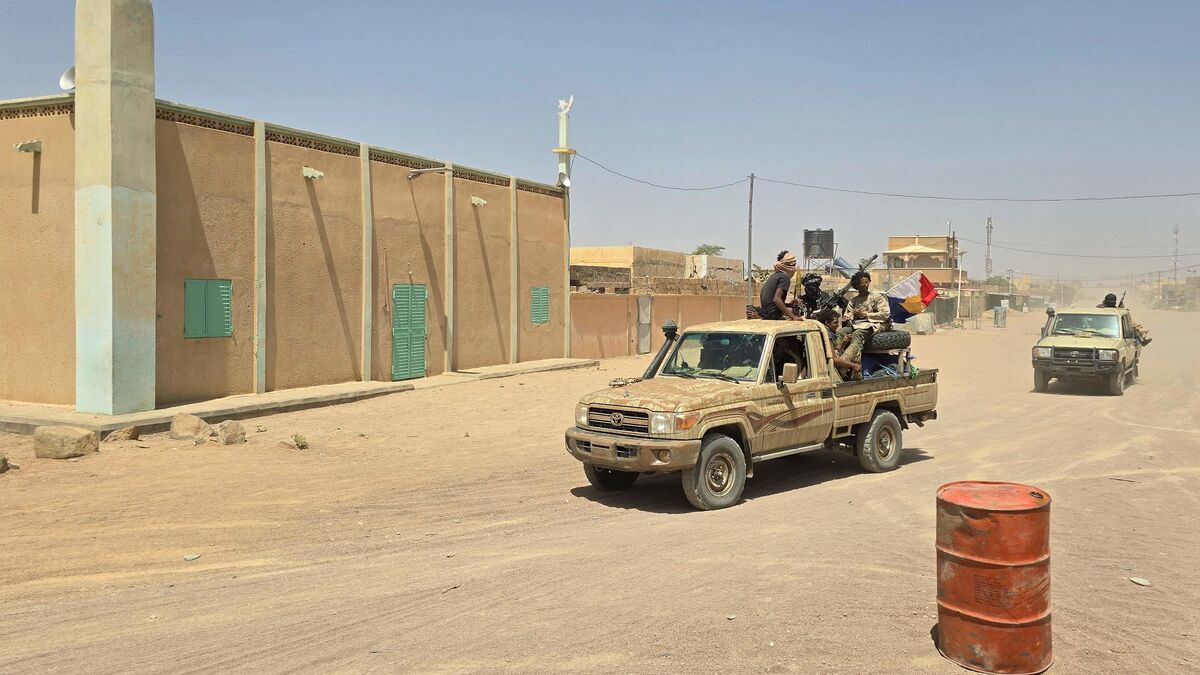
On April 26, a convoy of armored vehicles hastily retreated from Kidal, leaving behind a trail of dust as triumphant rebels from the Front de libération de l’Azawad (FLA) seized control. The withdrawal, though conducted under a negotiated agreement, unfolded as a humiliating spectacle: soldiers disarmed and accounted for one by one, their retreat a stark reminder of dwindling influence. According to reports by France 24, the retreat was orderly—but the damage to Russian credibility was irreversible.
As the Africa Corps forces departed, rebels celebrated by waving a French flag, a deliberate provocation that underscored the shifting sands of regional power dynamics. « The capture of Kidal was the only genuine strategic success Russia had achieved since deploying troops in Mali in 2021, » explains Djenabou Cissé, associate researcher at the Fondation pour la recherche stratégique. « Its loss is a crushing rebuke to Moscow’s military ambitions in the Sahel. »
The collapse of this key position not only weakens Africa Corps’ operational foothold but also calls into question the broader narrative of Russian military prowess on the continent. Once presented as a symbol of Vladimir Poutine’s expanding influence, the Africa Corps is now exposed as vulnerable—a military experiment teetering on the edge of failure.
With rebel groups gaining ground and local populations increasingly skeptical of foreign intervention, the failure in Kidal sends a clear message: Africa Corps’ model of rapid deployment and proxy support is no longer a reliable path to victory in the Sahel. The Kremlin’s gamble on Mali may have backfired, leaving behind a fractured alliance and a region more divided than ever.